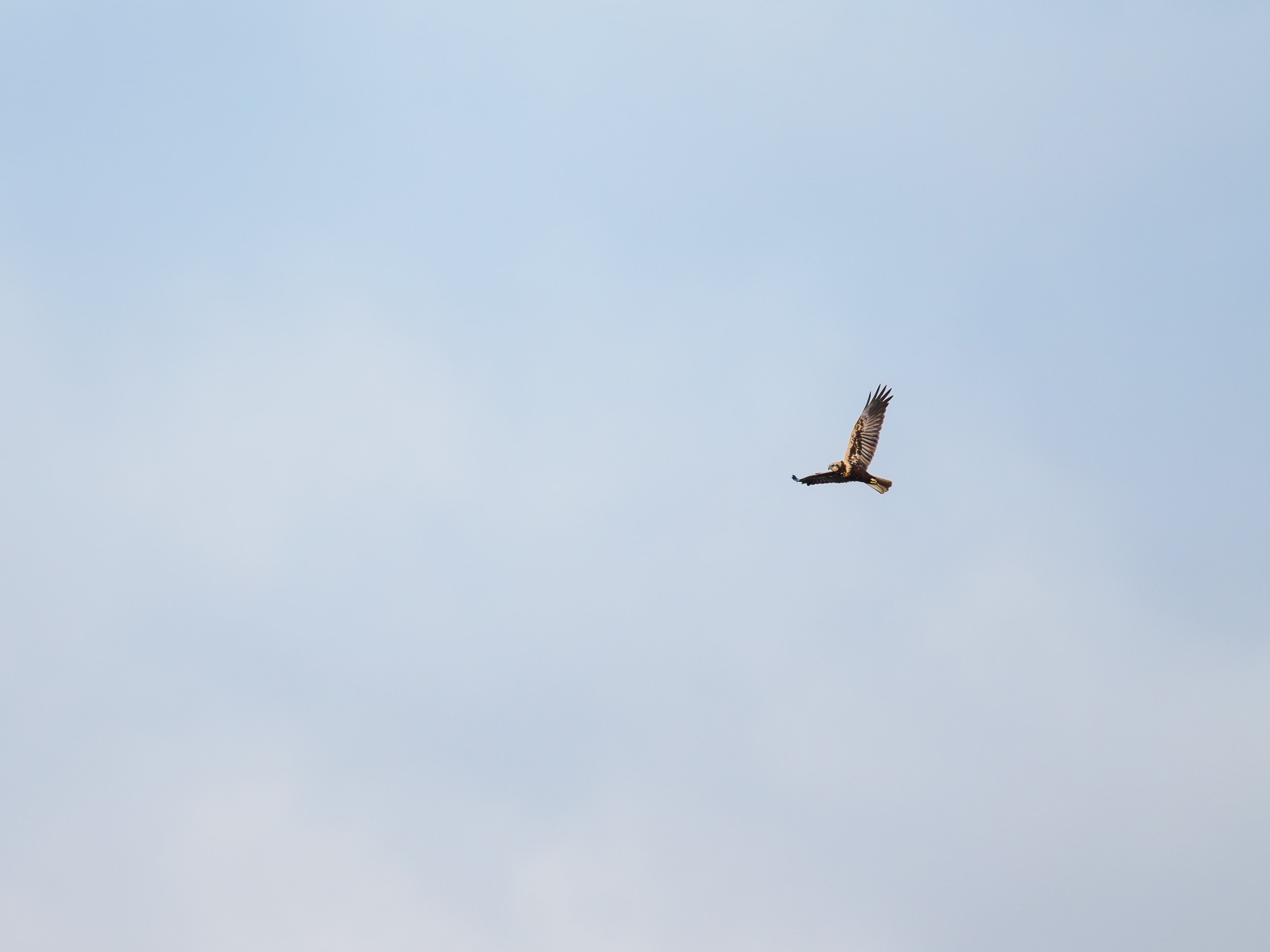
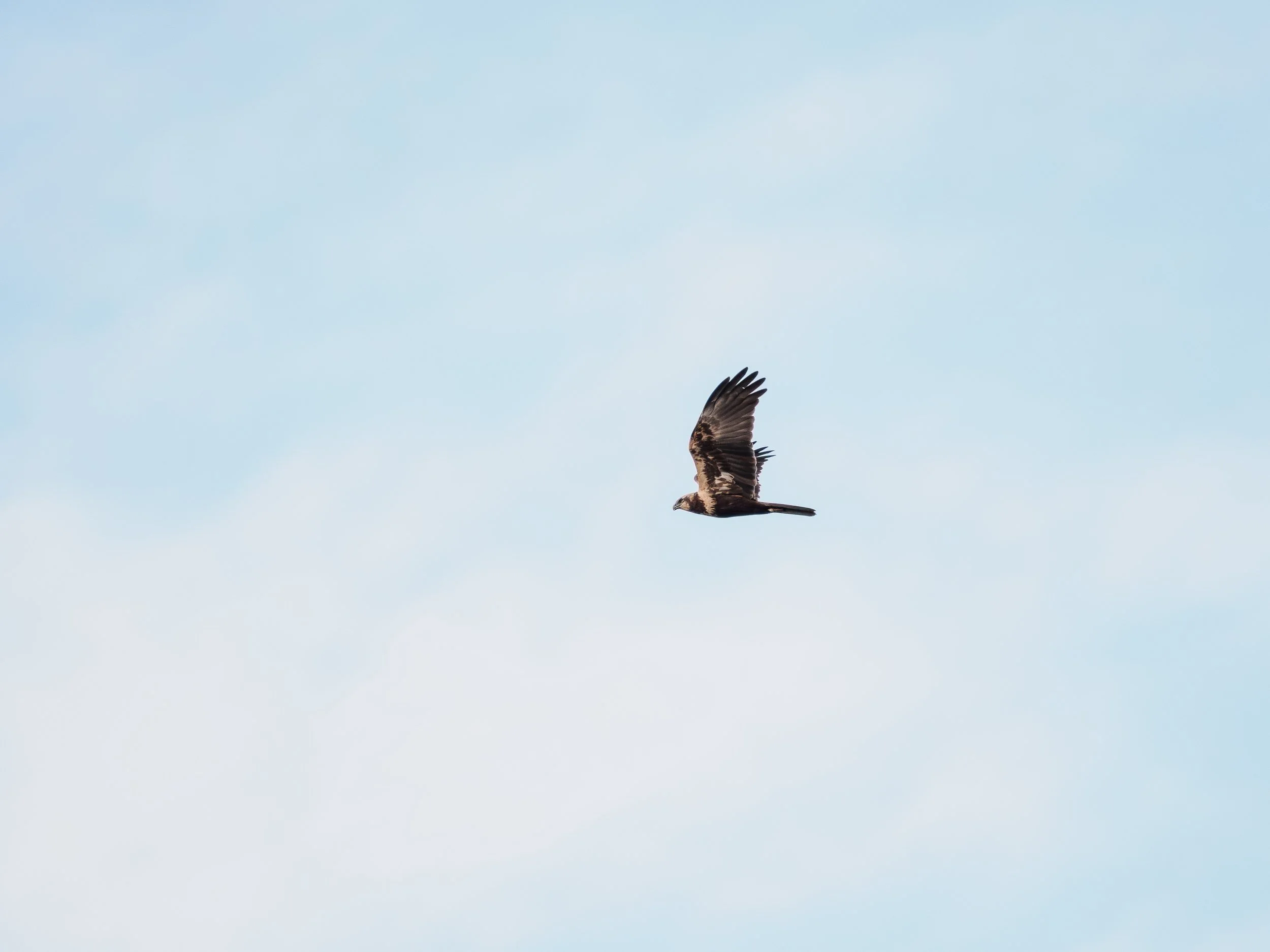
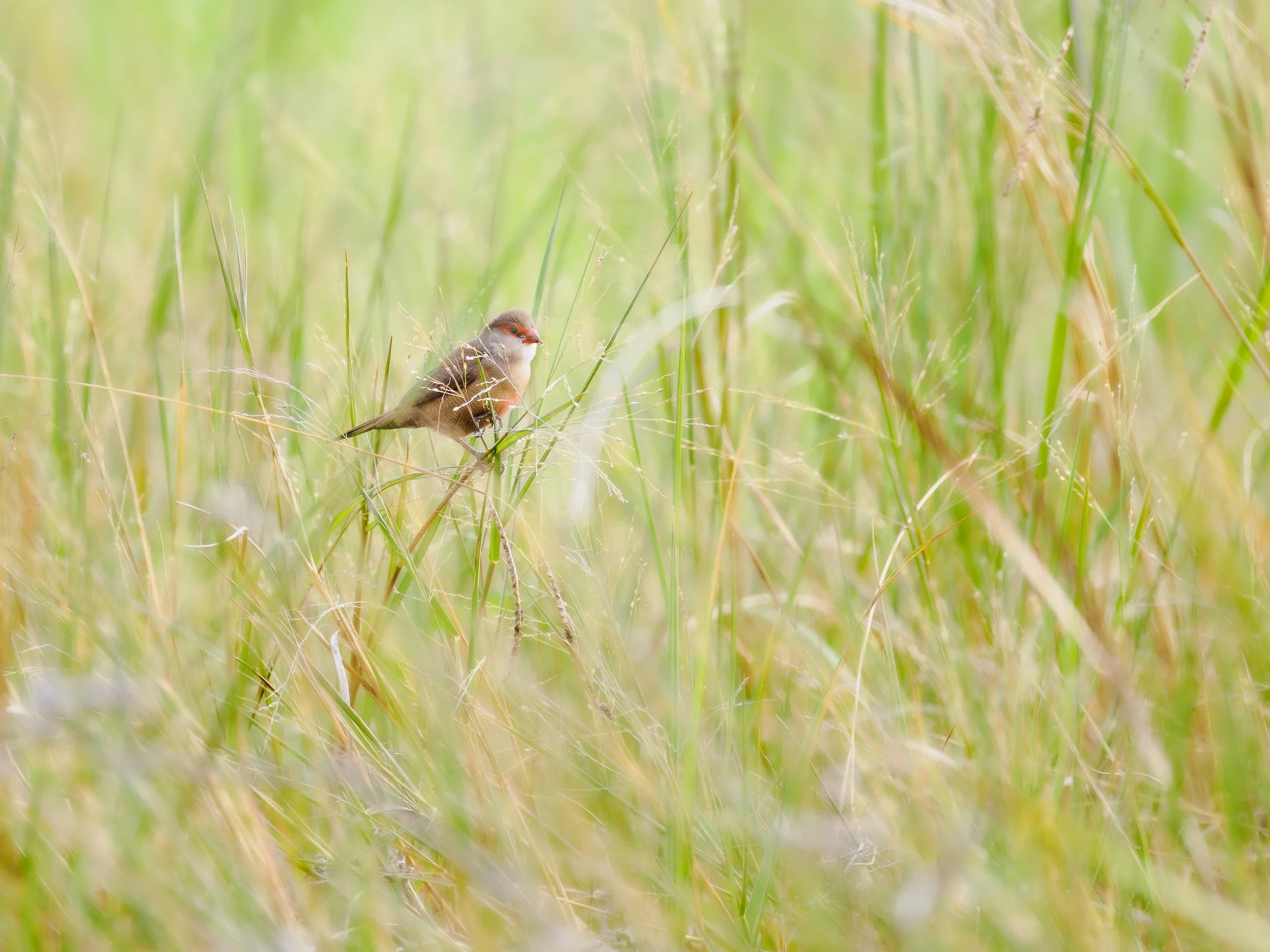
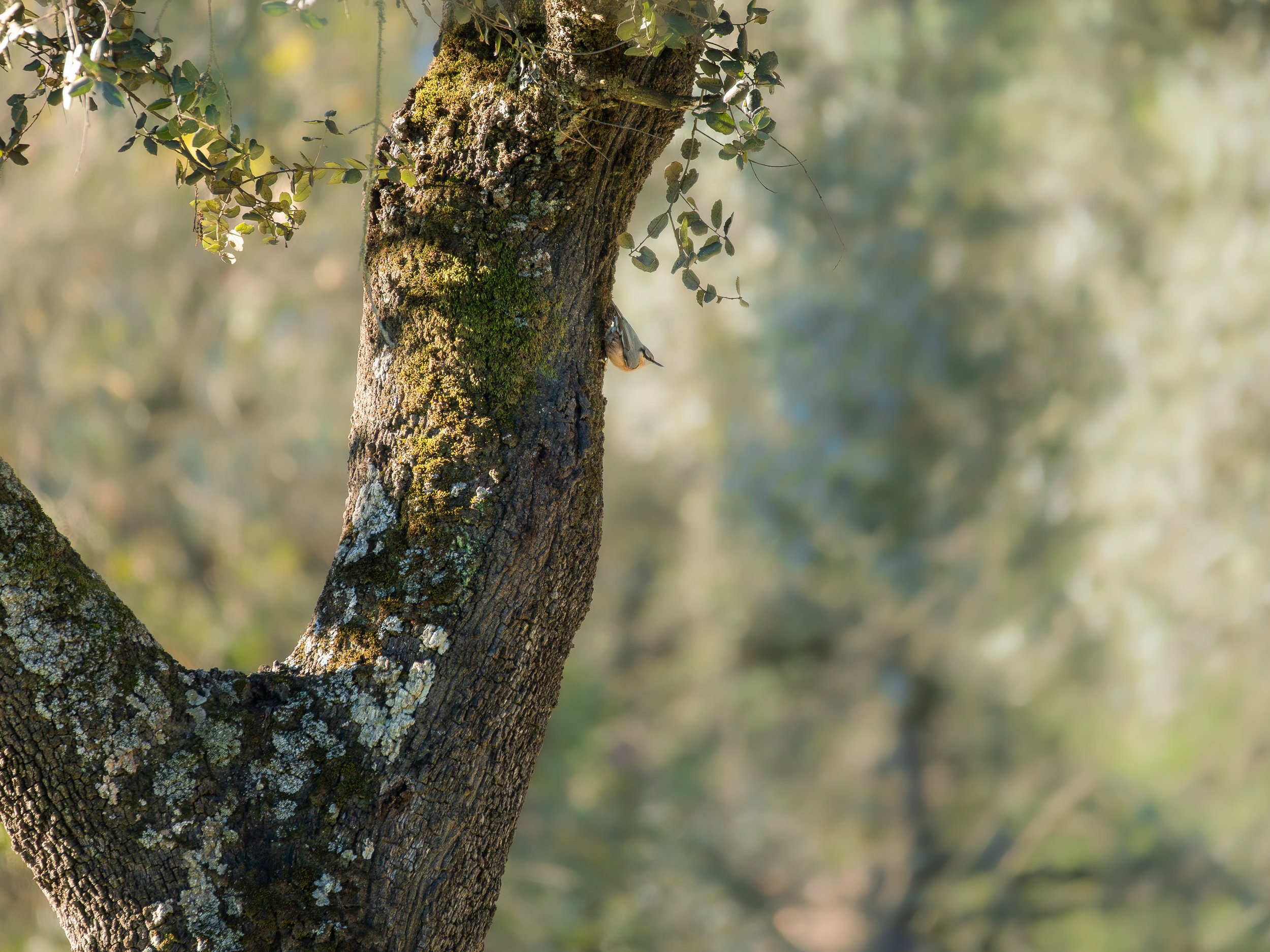
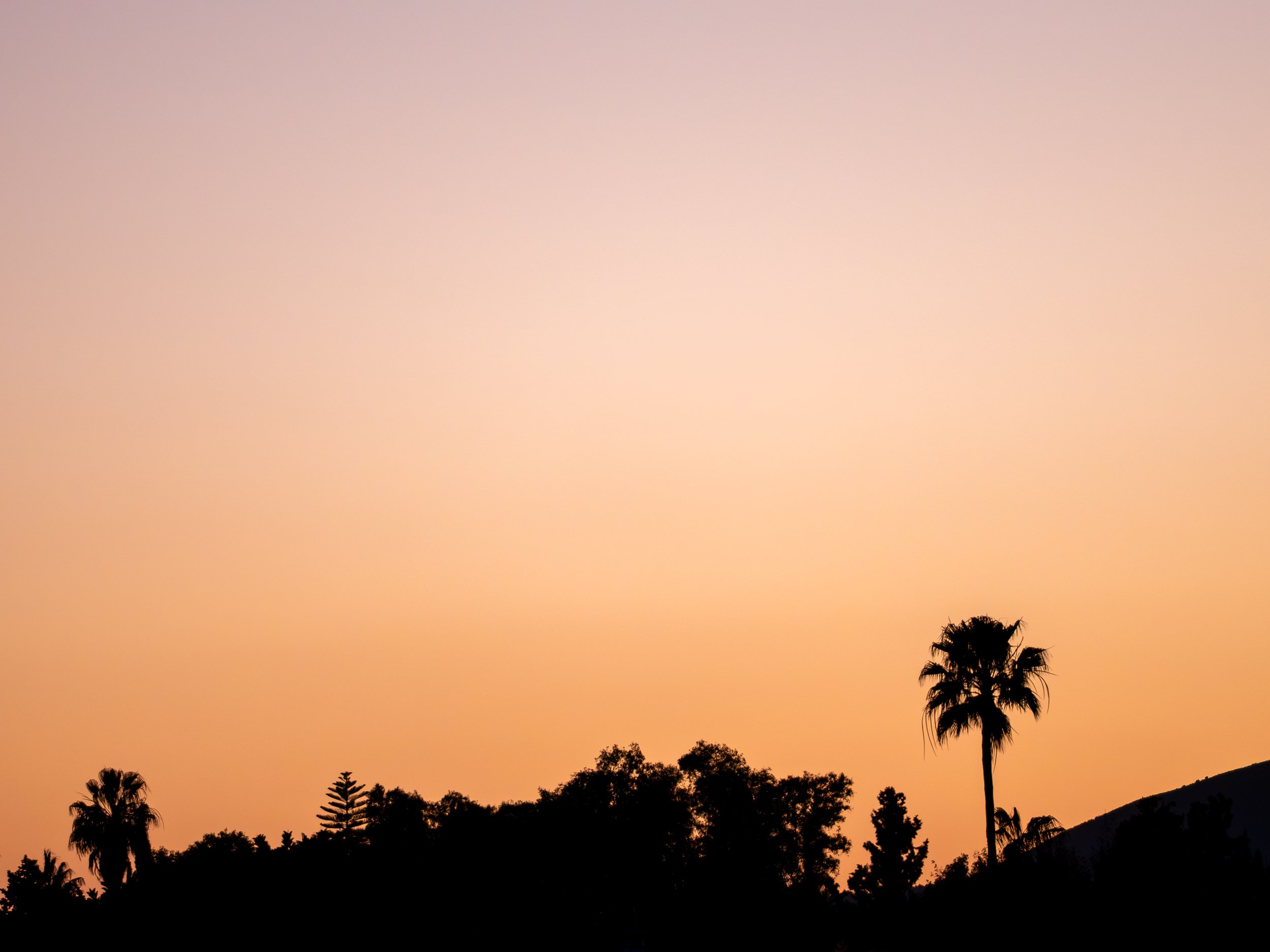
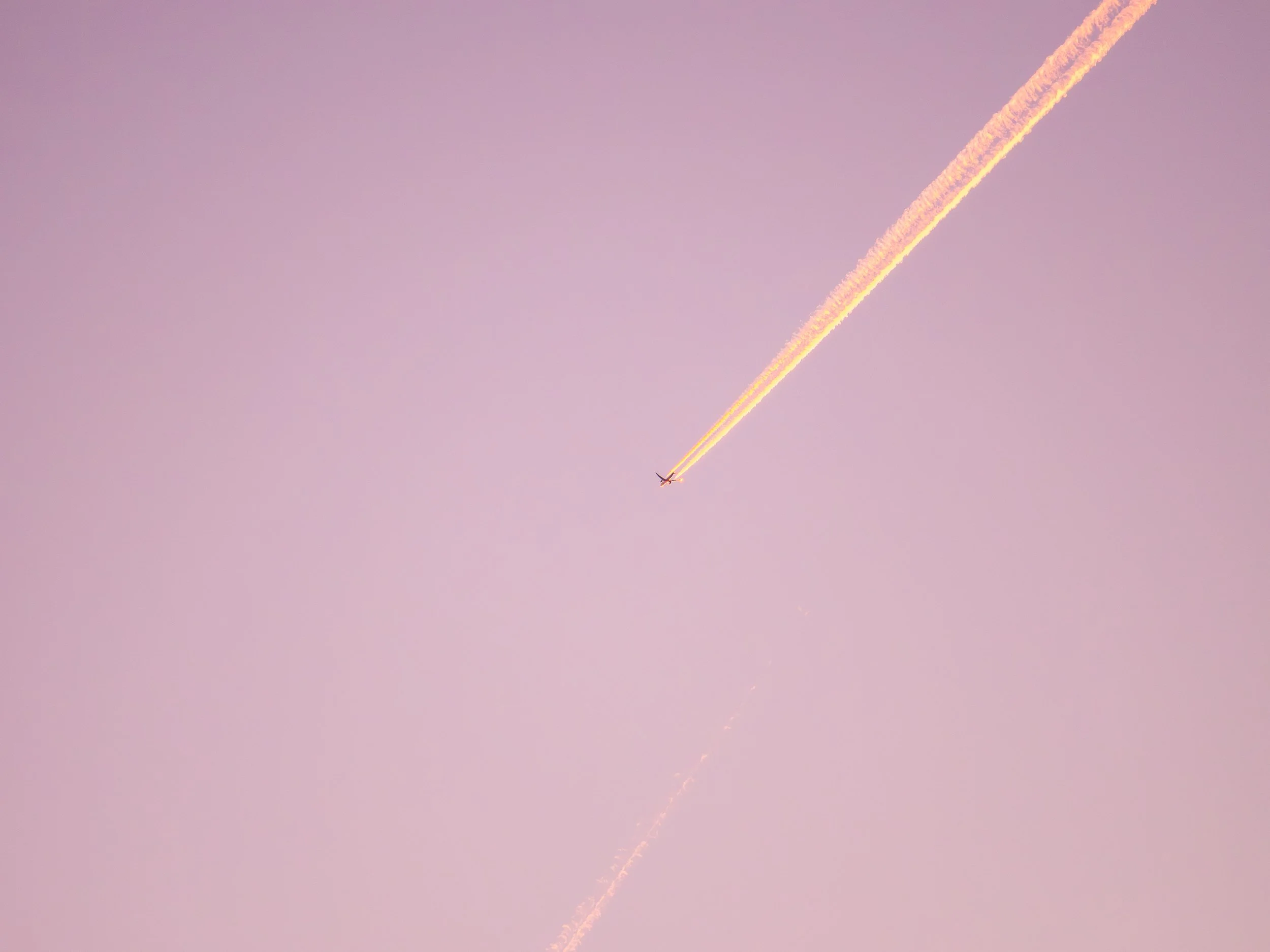
A bird, A lynx and a spider, photographing Andalusia - spain
Full screen photos below
So this one took a long time. My best procrastination project ever. I mean, I love photography, but I don't know what happened the last few months — I haven't done a whole lot, and that needs to change. However, there are some projects in the making, but before we get to those, let's talk about Andalusia and how I never thought I would fall in love with that part of Spain. Long story short, it was epically beautiful and inspiring. Which makes it even more strange that I haven't done more photography after that experience.
Inception
Late last year I was wondering, as my trip to South Africa got cancelled, what to do — go to the mountains (which was already too late into fall anyway) or skip it altogether. By chance — well, not really, I enjoy some YouTube photographers — I watched Espen Helland's video on photographing Andalusia and the call for one vacant spot. So I jumped on it, and two weeks later I was landing in Malaga and starting my Andalusia journey.
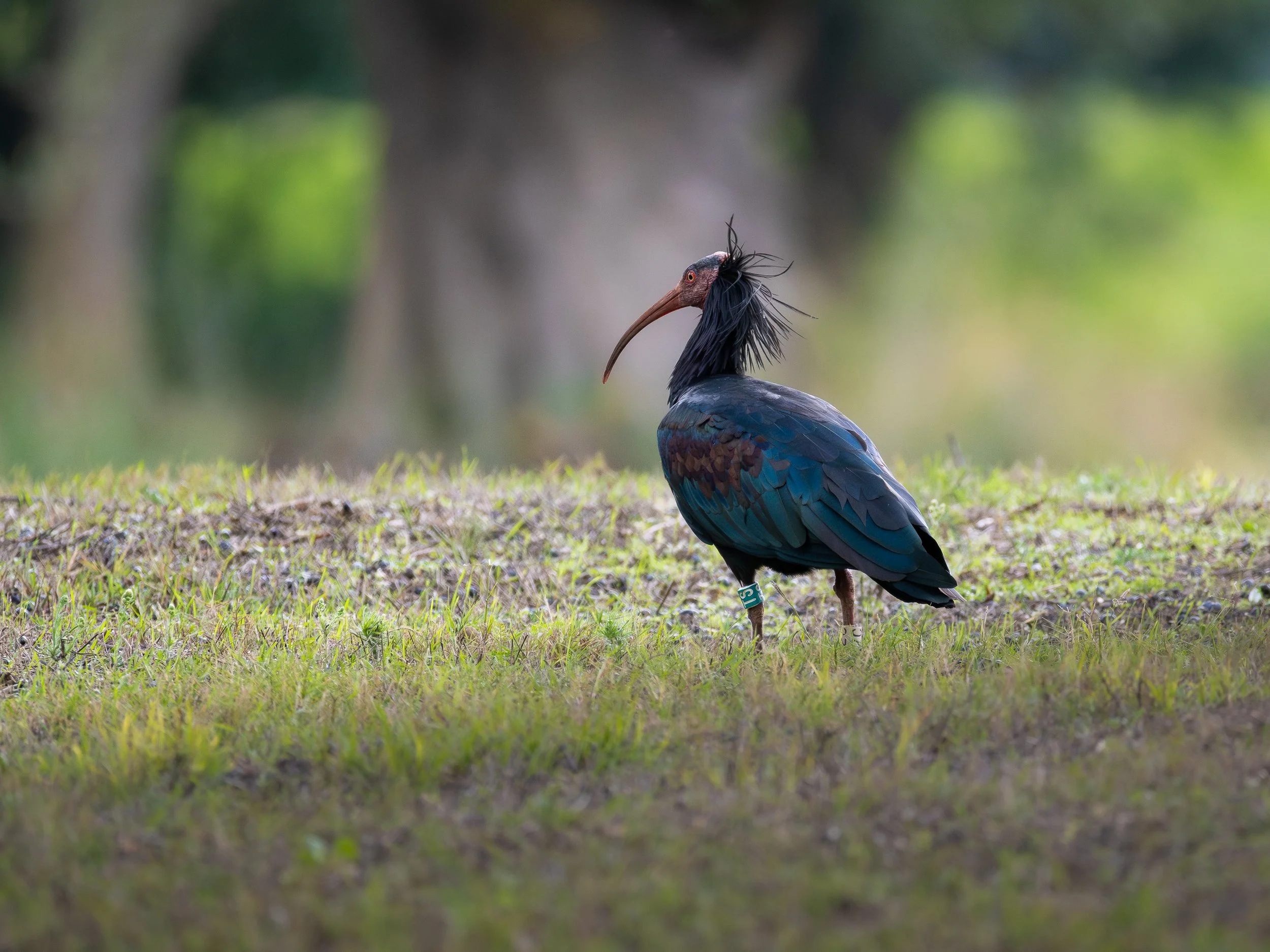
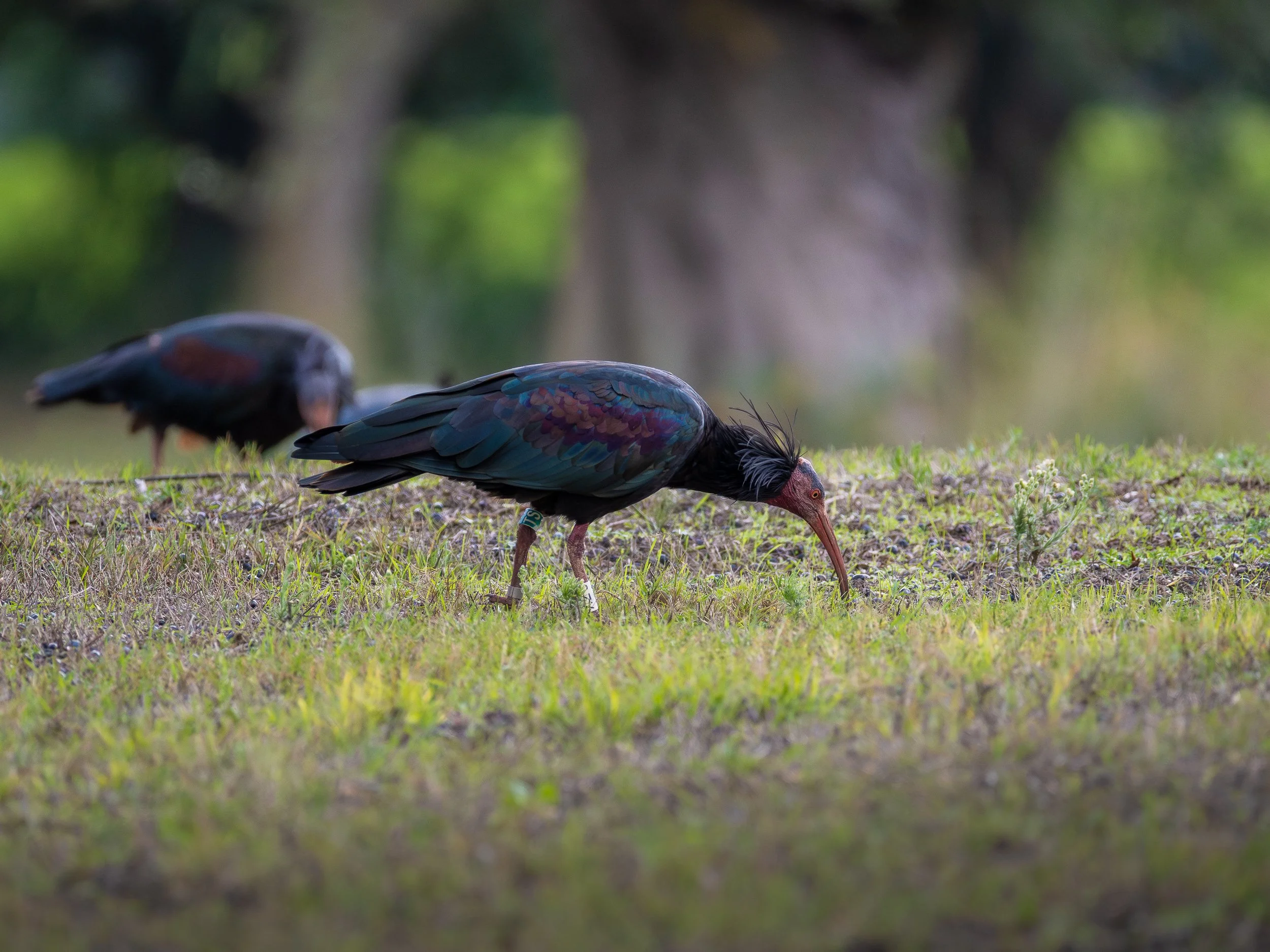
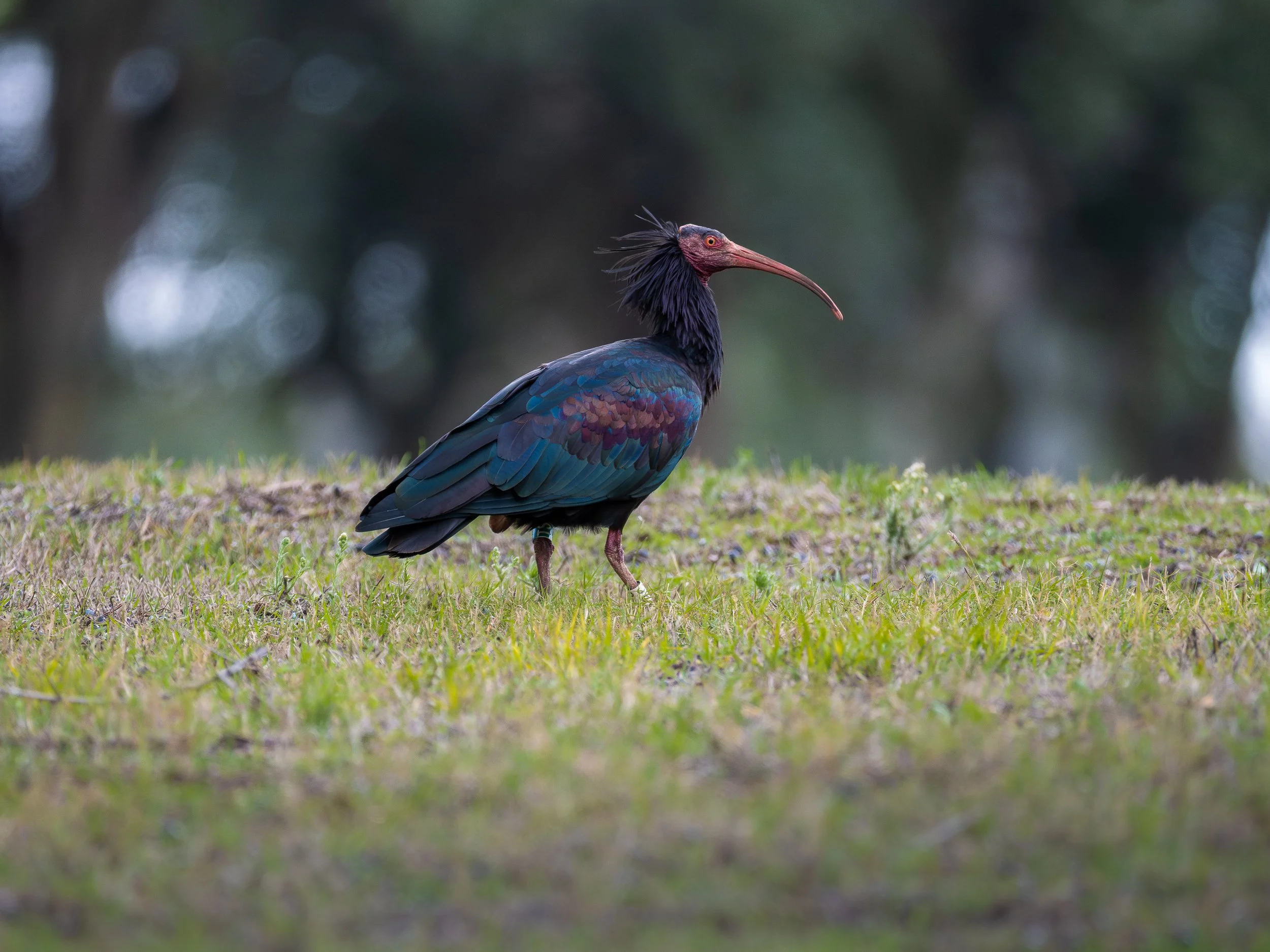
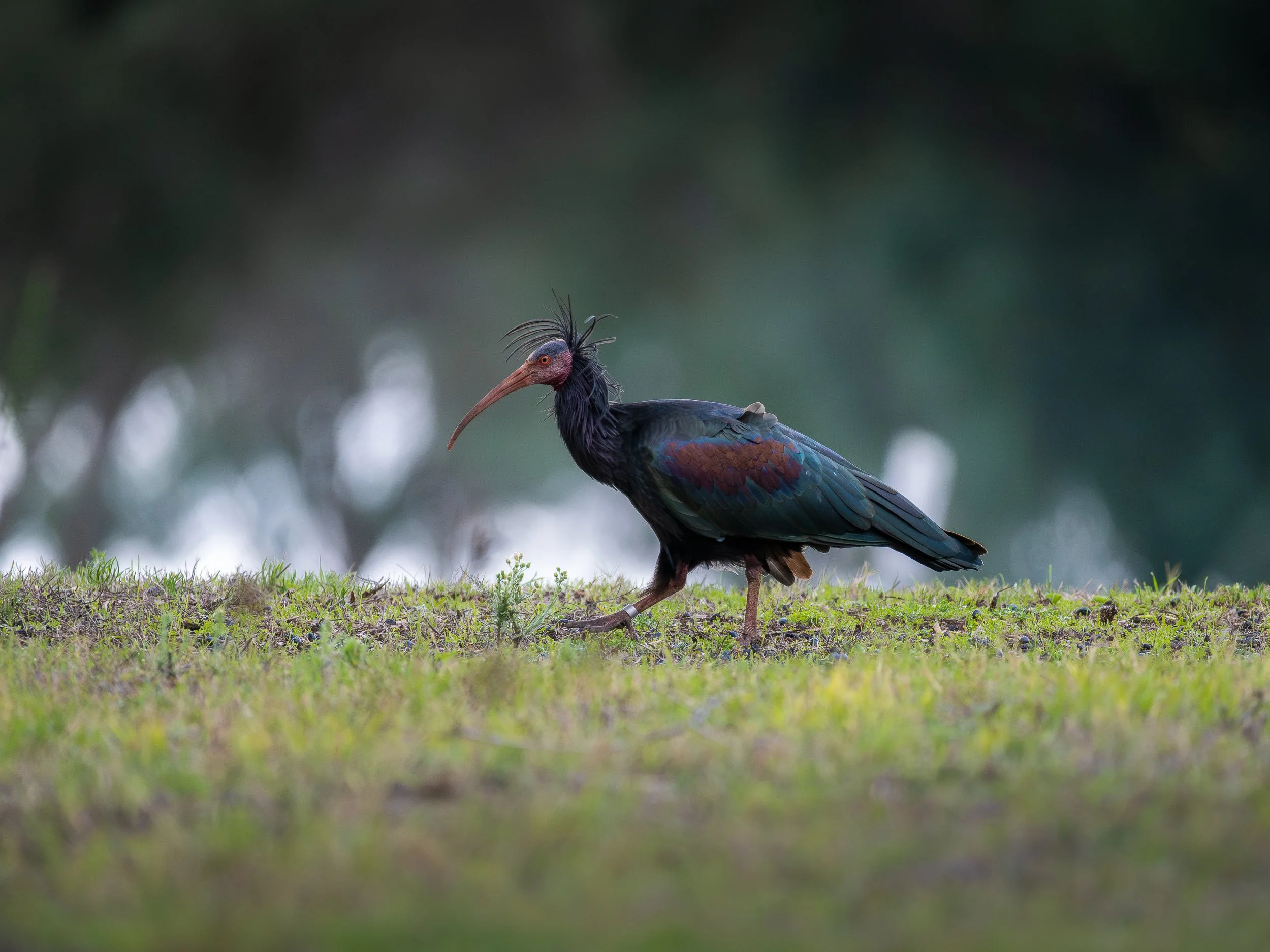
This trip was organised by Espen and Alvaro of Wild Andalusia, and both were great in setting the vibe — Alvaro as a guide getting us to wonderful places and even getting us to a golf course to photograph the endangered Bald Ibis. I can't speak highly enough about both gentlemen. It was a joy to be part of this group and this experience.
The trip can be divided into four parts, not specifically chronologically or from a travel perspective, but just the places that we visited. In some places we stayed longer, in others just a day or part of a day. In any case, here goes my attempt.
Ronda
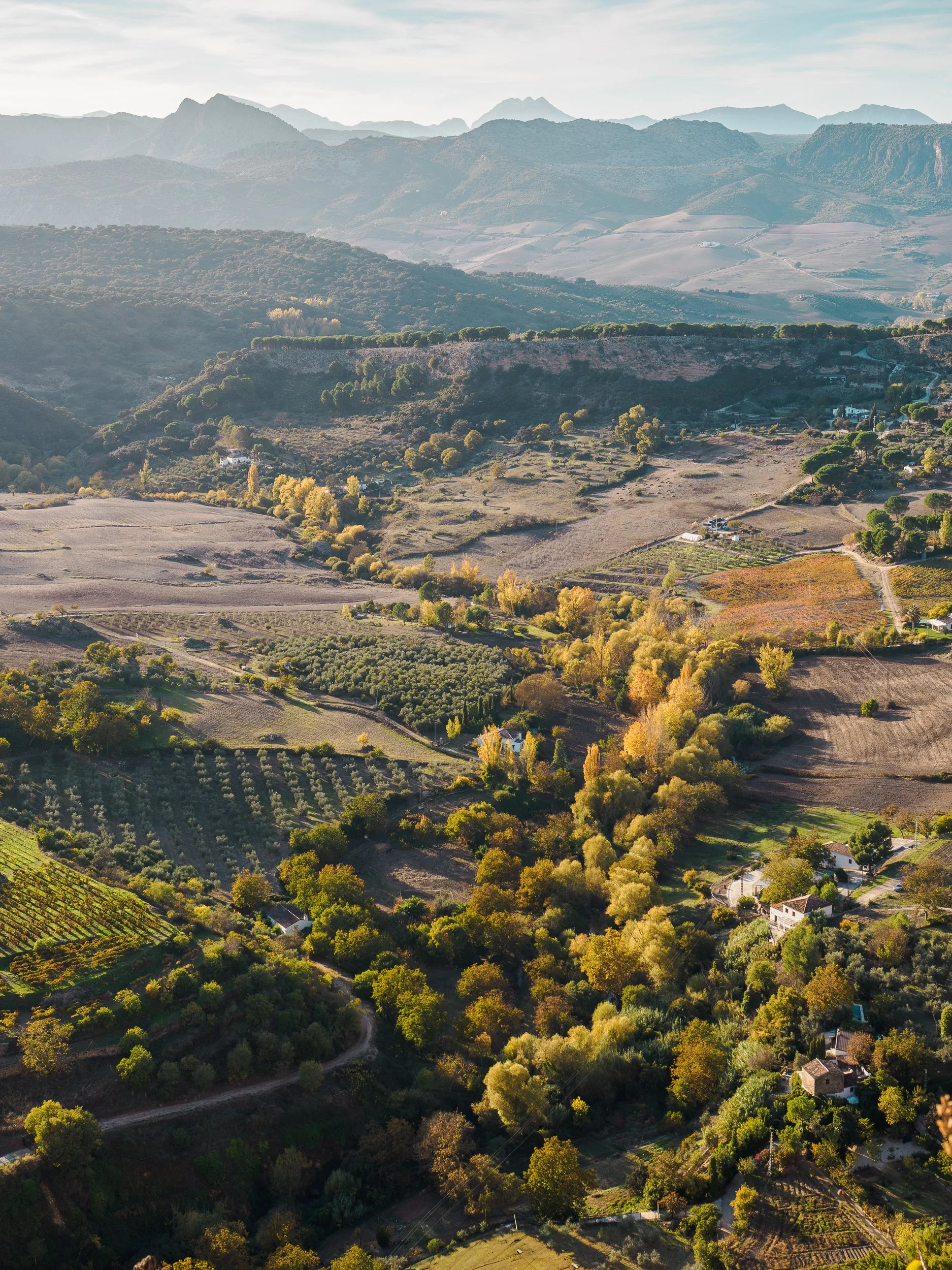
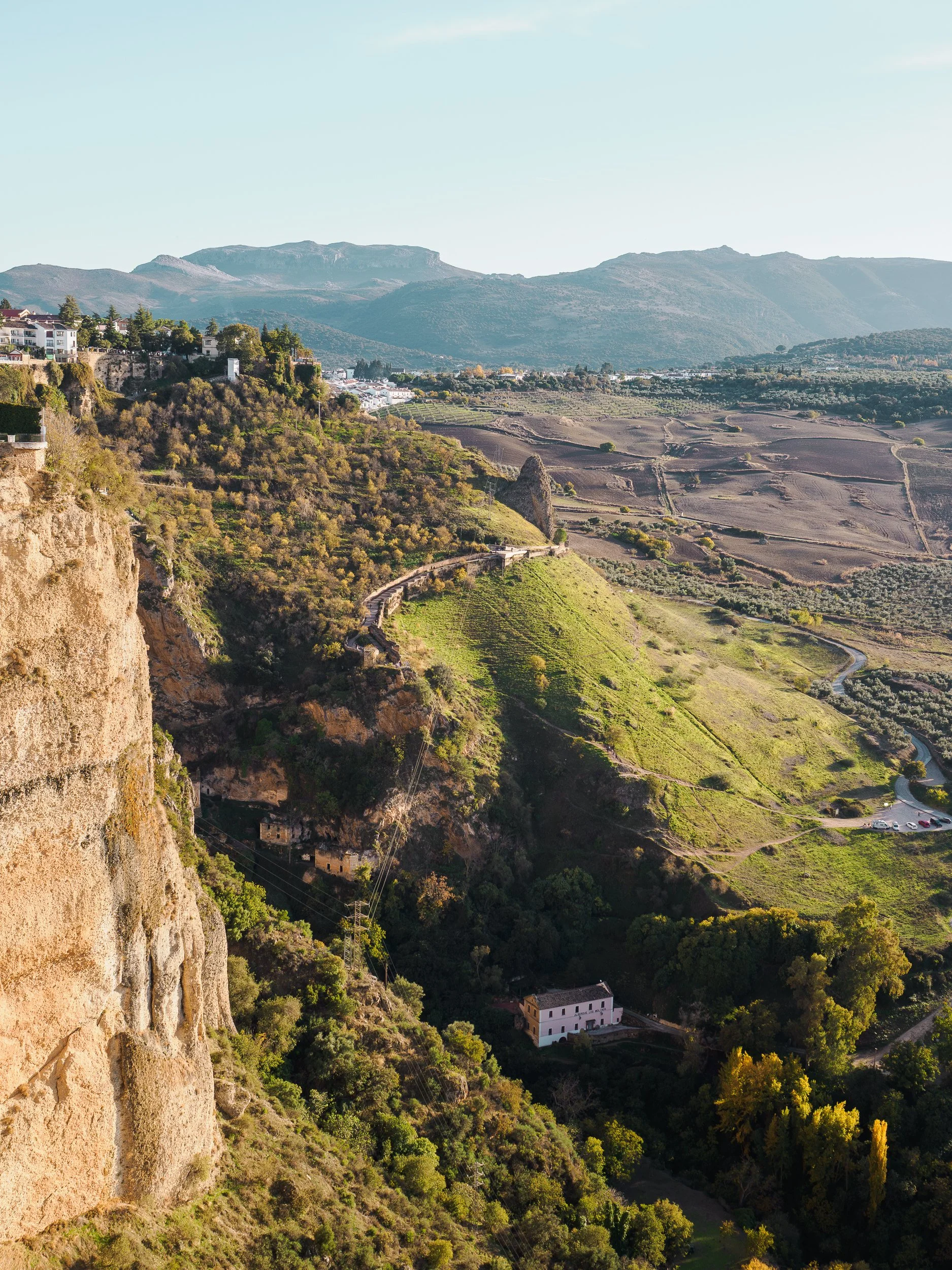
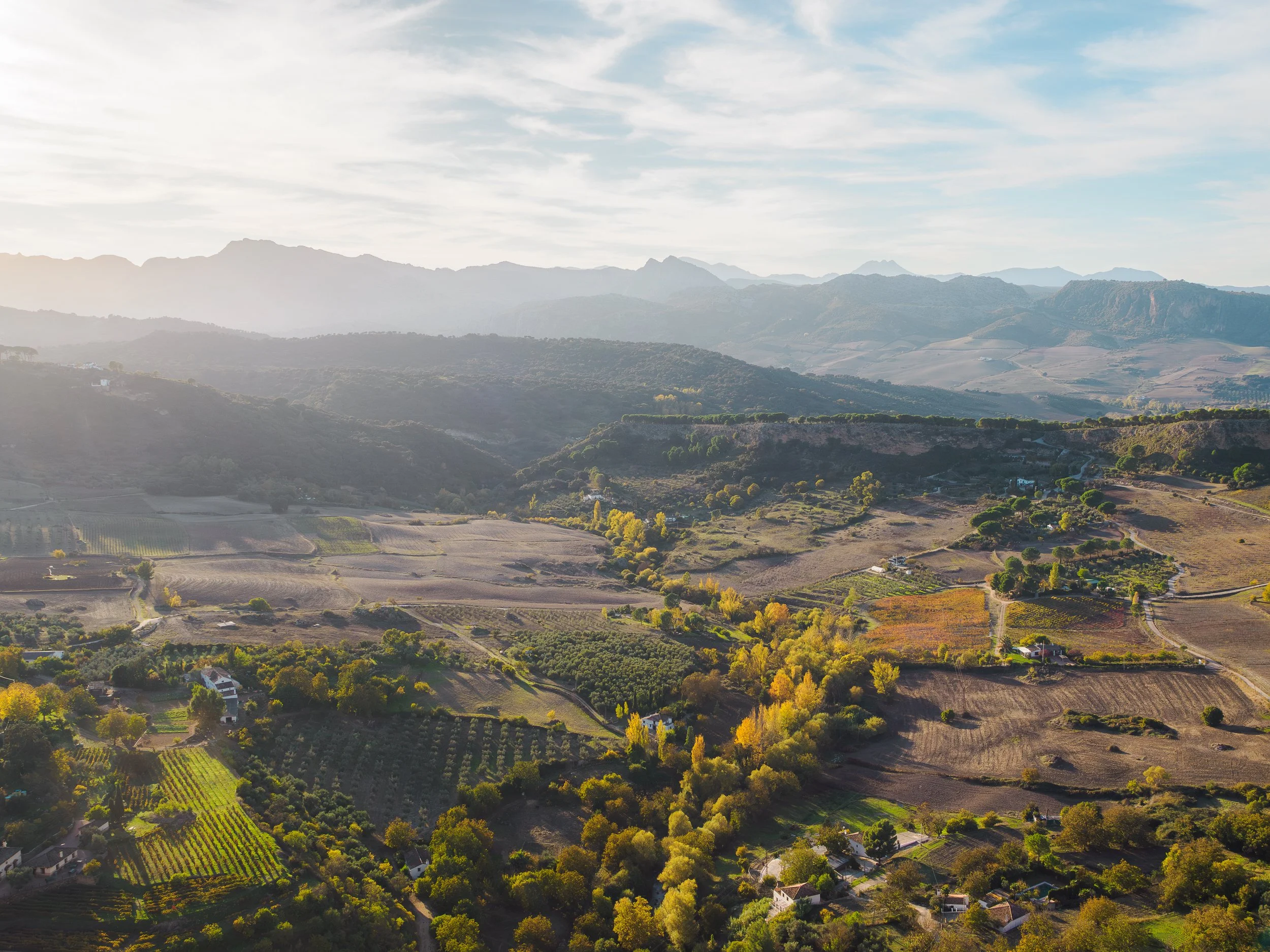
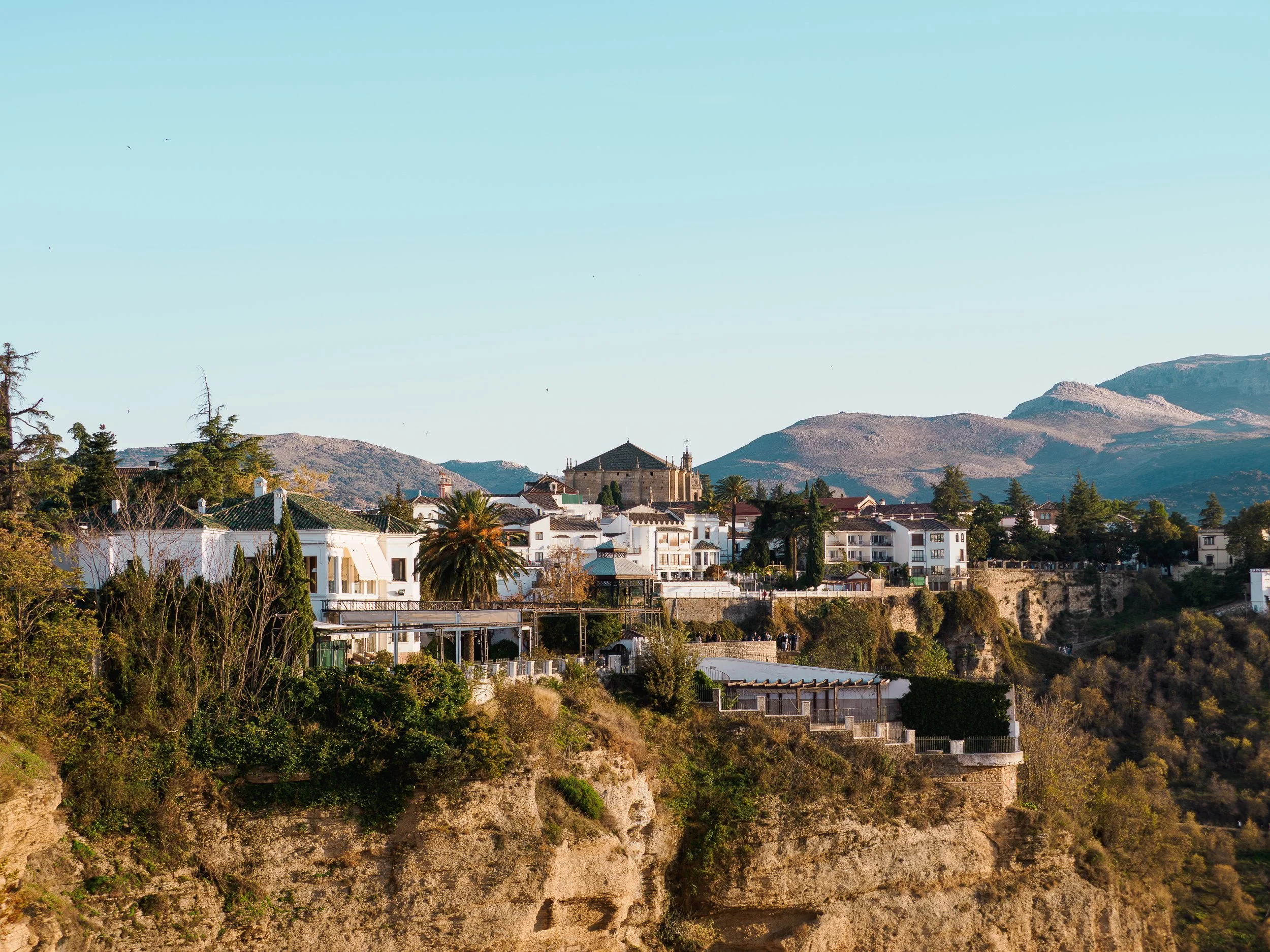
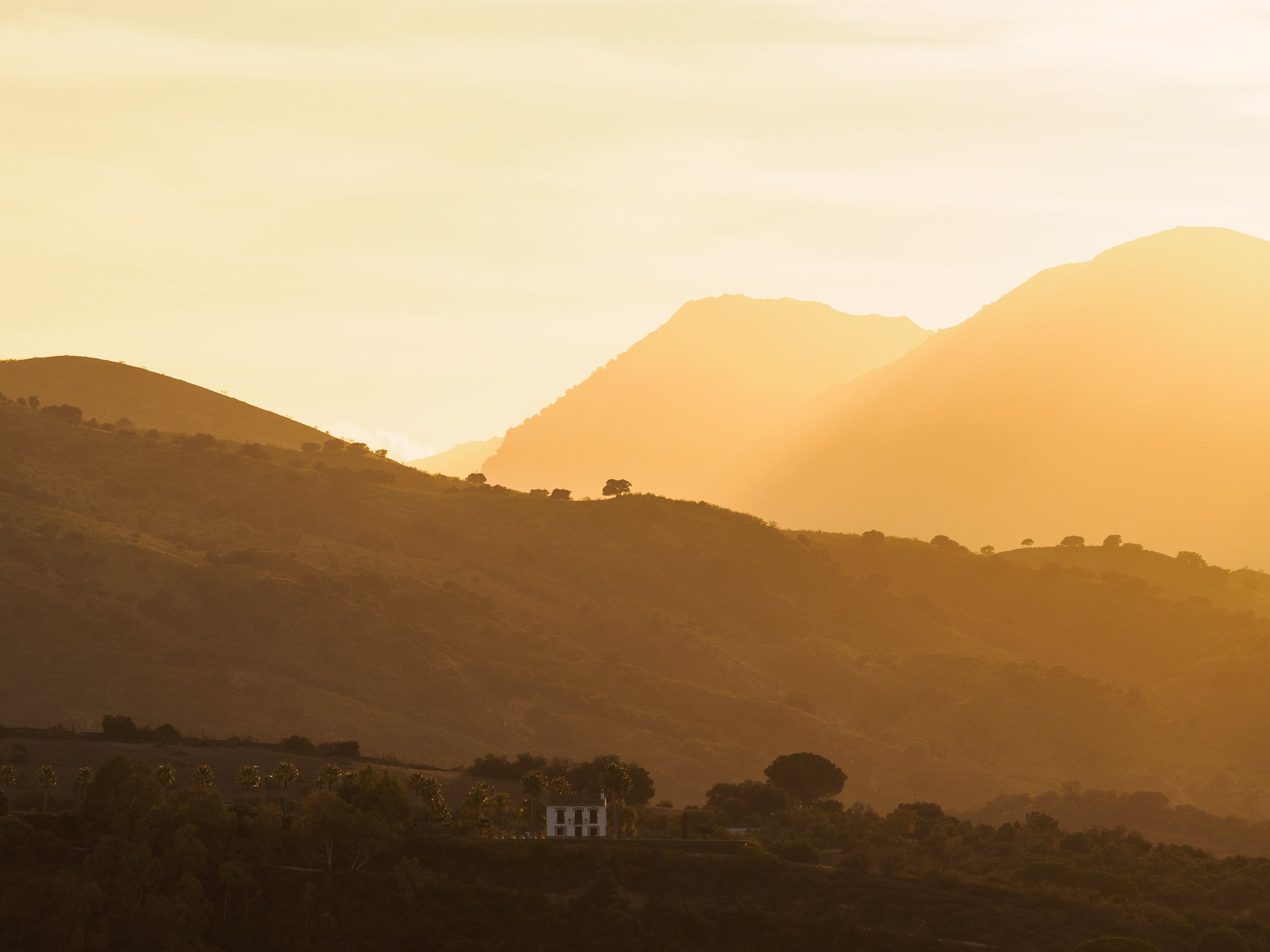
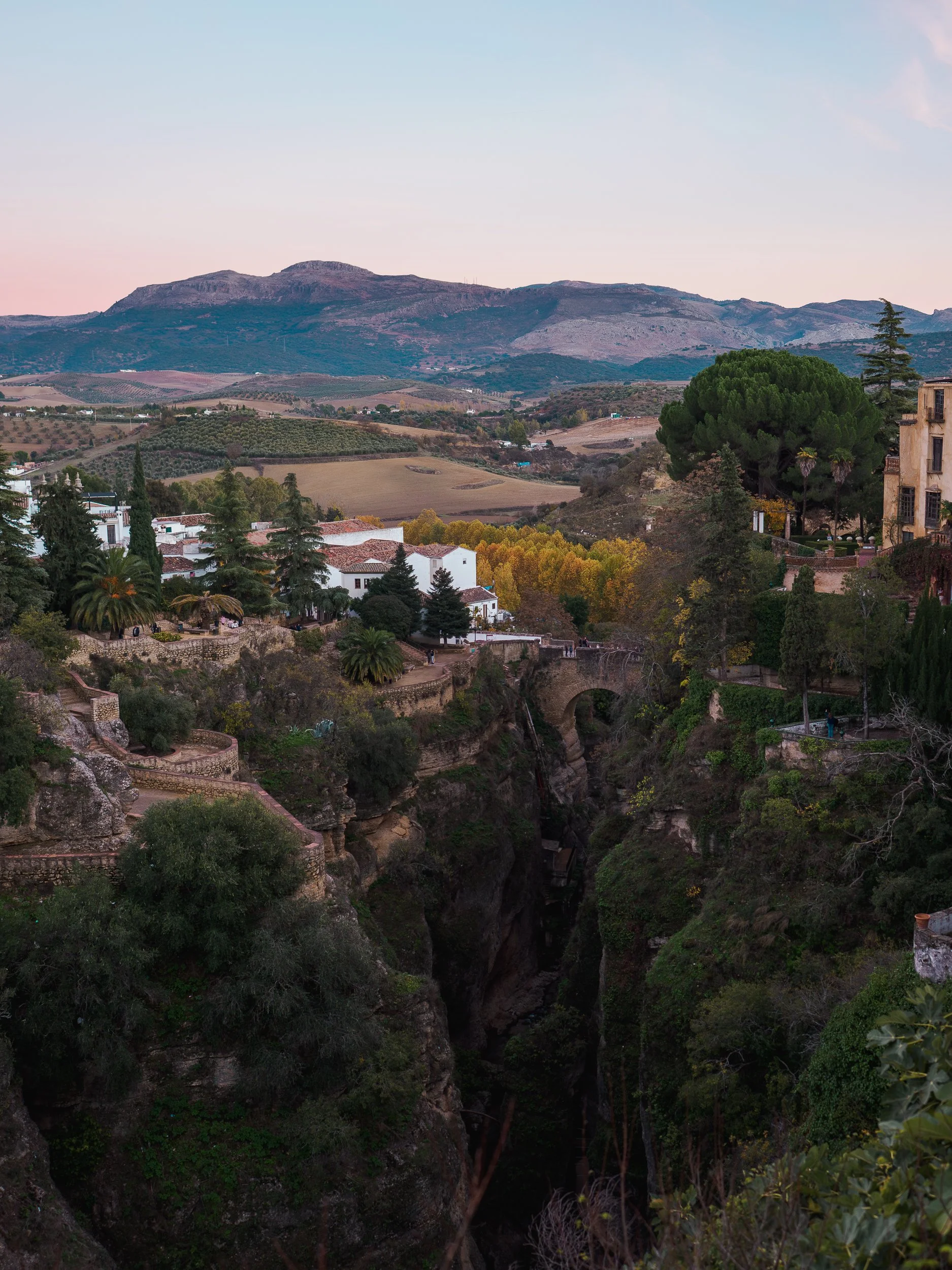
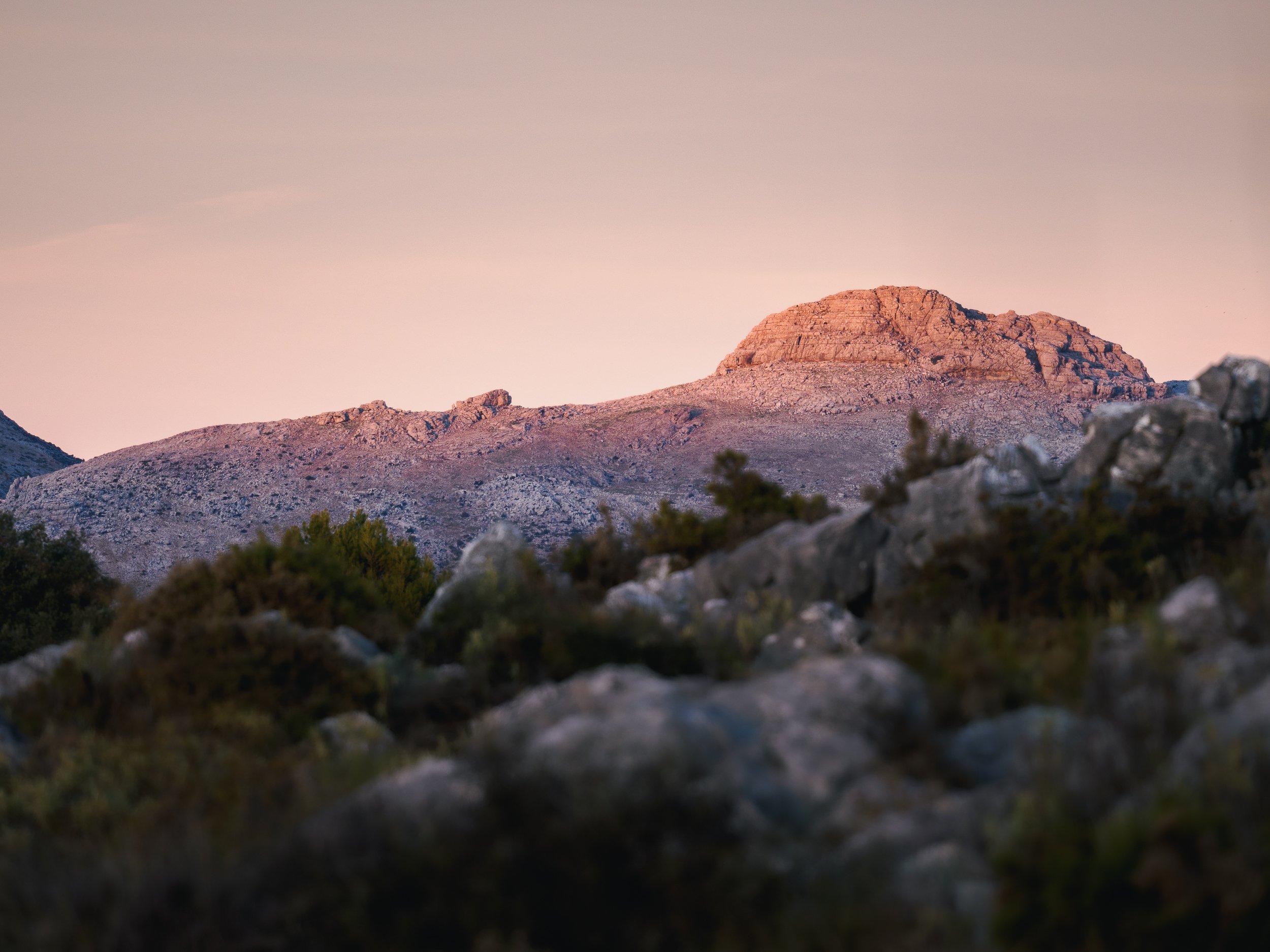
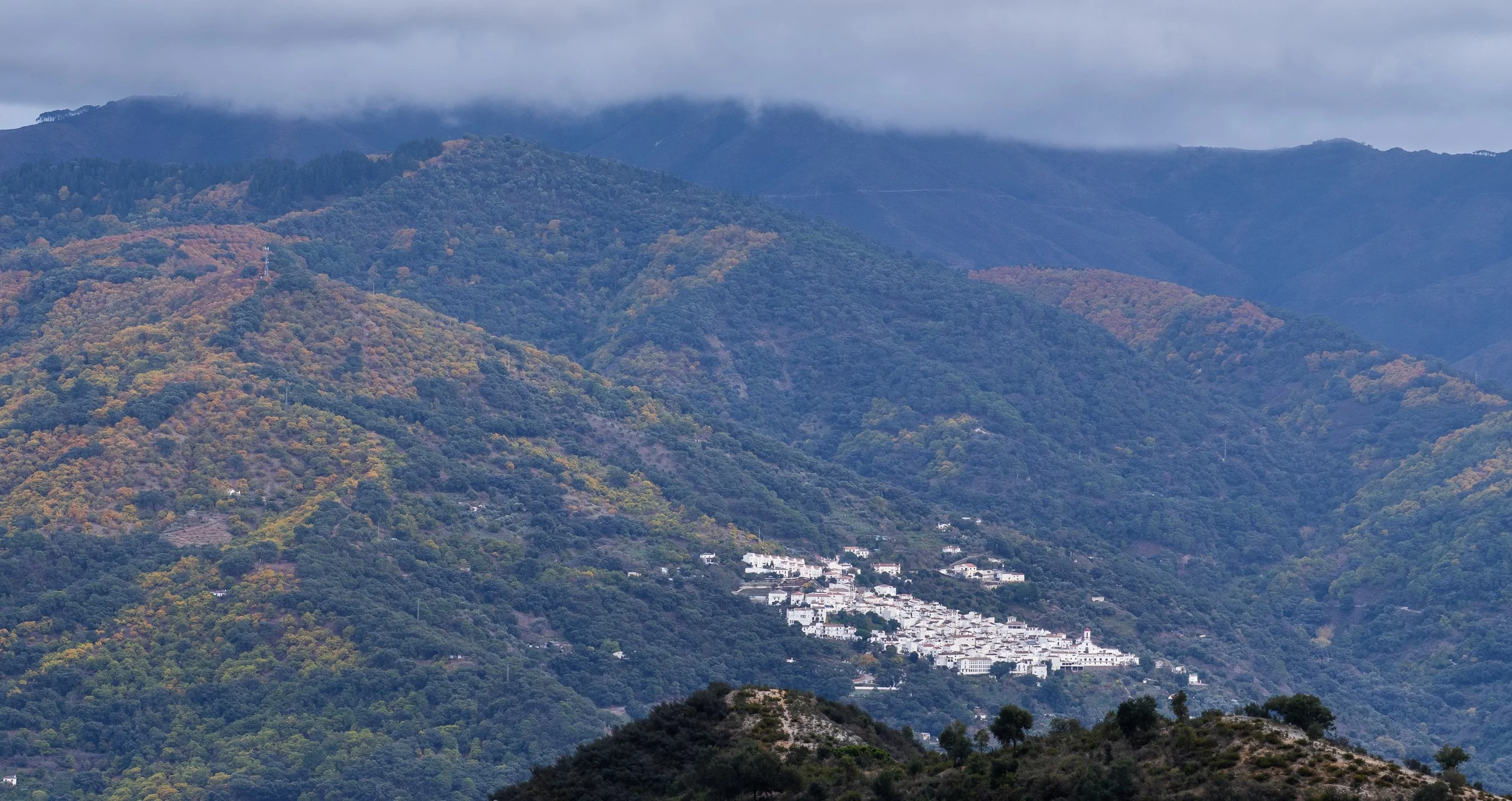
The trip started when we landed in Malaga, but it really began when we drove to Ronda — our first stay for the week, and boy was I in for a treat. I'd never heard of Ronda before, but it's a beautiful city surrounded by hills and mountains further away, with patches of forest, rocky hills, and rivers. The Ronda area is really diverse, and that's what surprised me most about Andalusia — how versatile and beautiful it is.
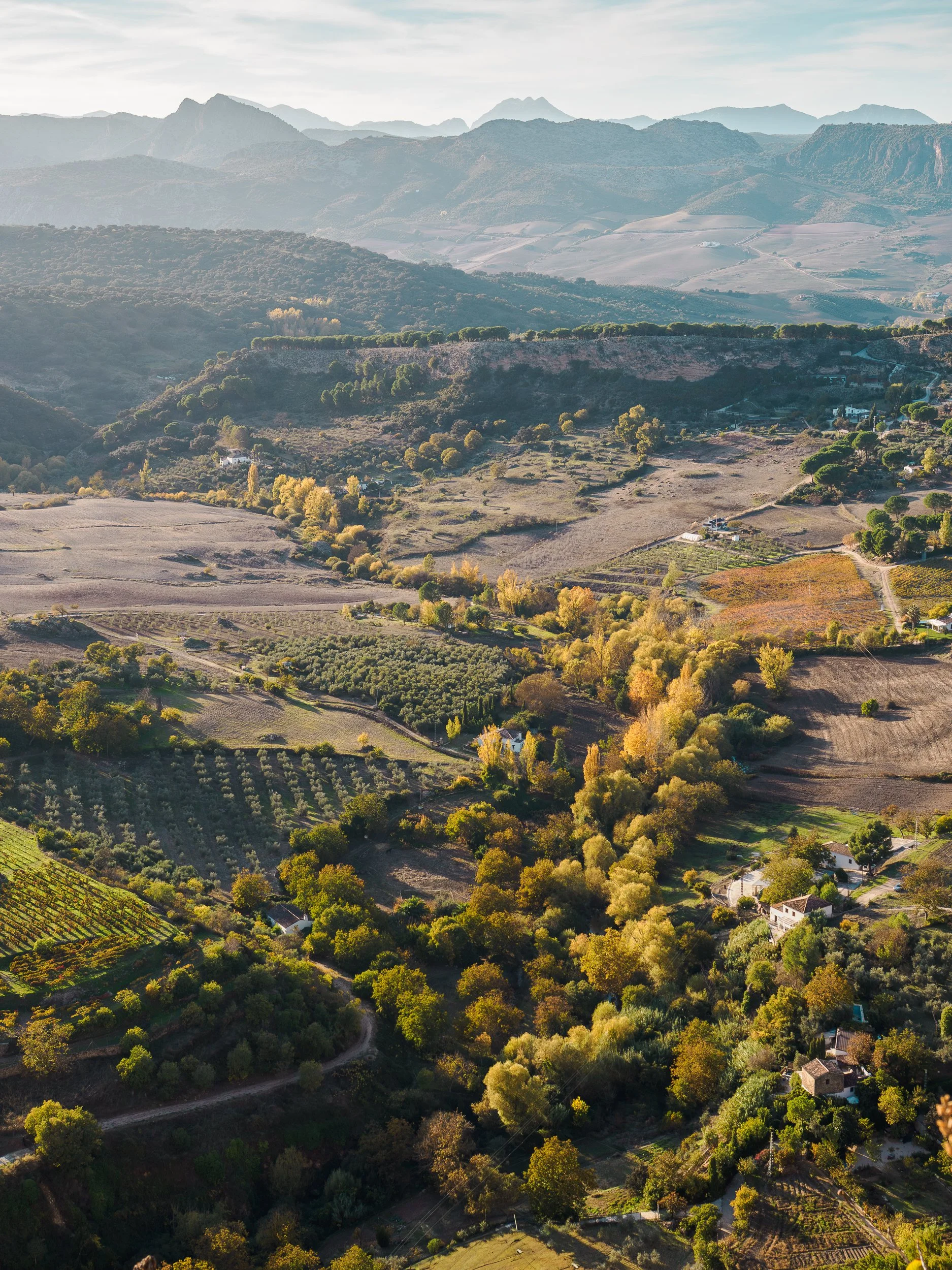
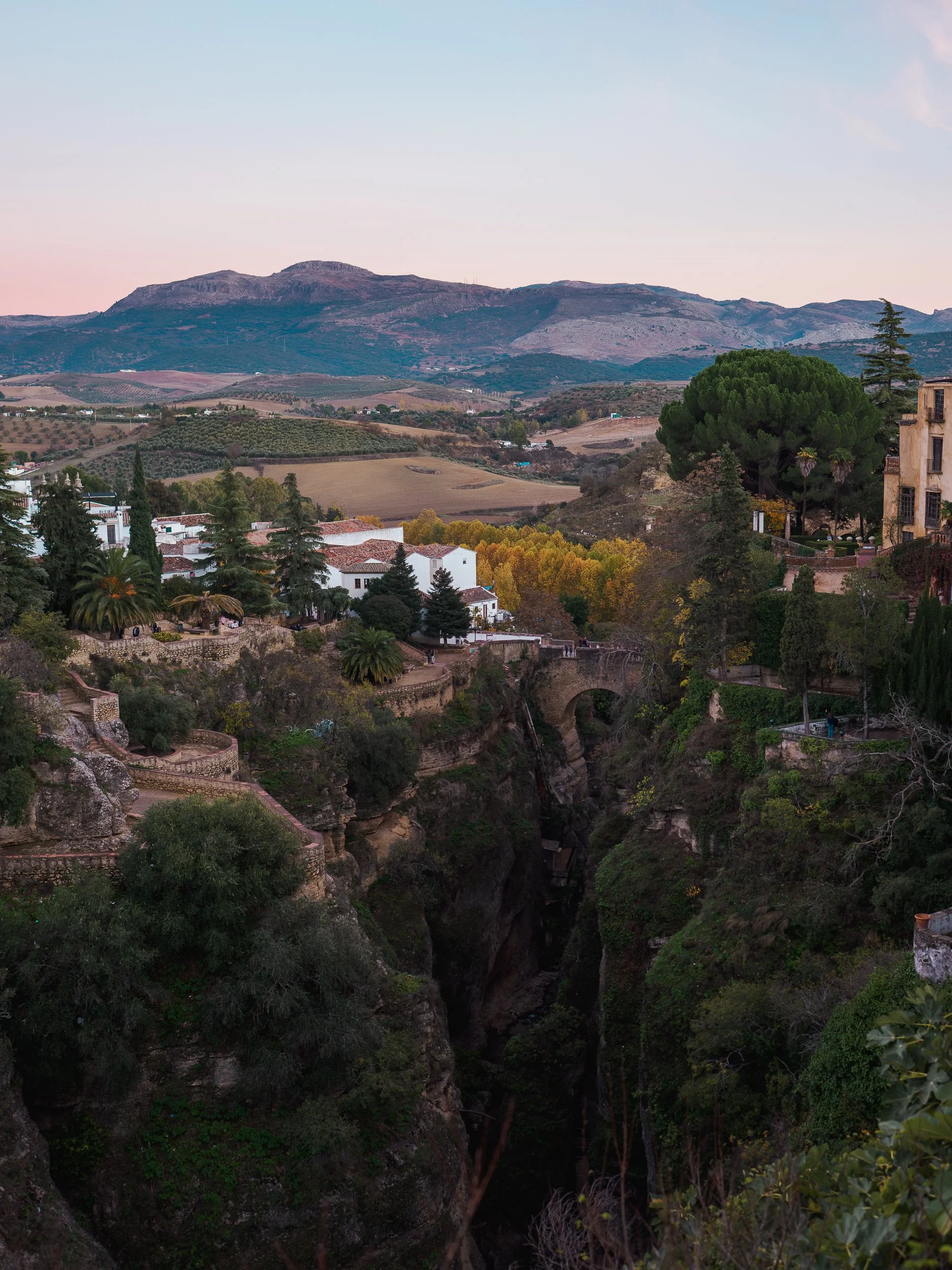
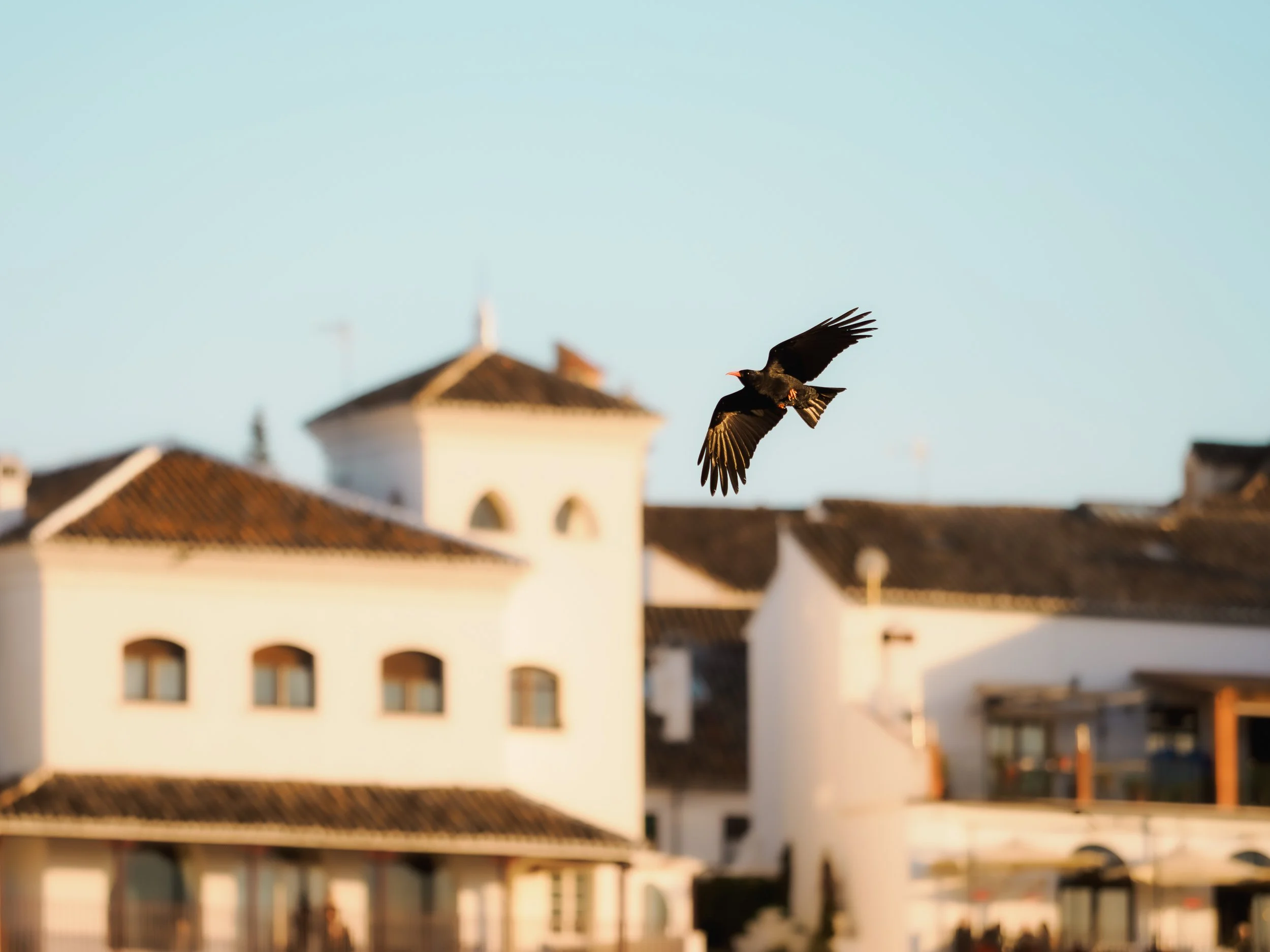
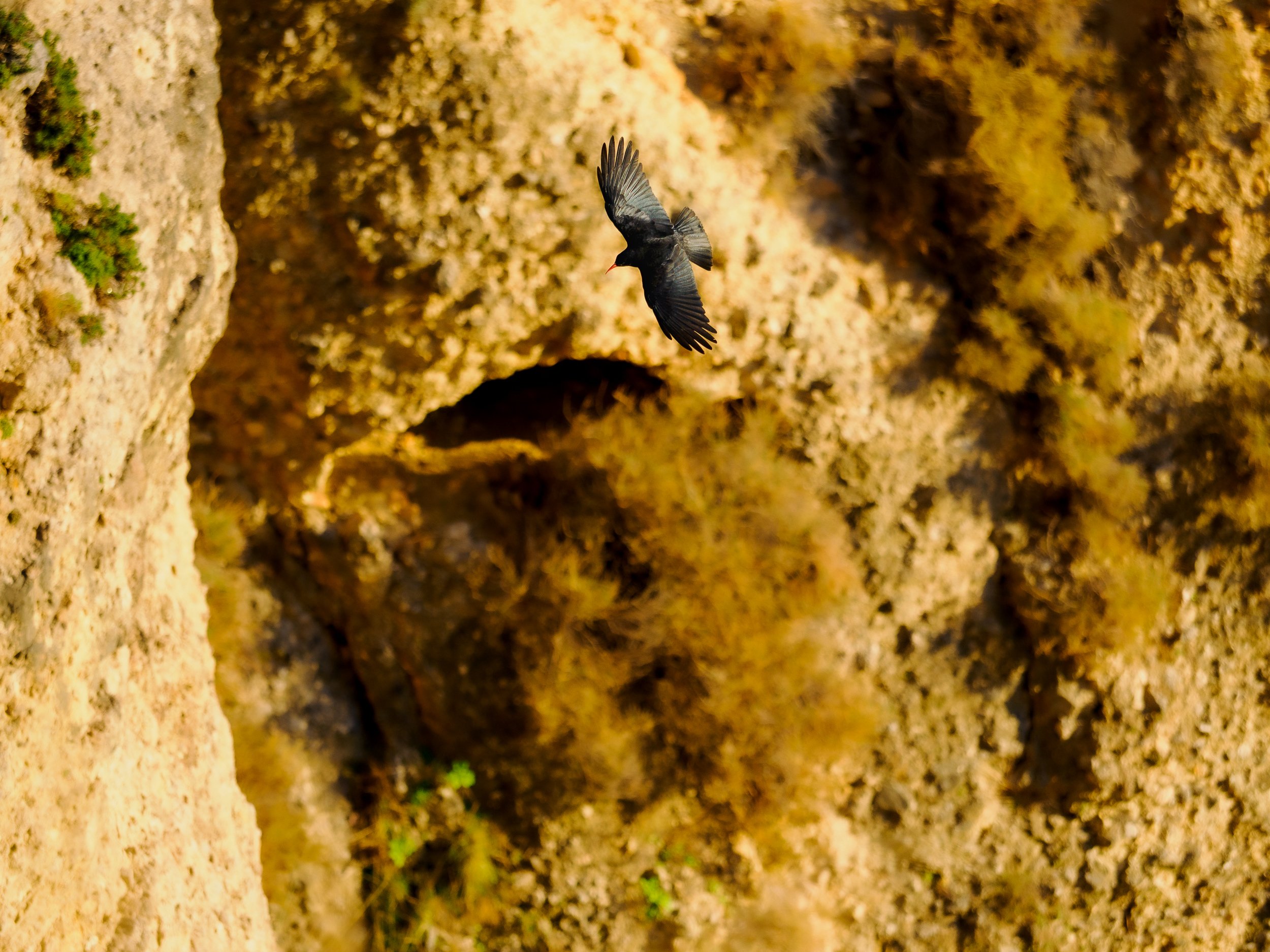
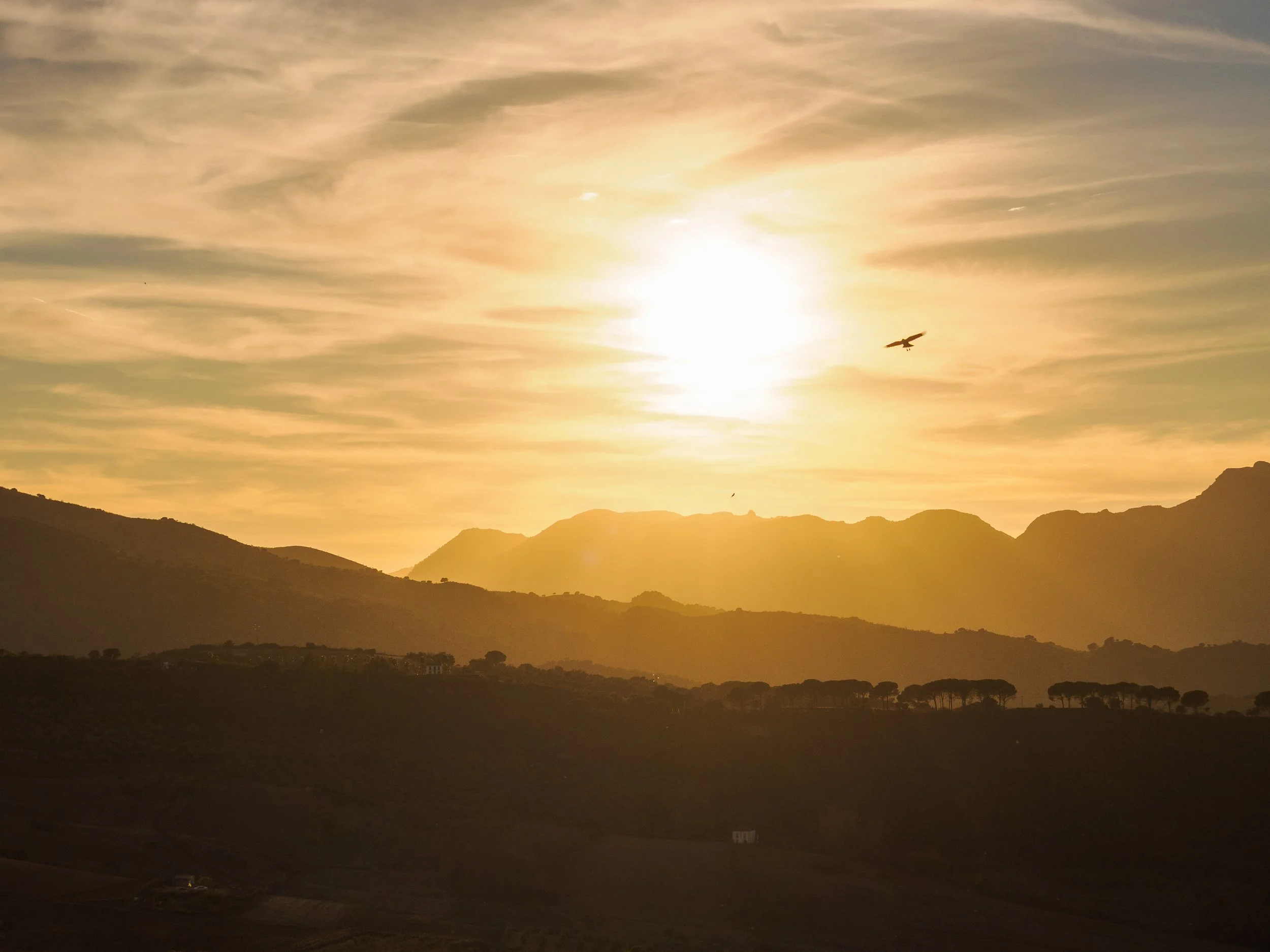
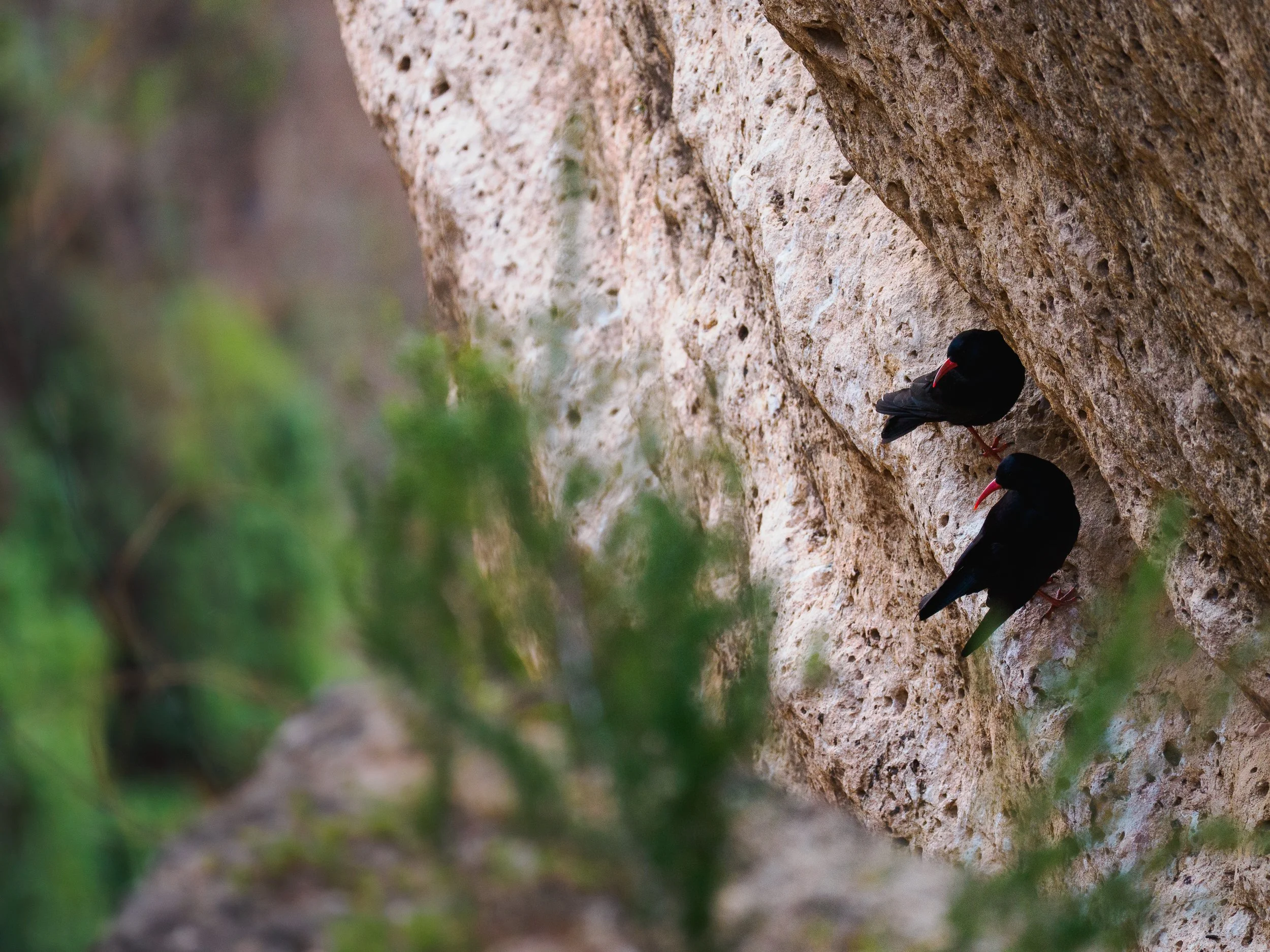
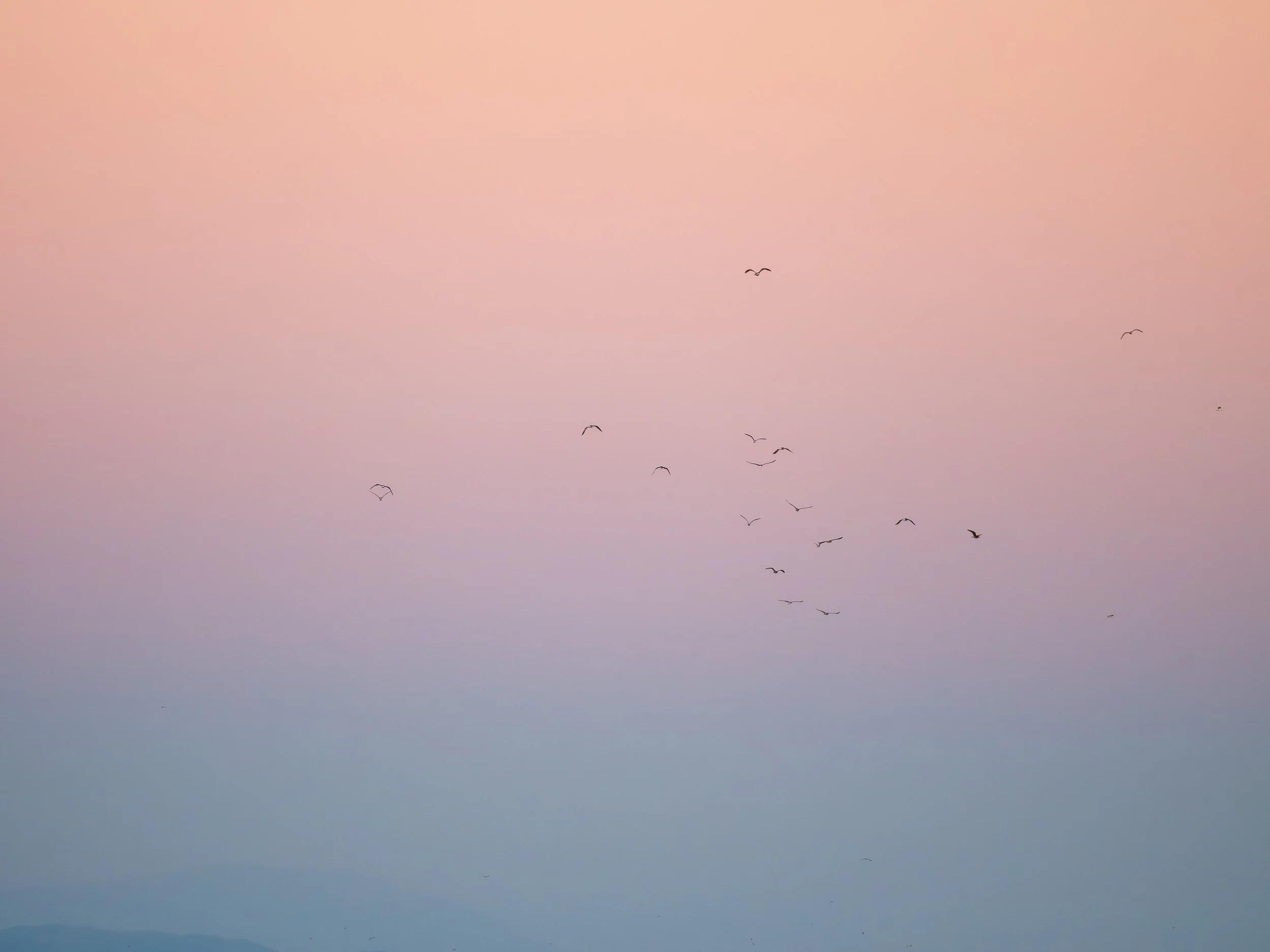
In Ronda we did two things. The first was, in the evening, simply soaking in the atmosphere and photographing the area — especially the birds, with the famous evening gathering of red-billed choughs. They come in flocks to rest for the night, around sunset when they start to gather. A quick, interesting thing to see on the "balconies" of Ronda, especially given the surroundings.
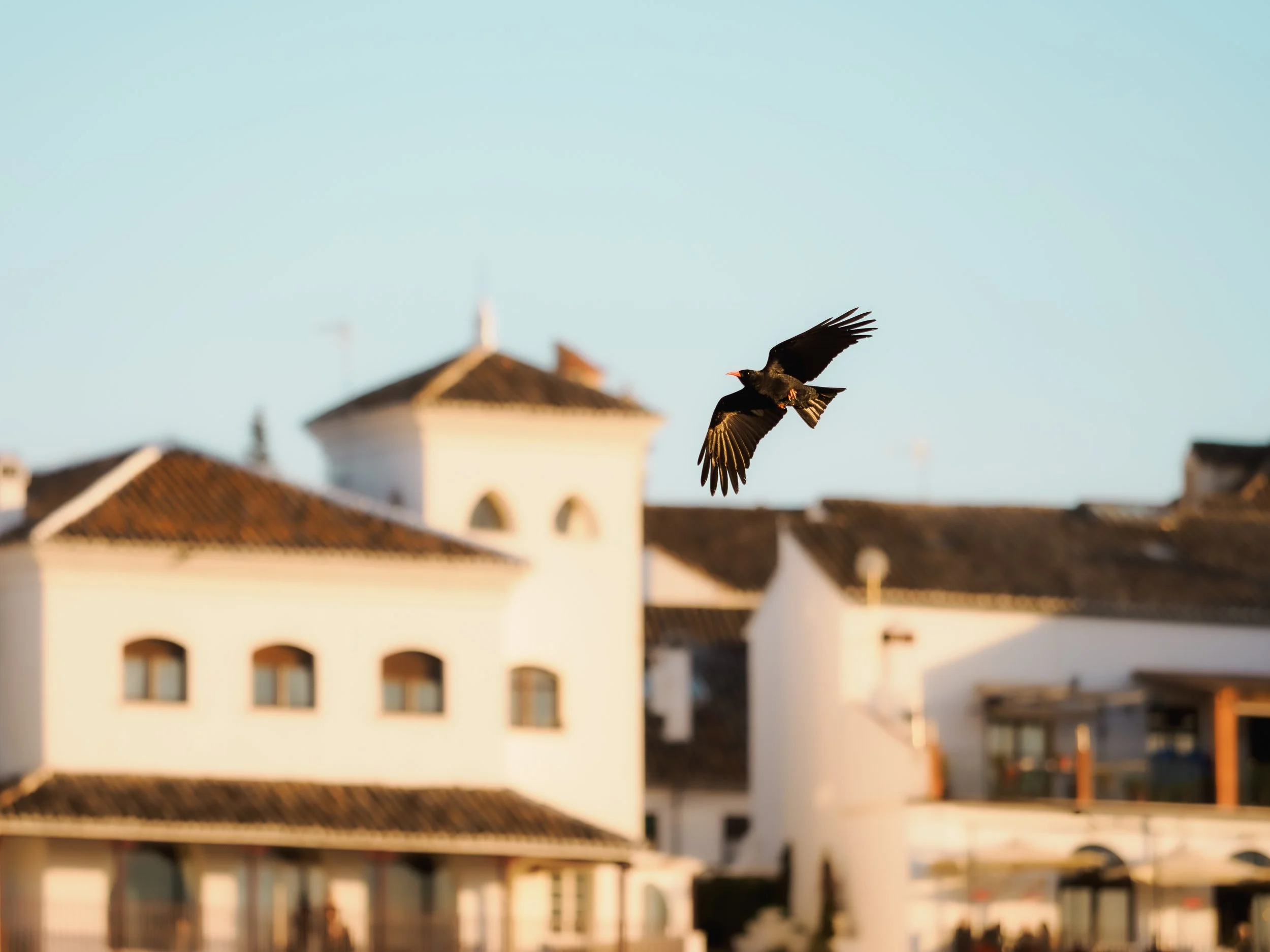
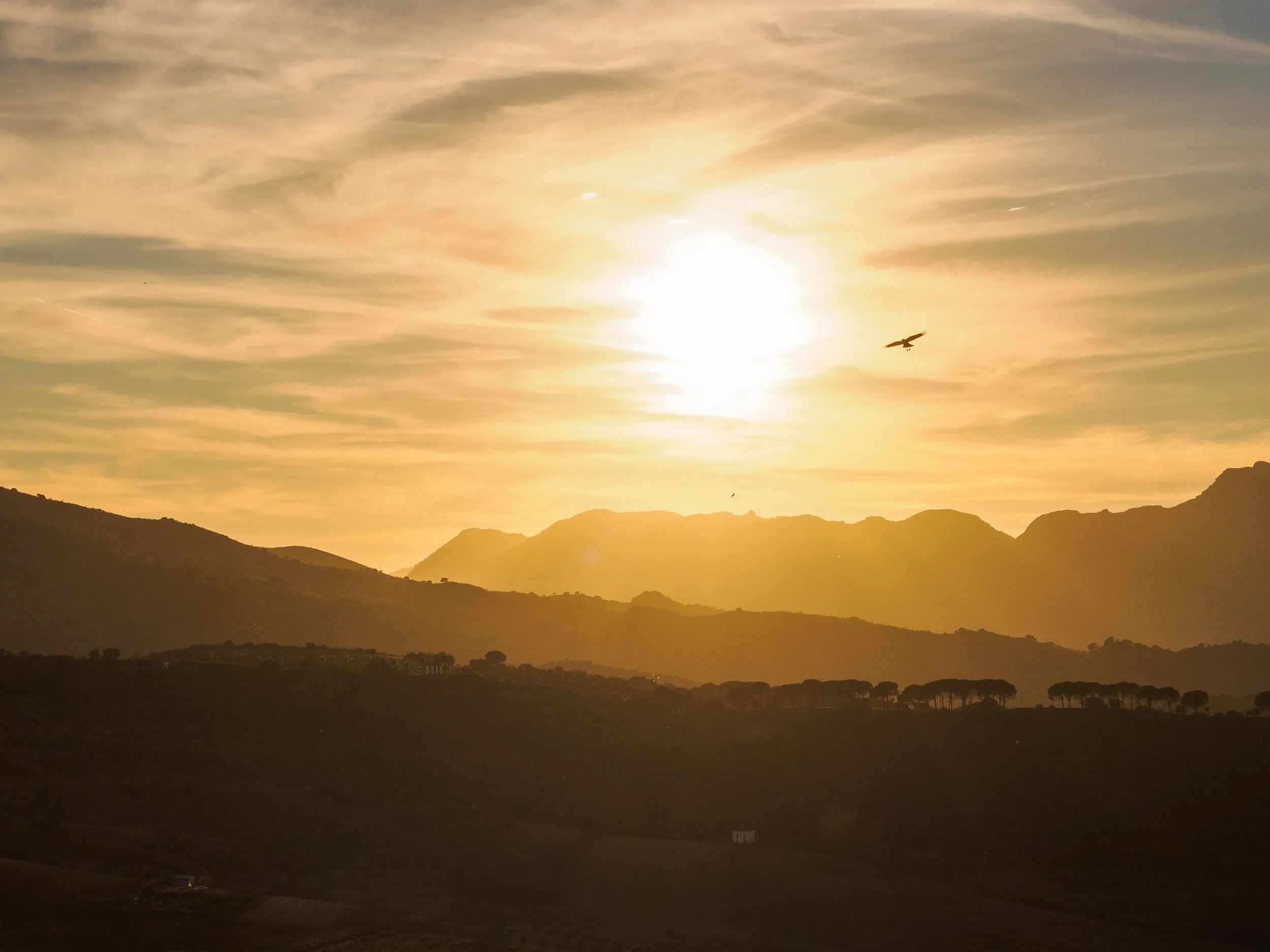
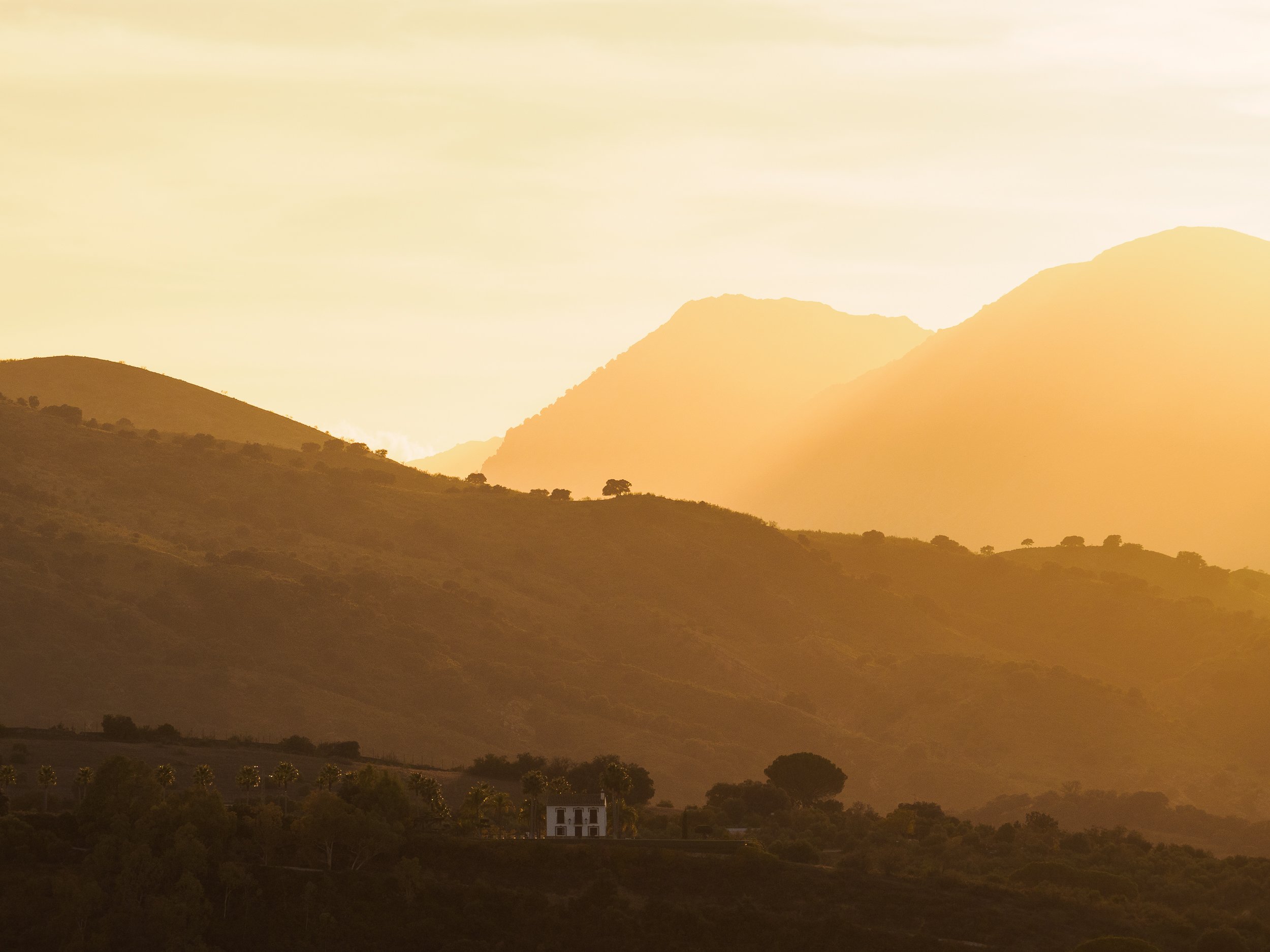
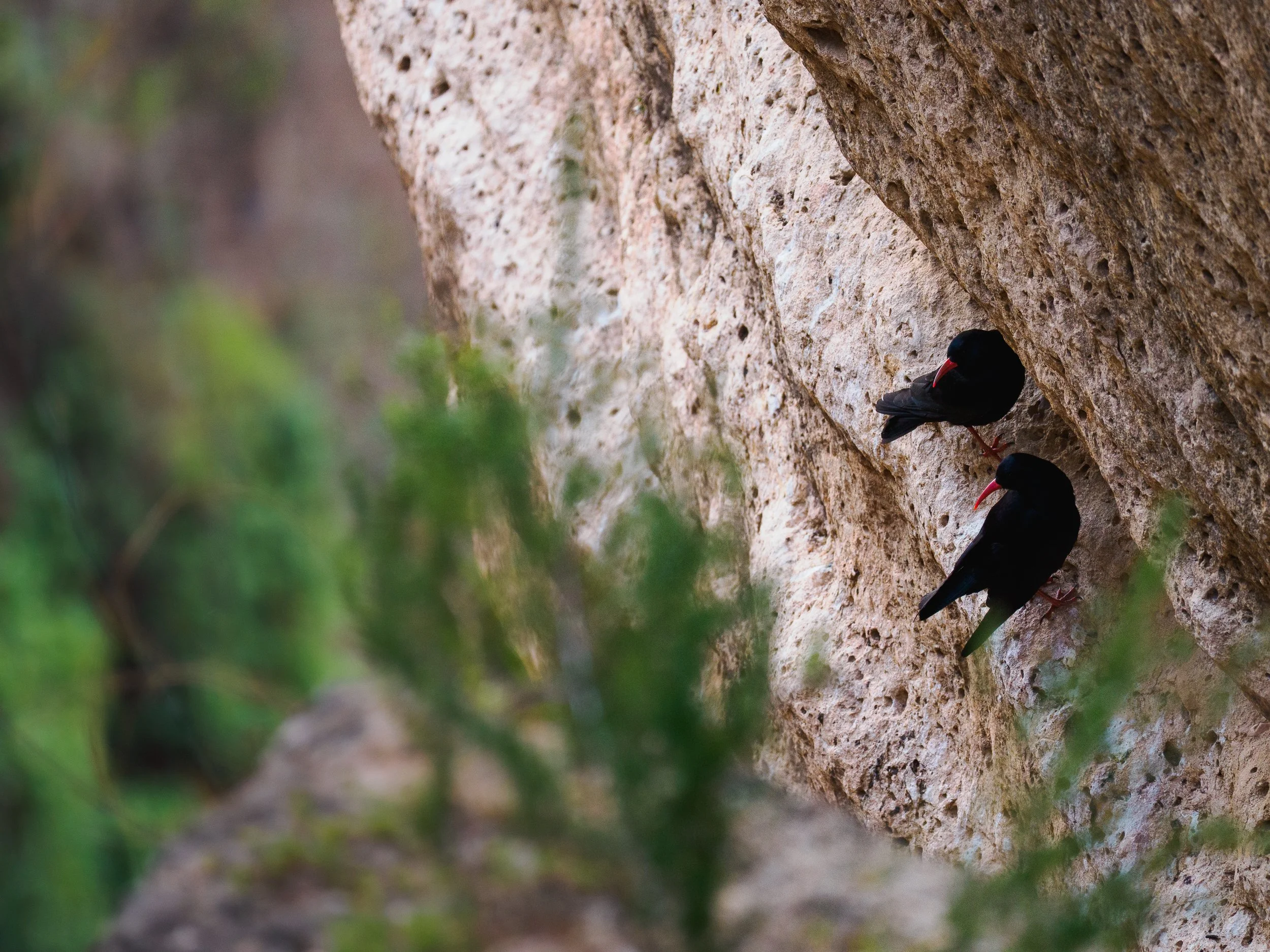
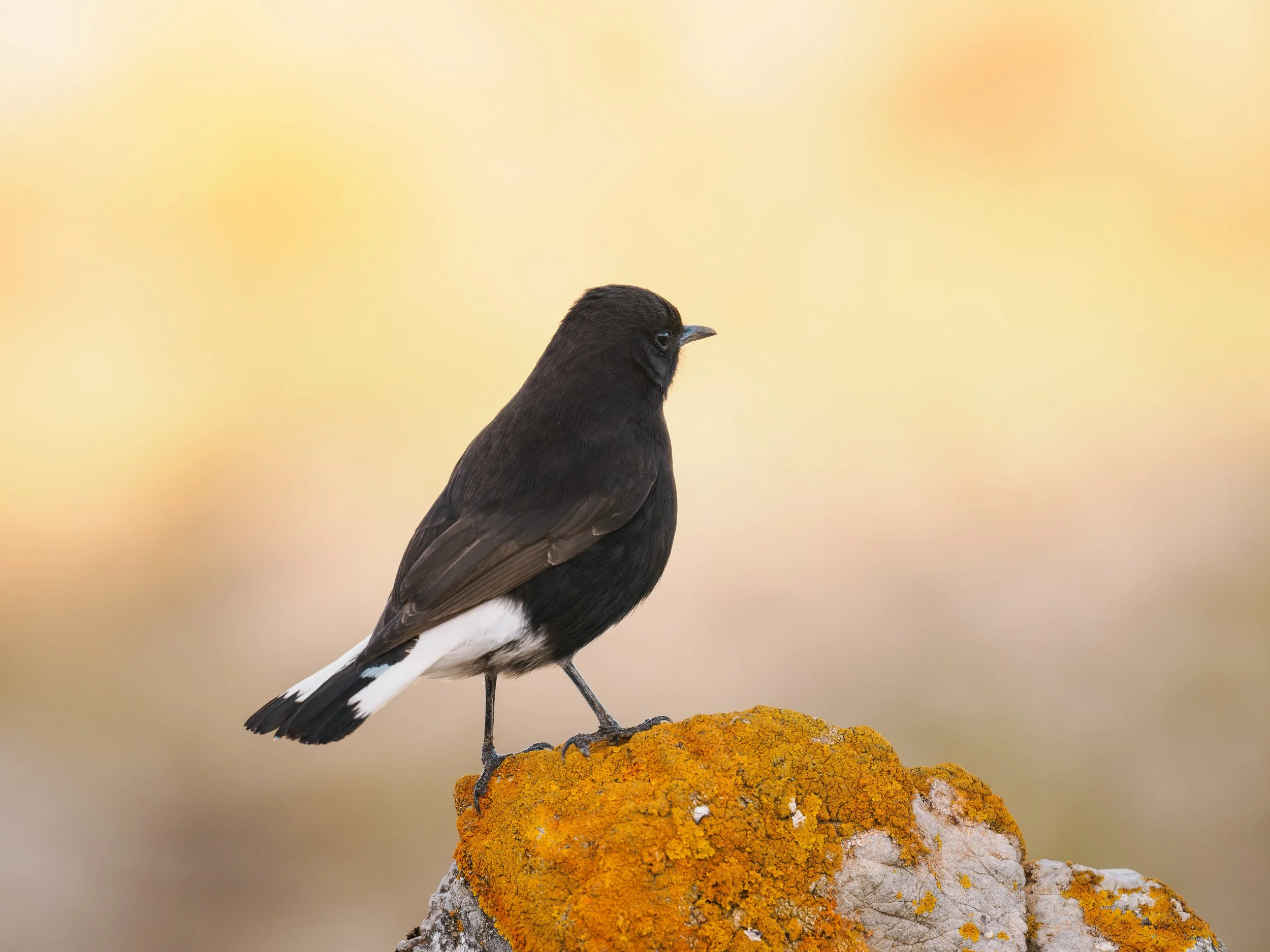
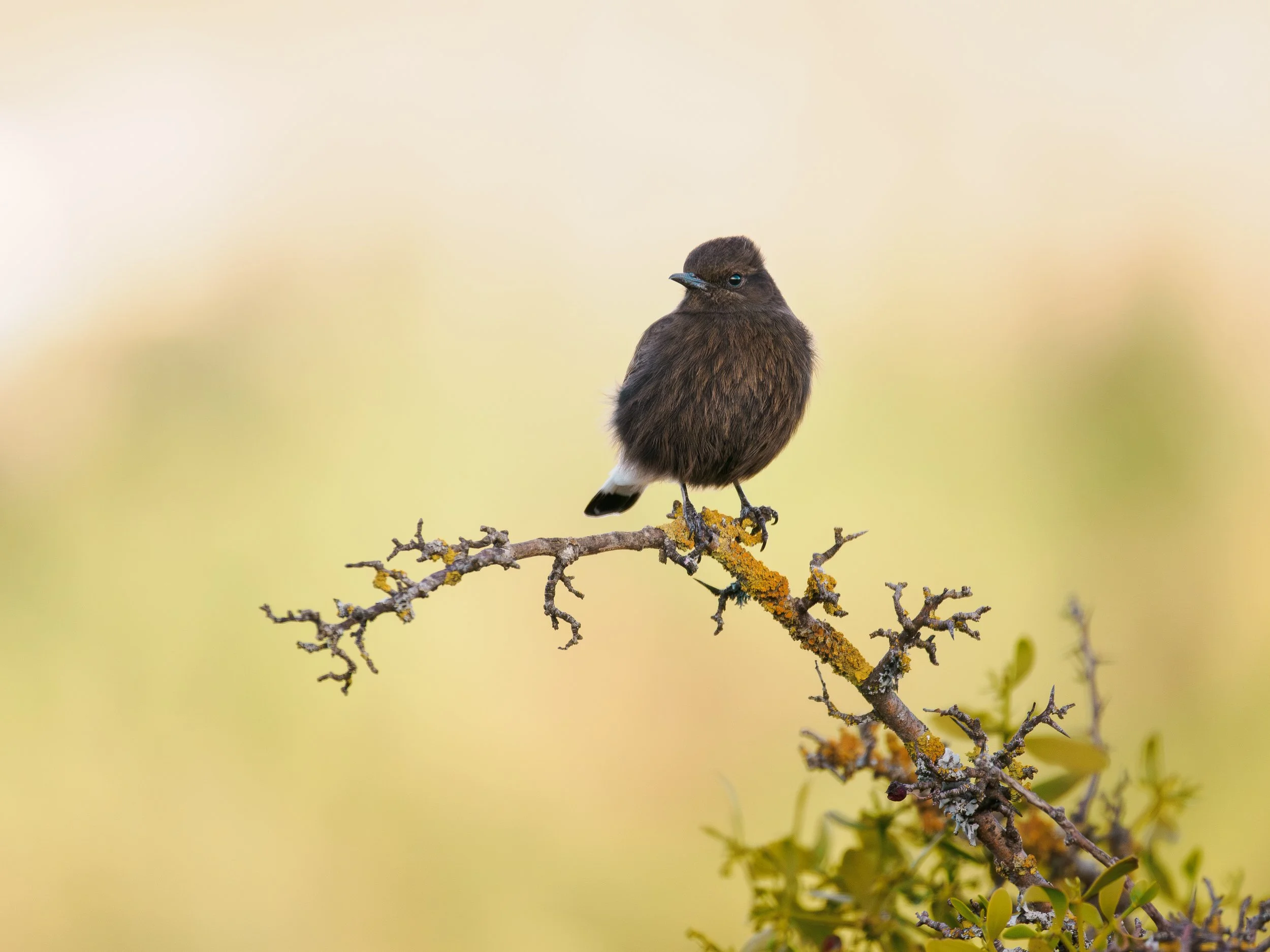
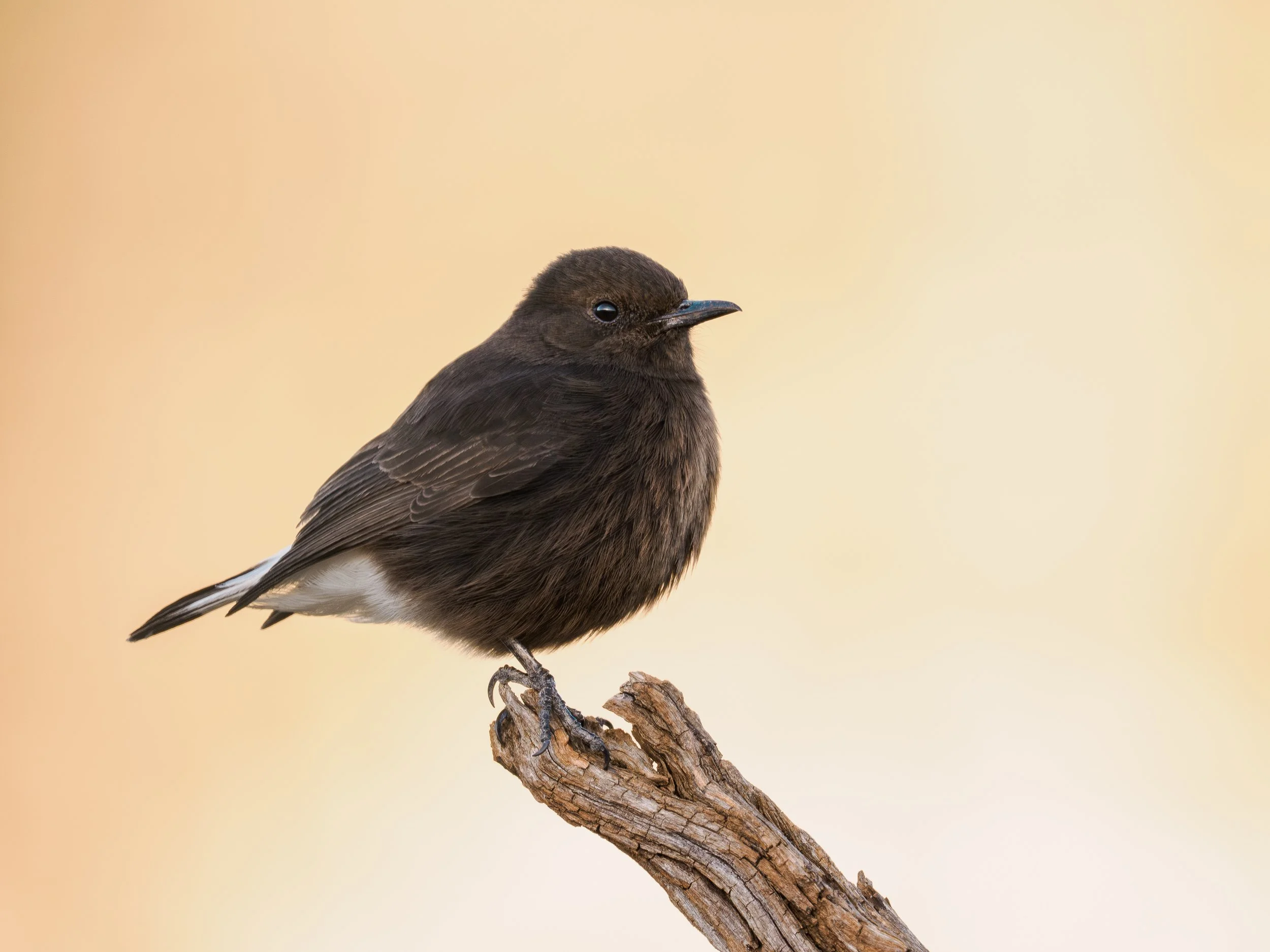
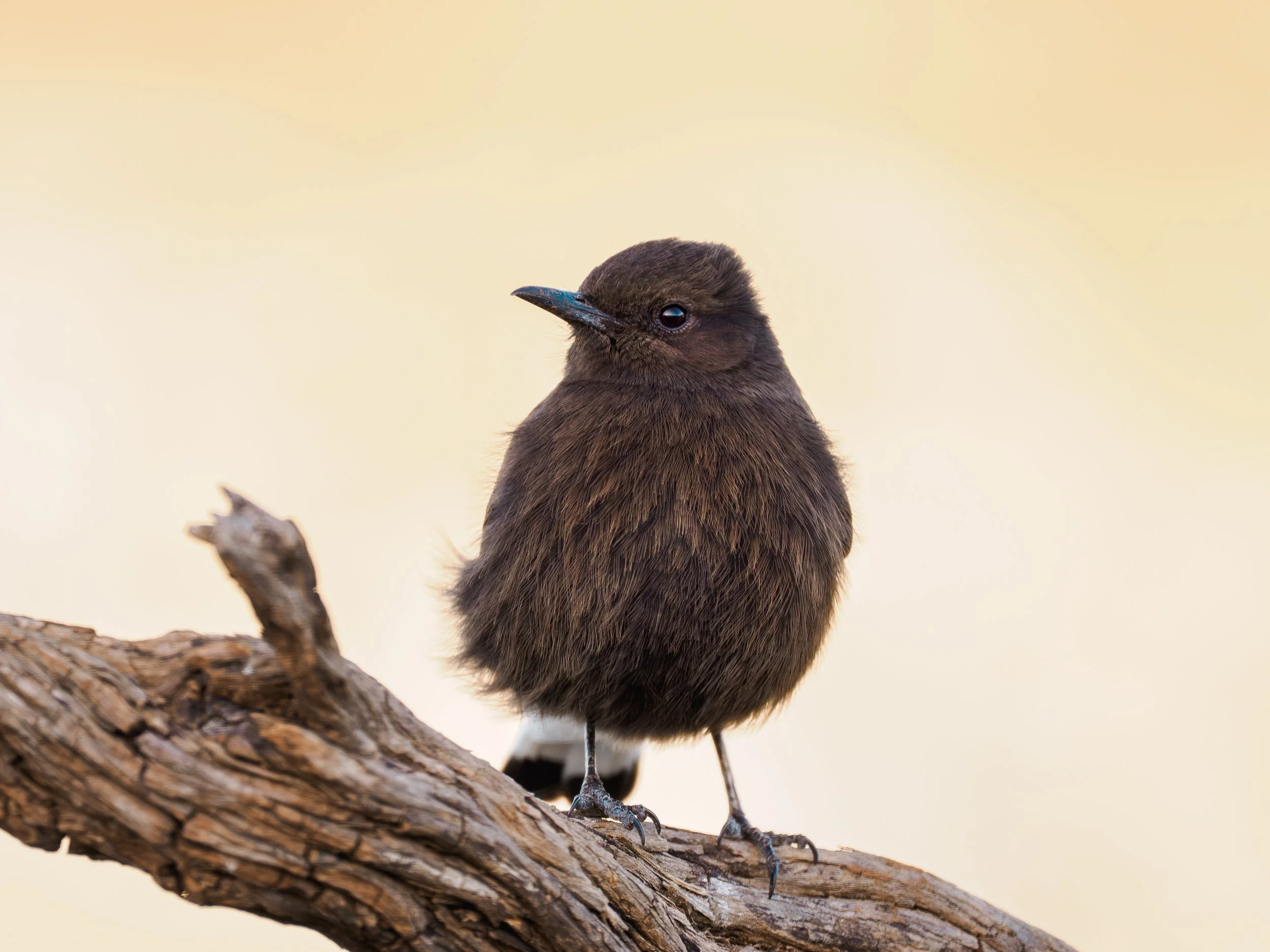
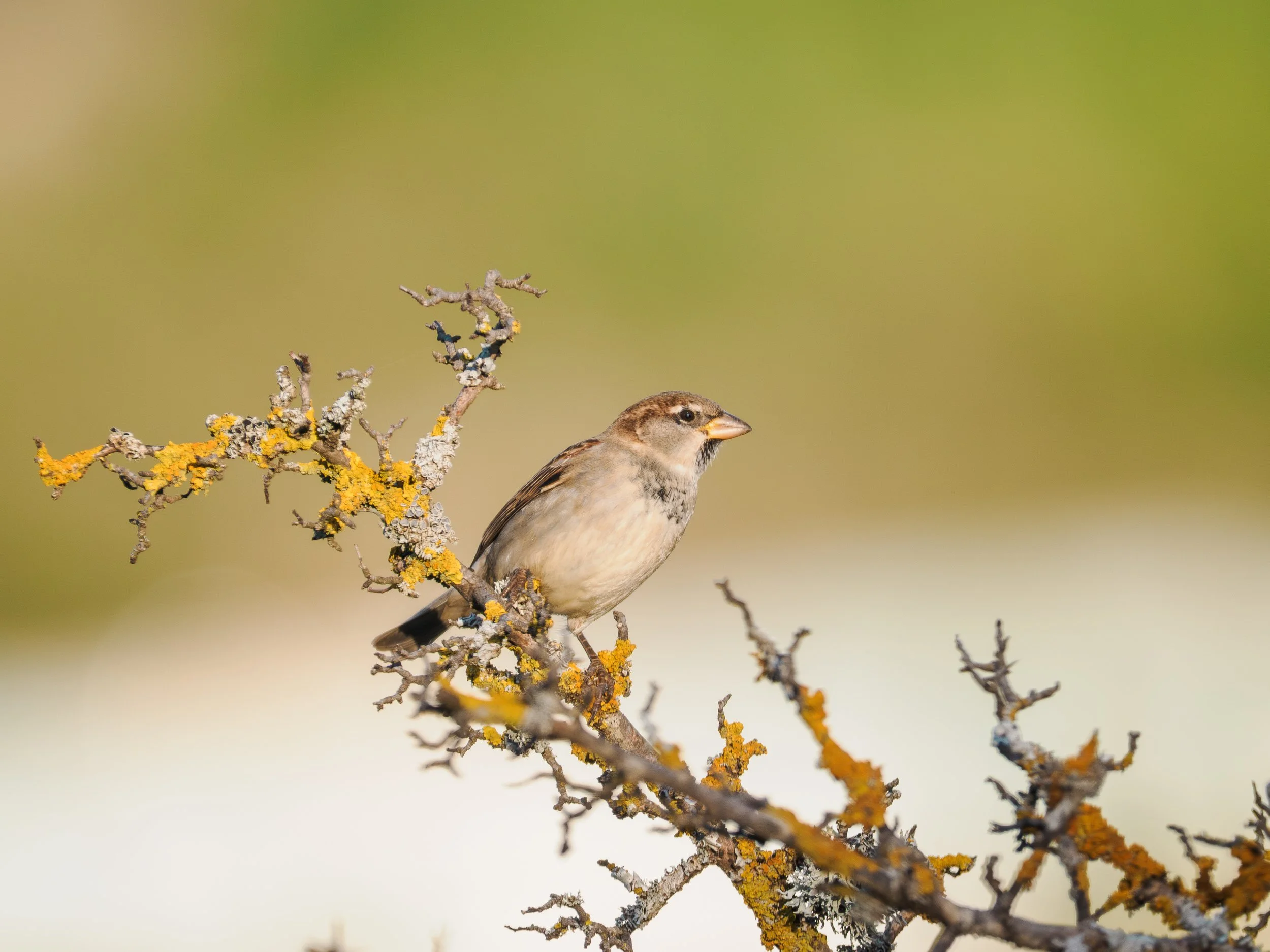
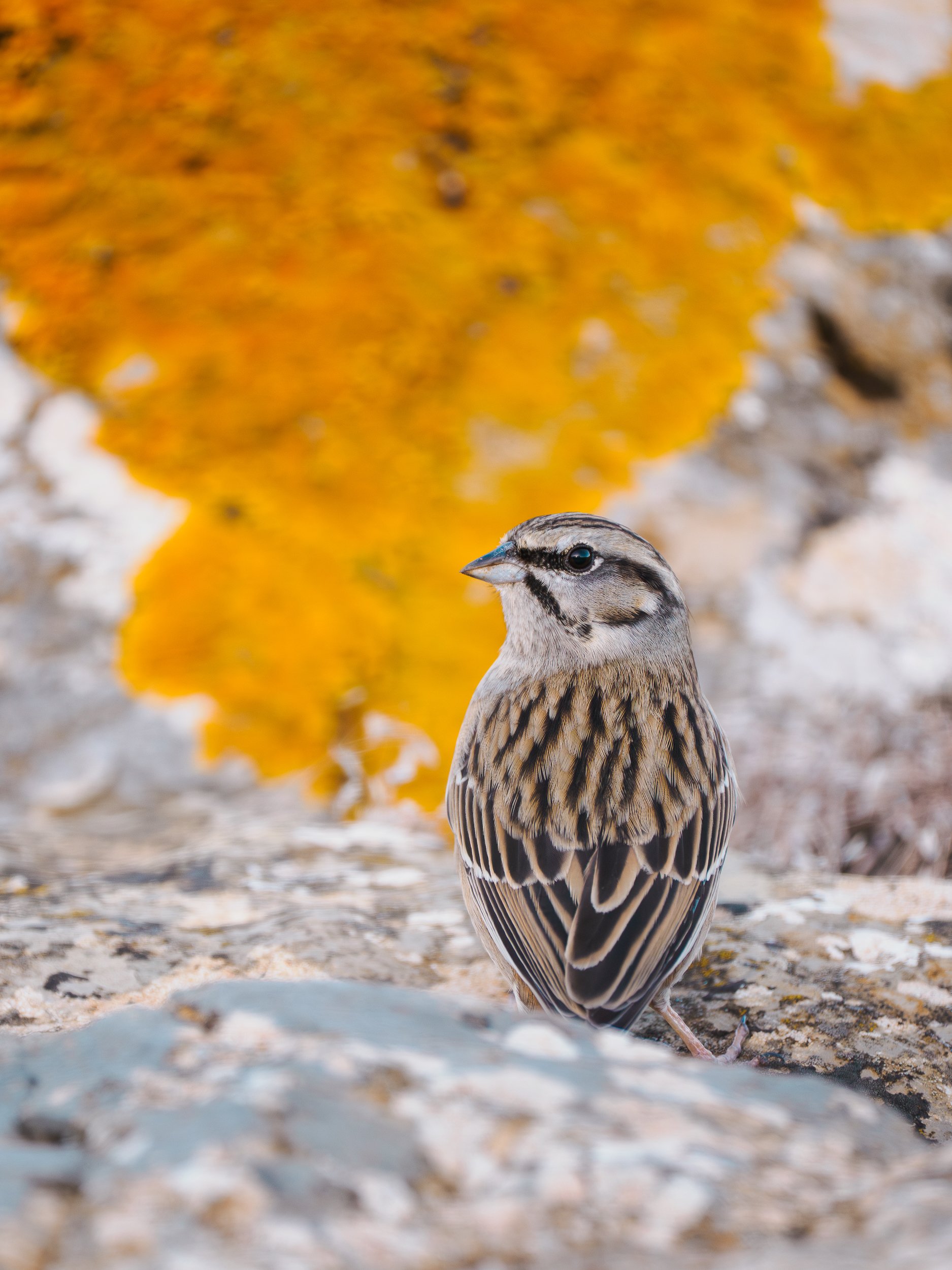
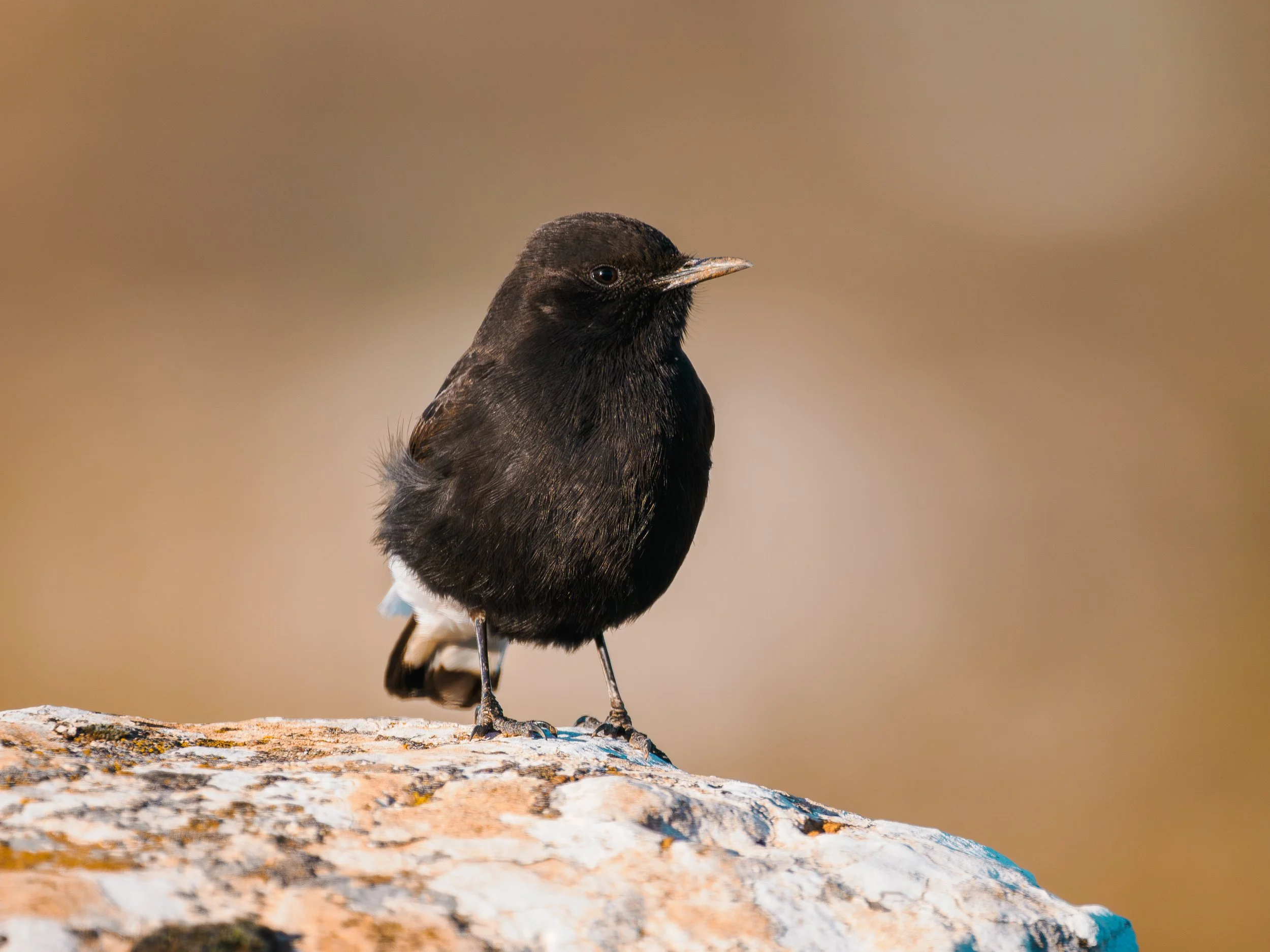
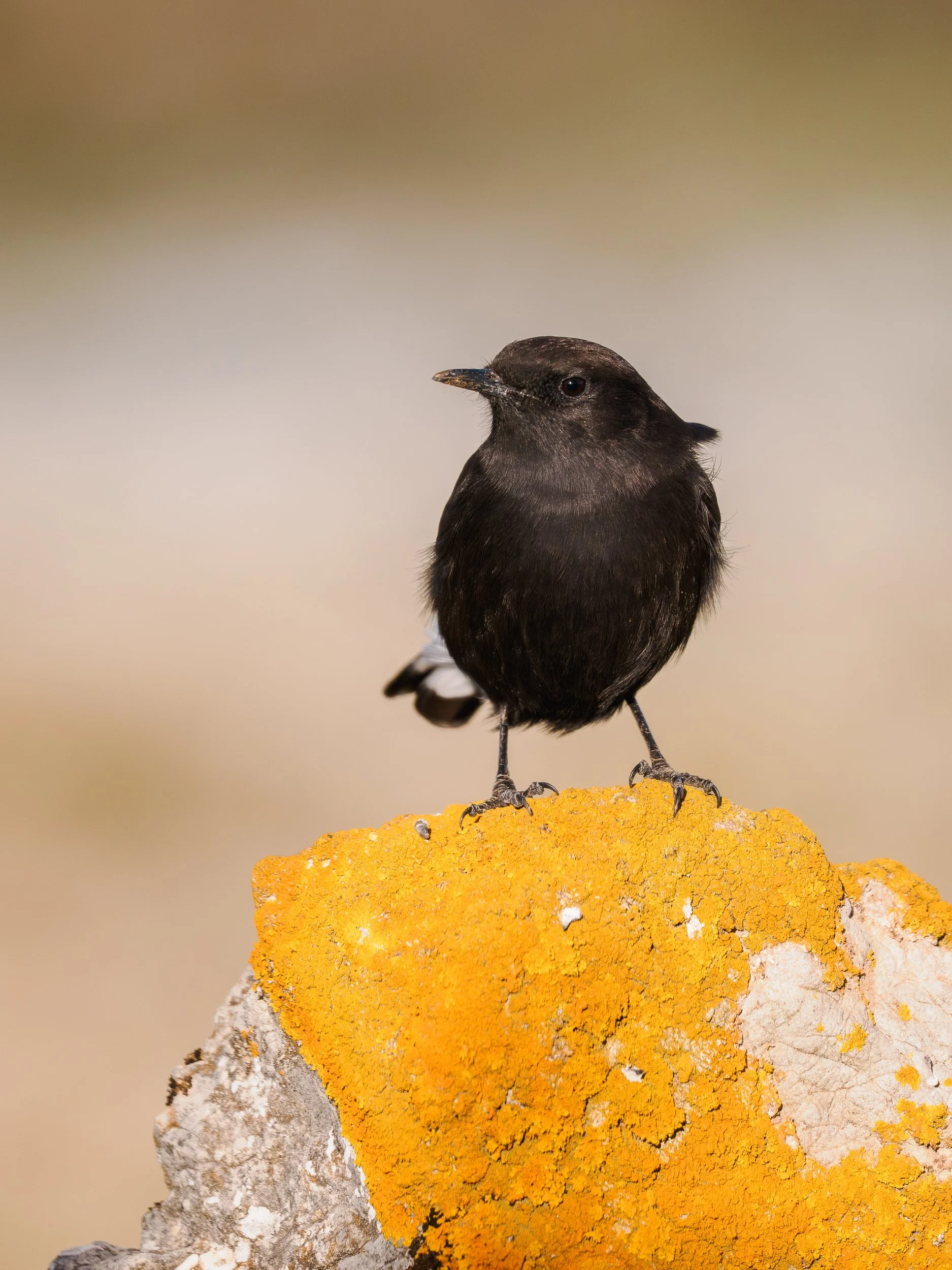
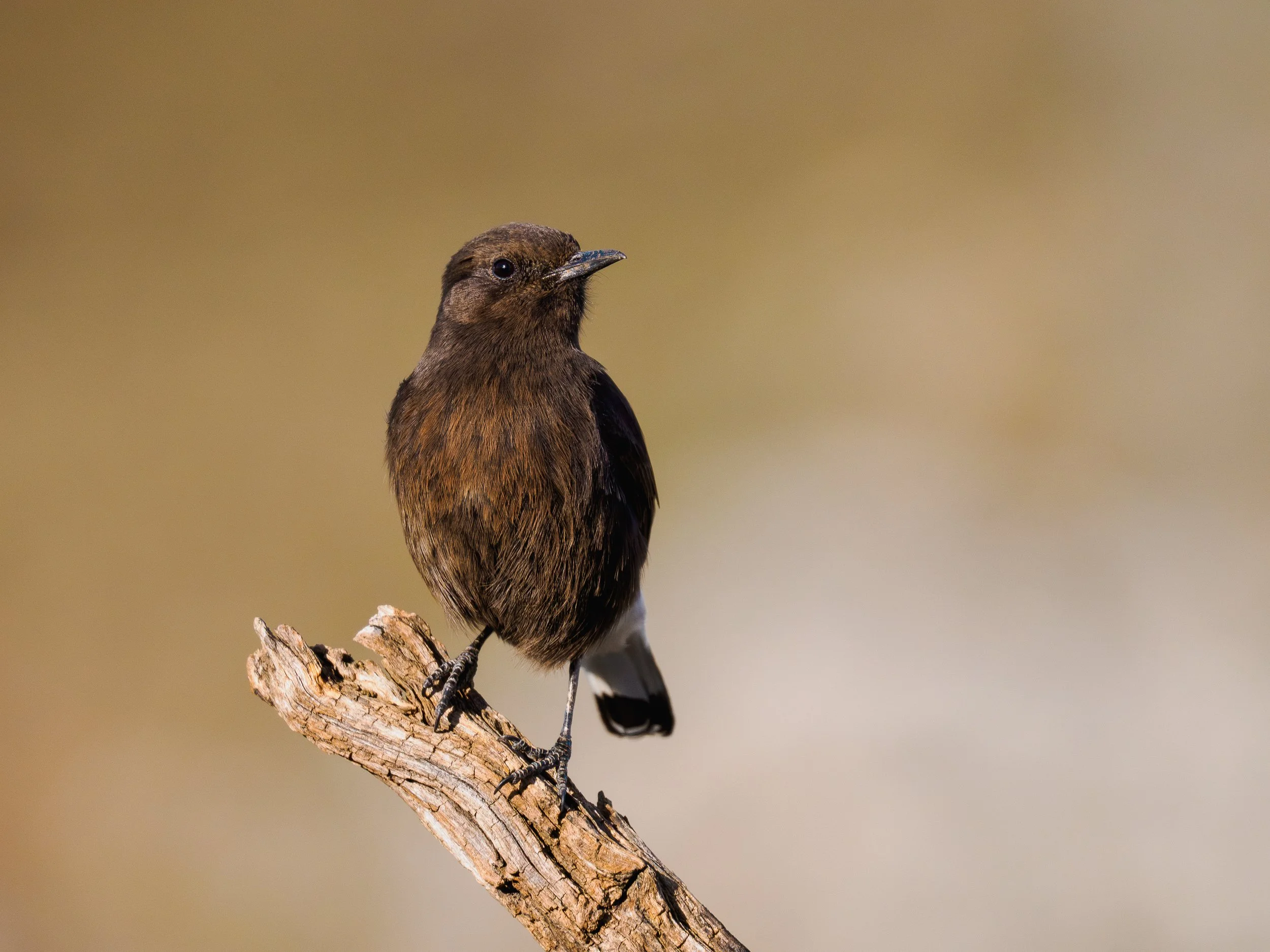
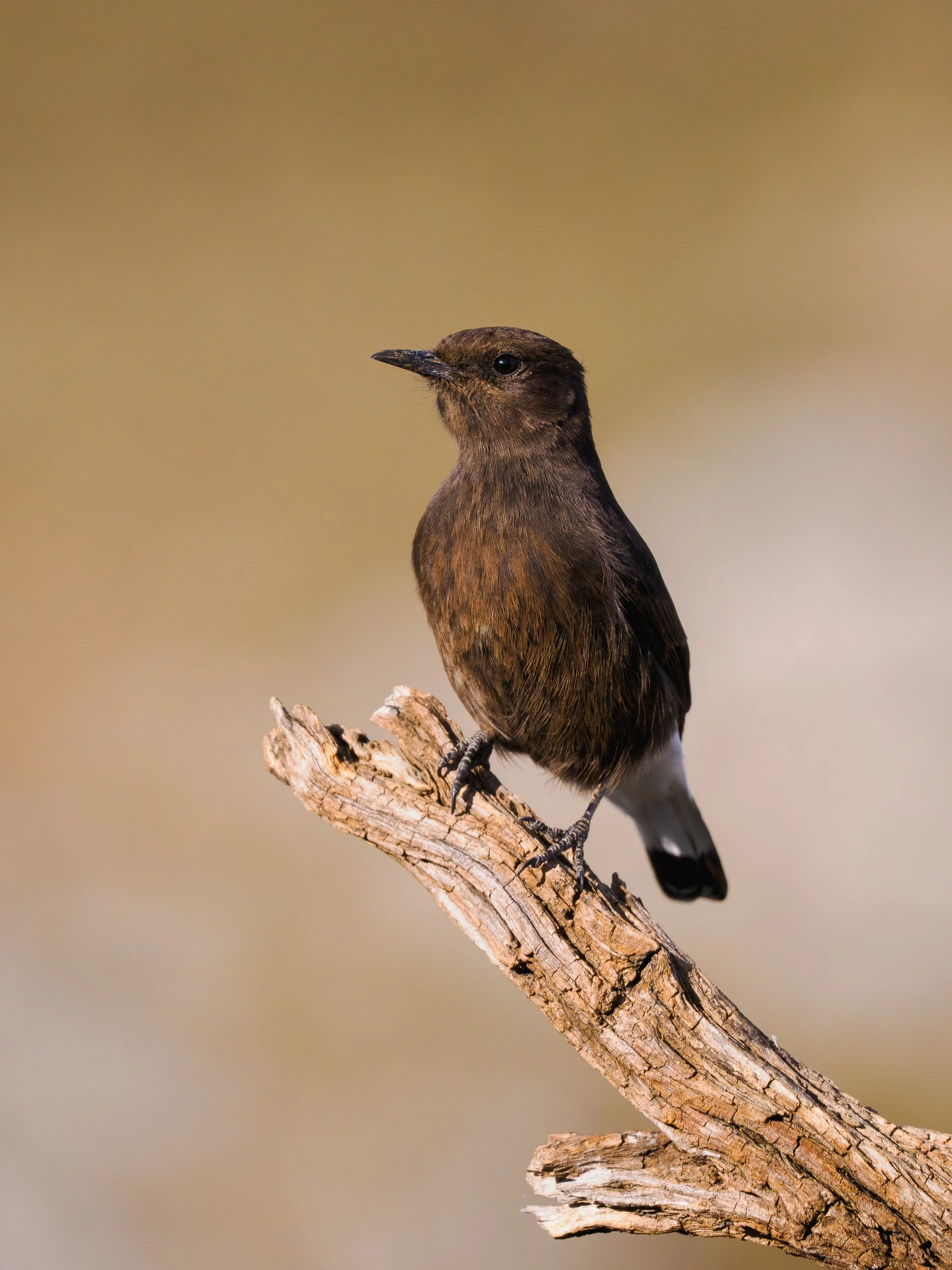
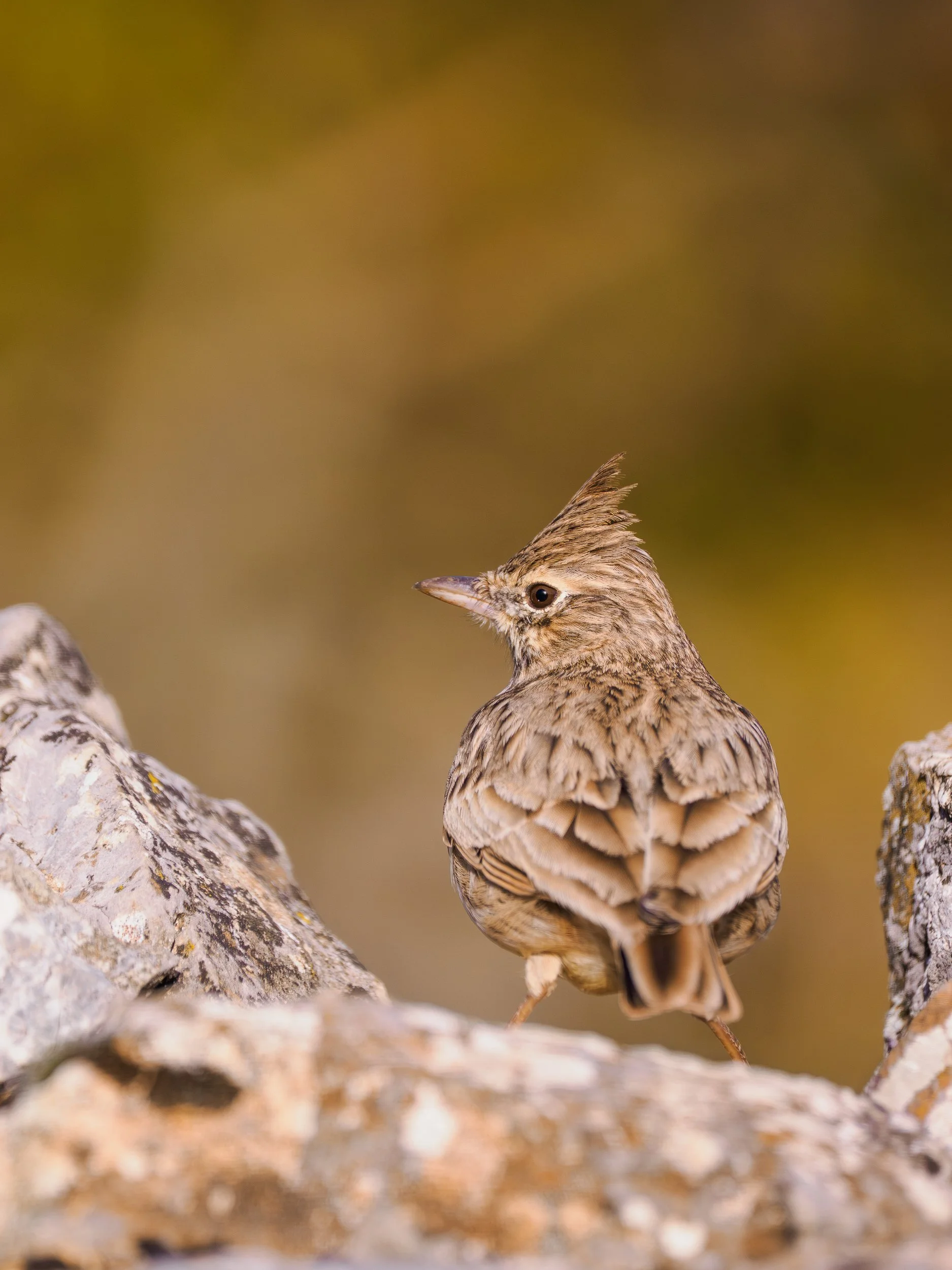
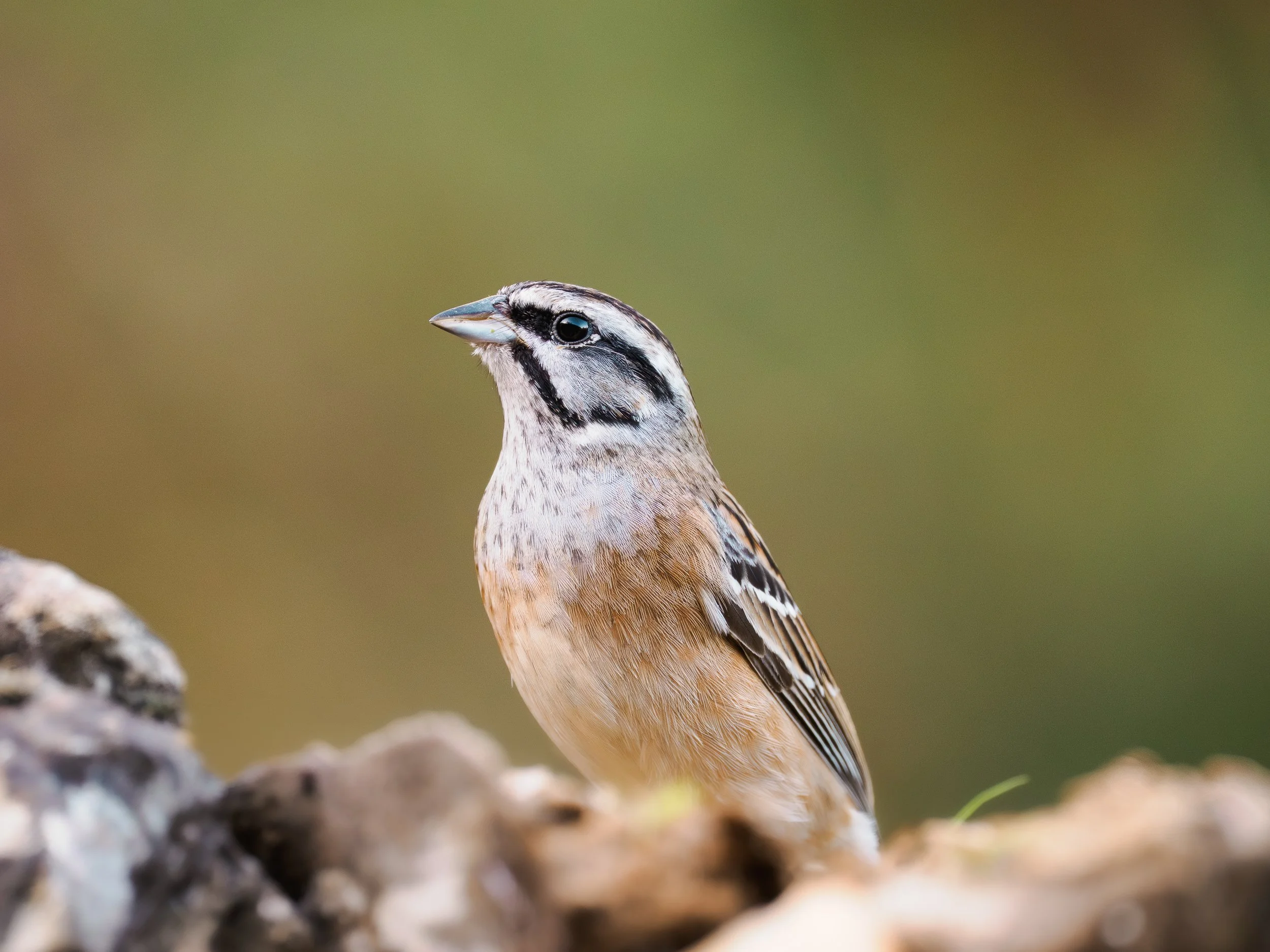
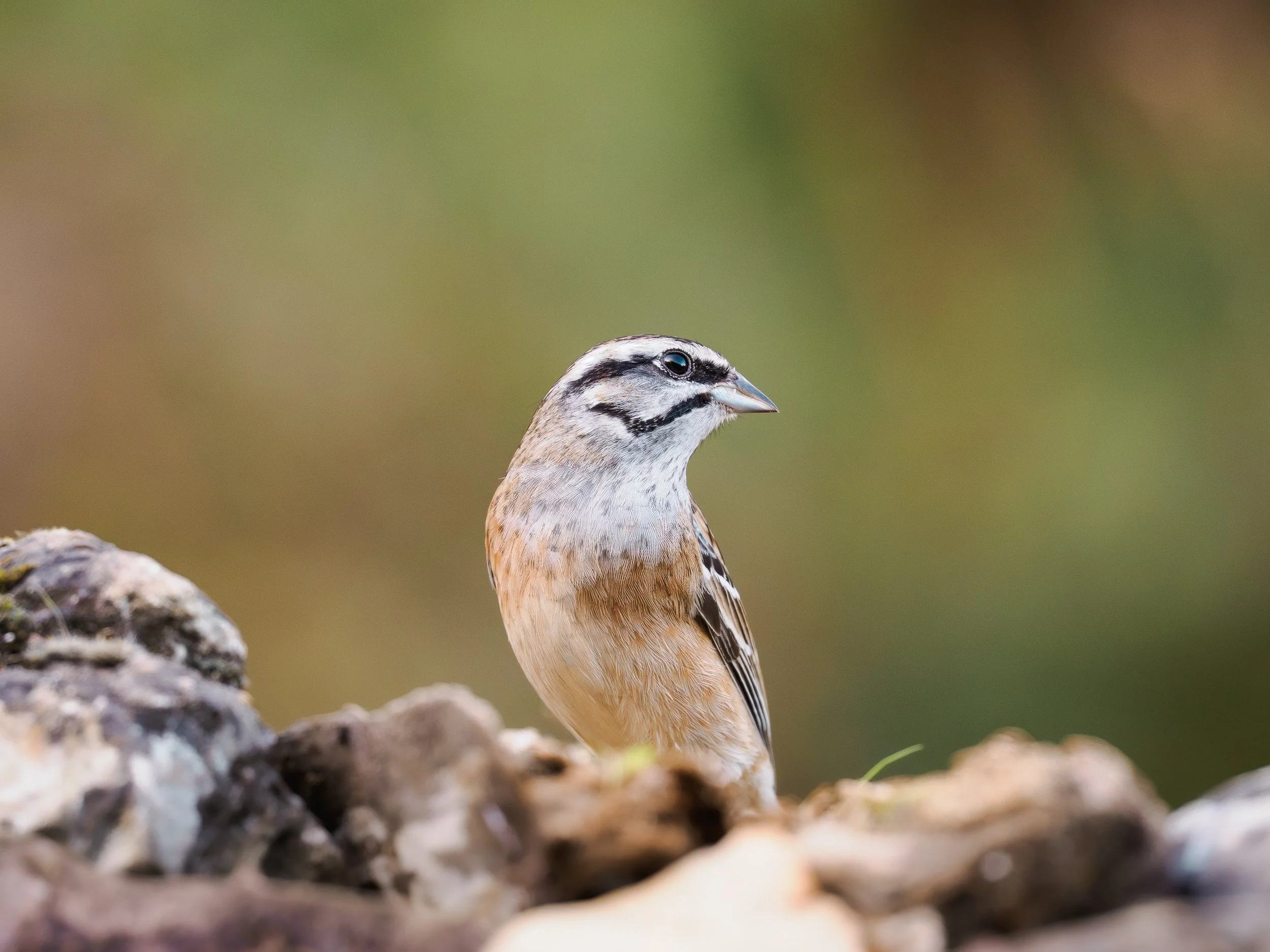
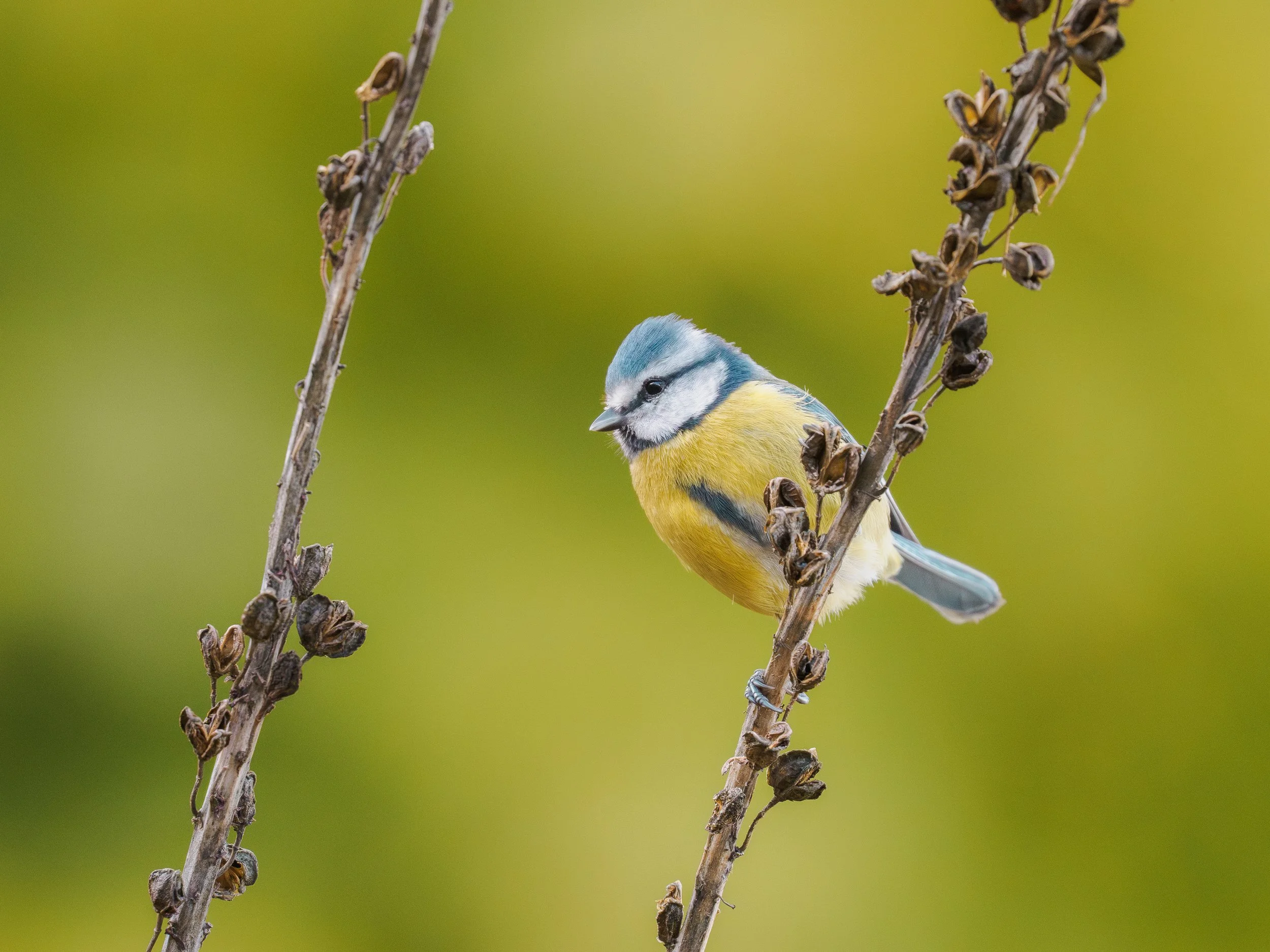
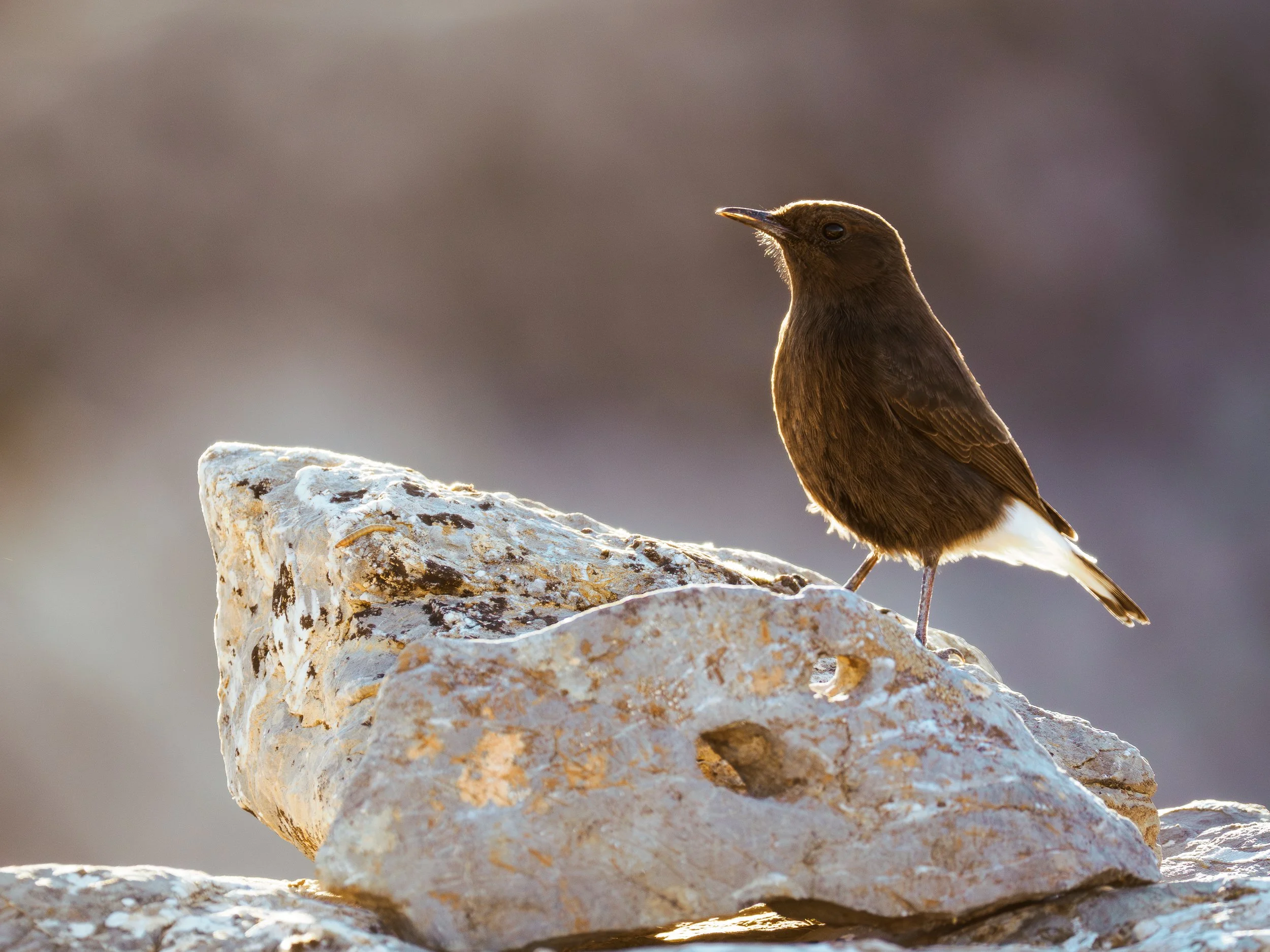
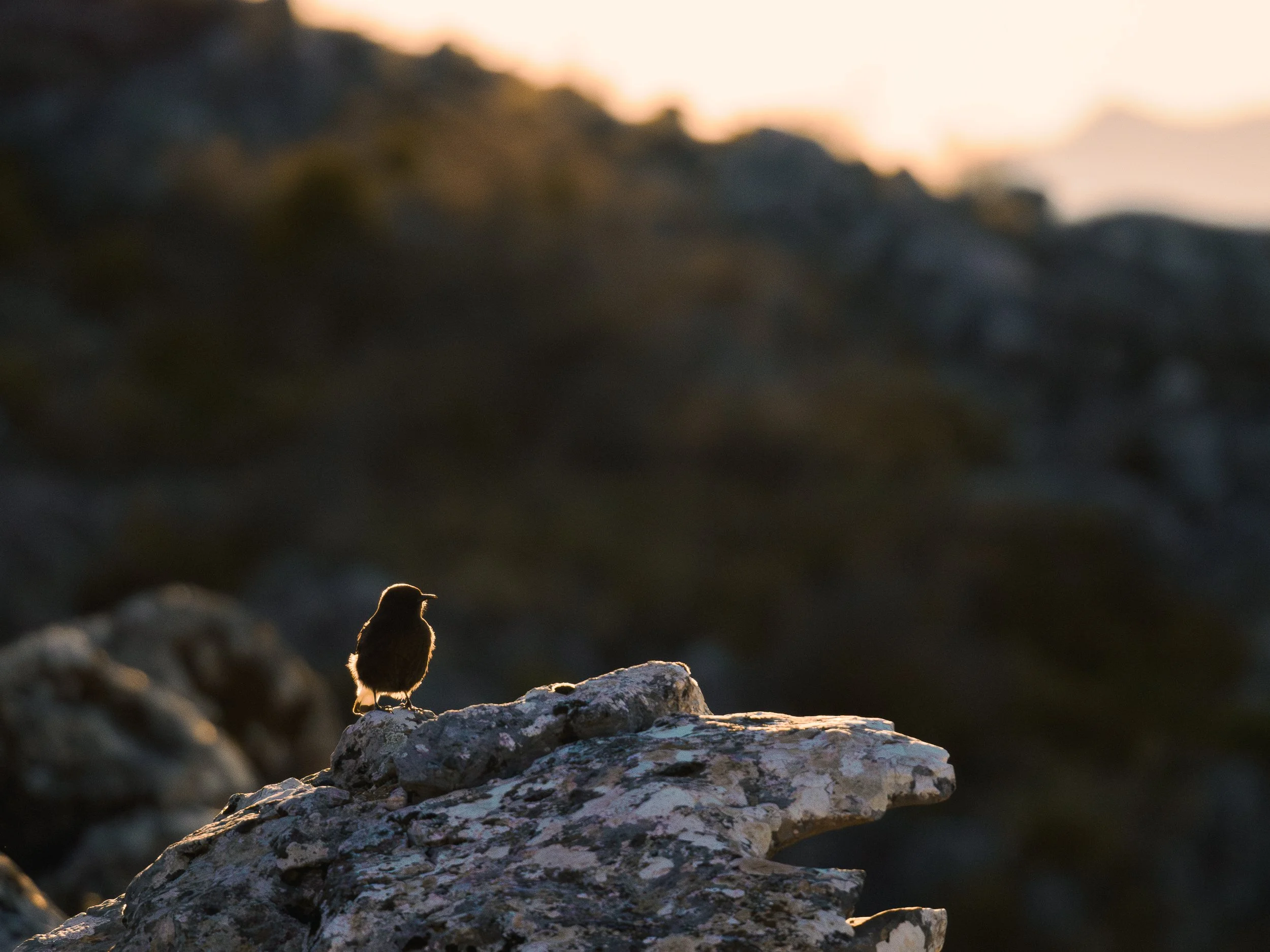
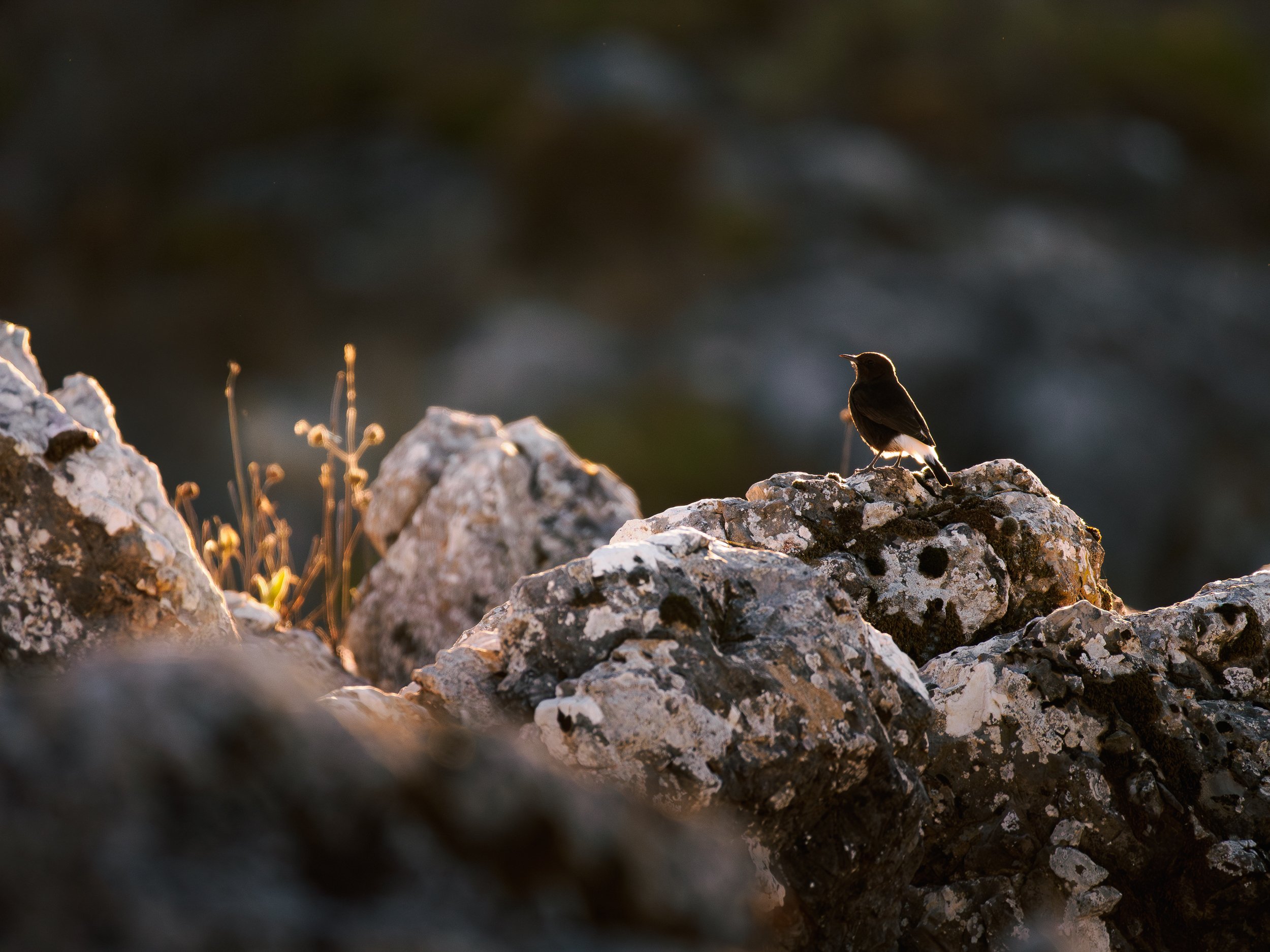
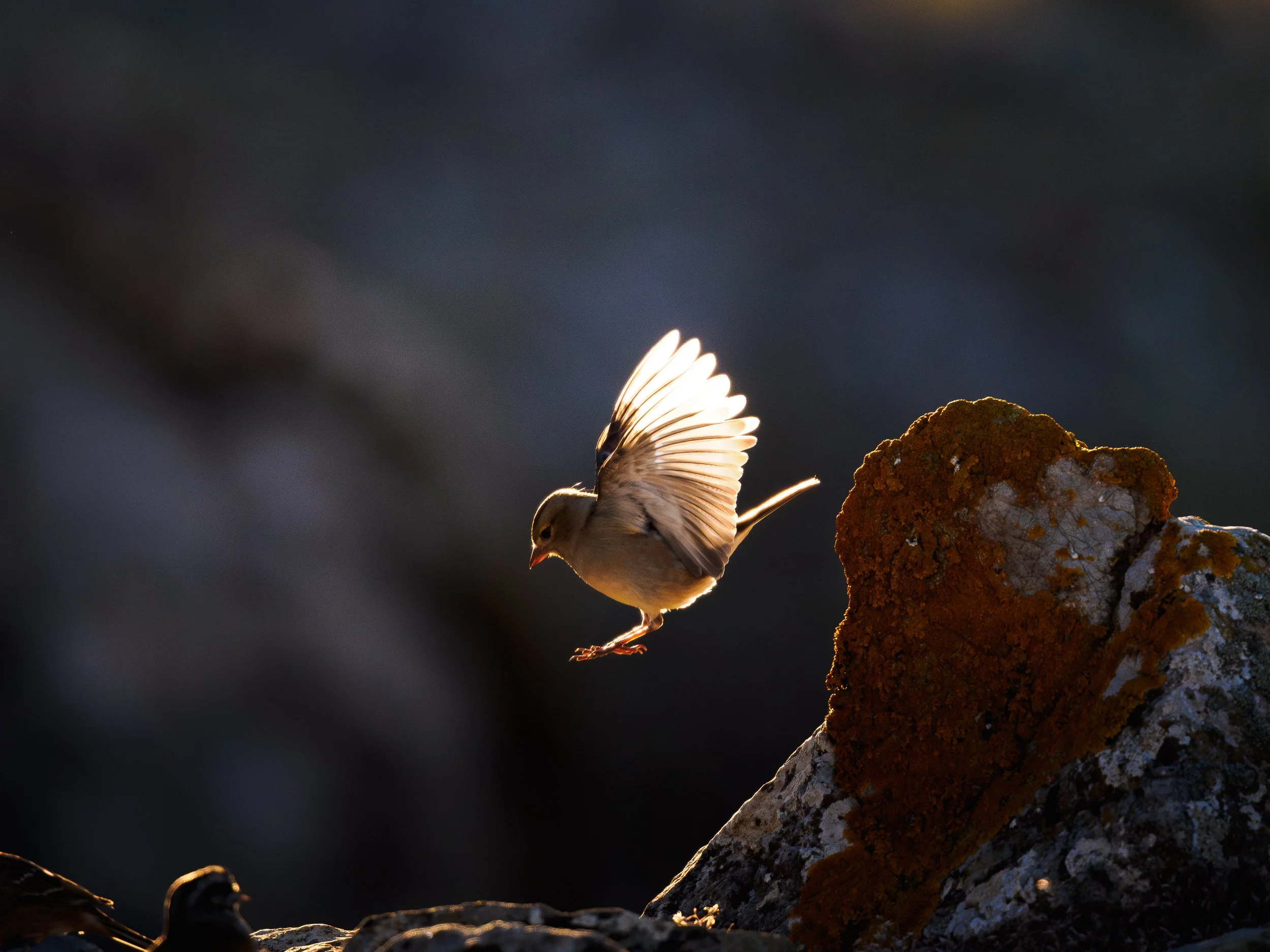
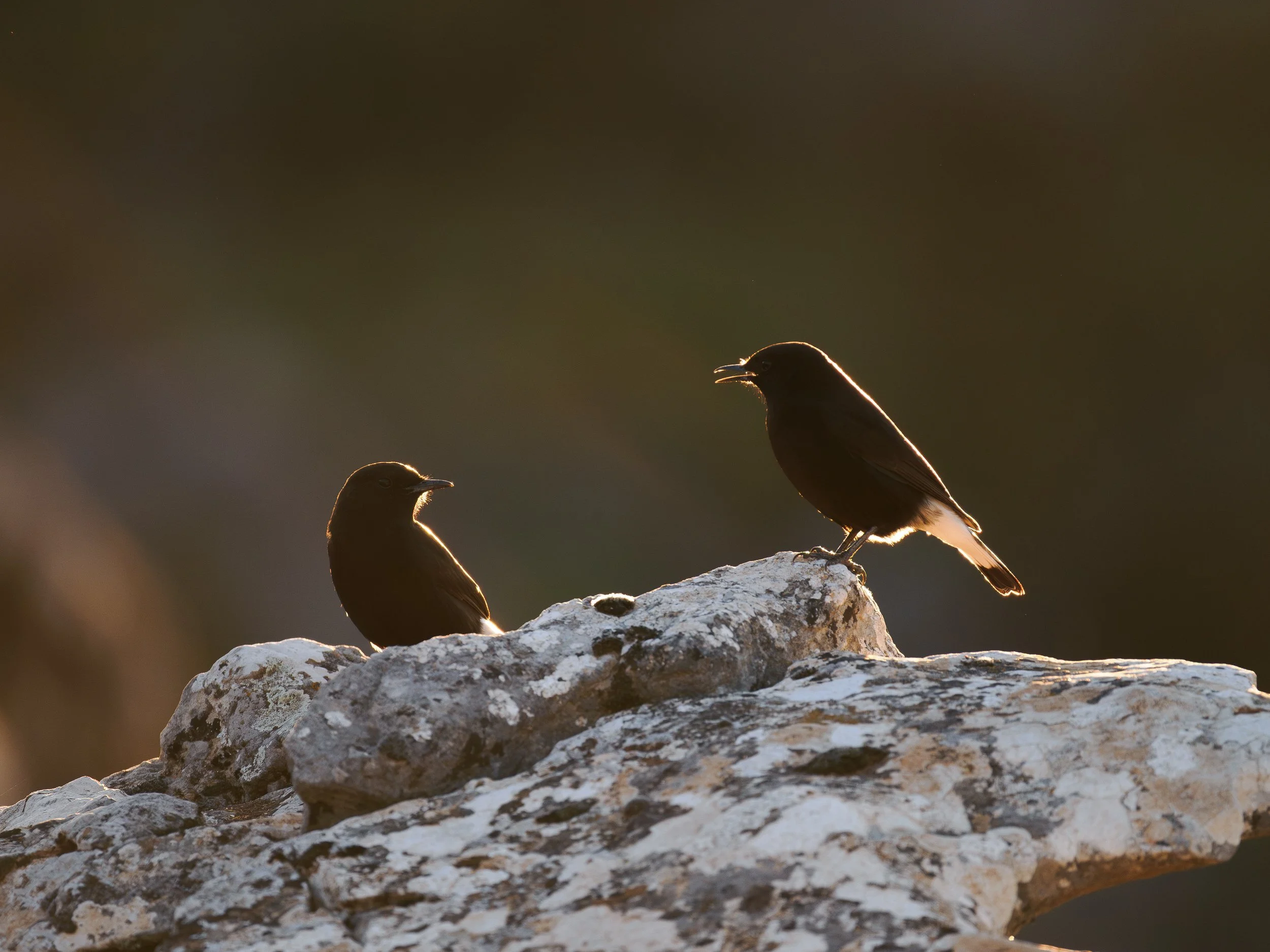
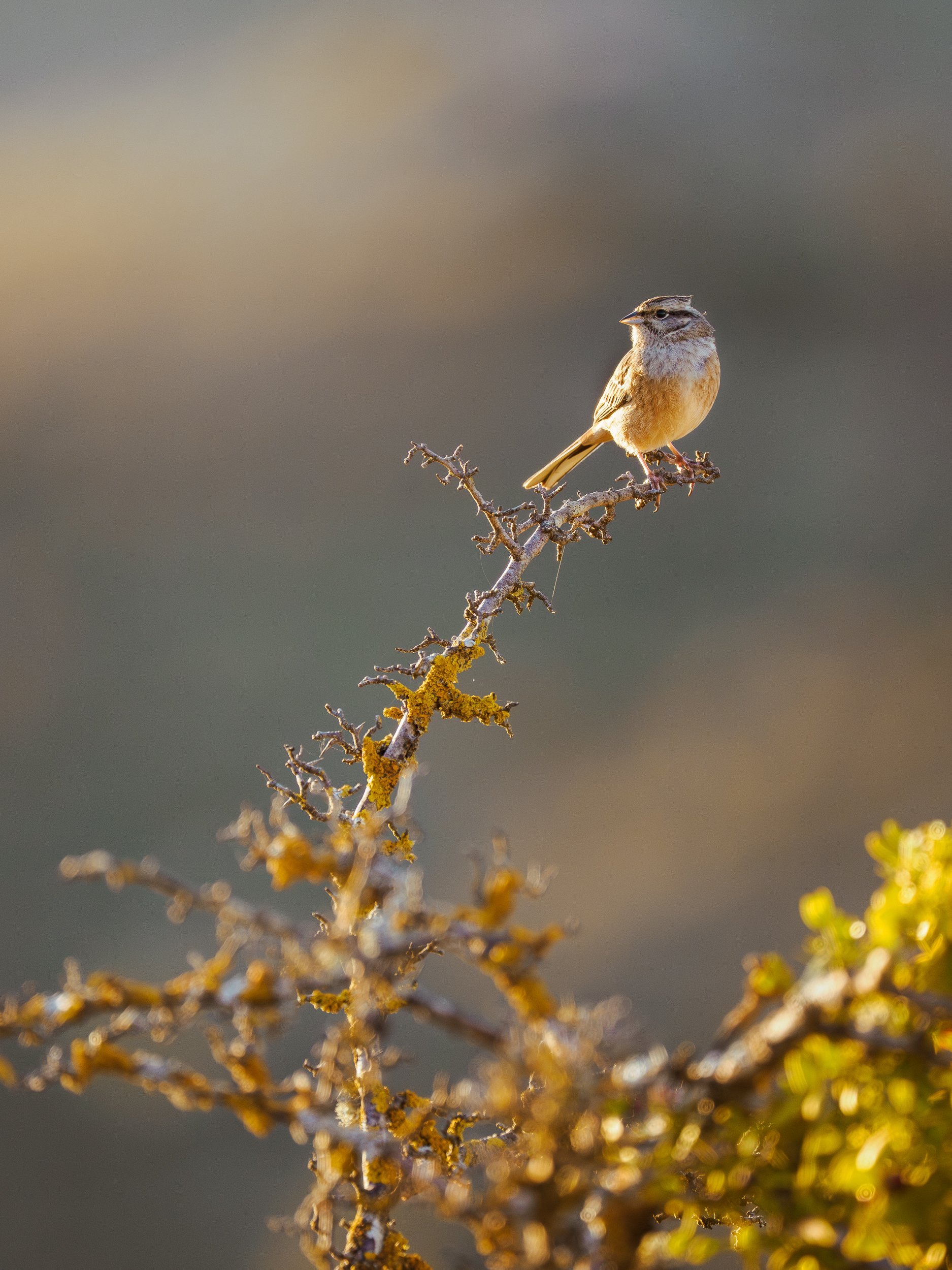
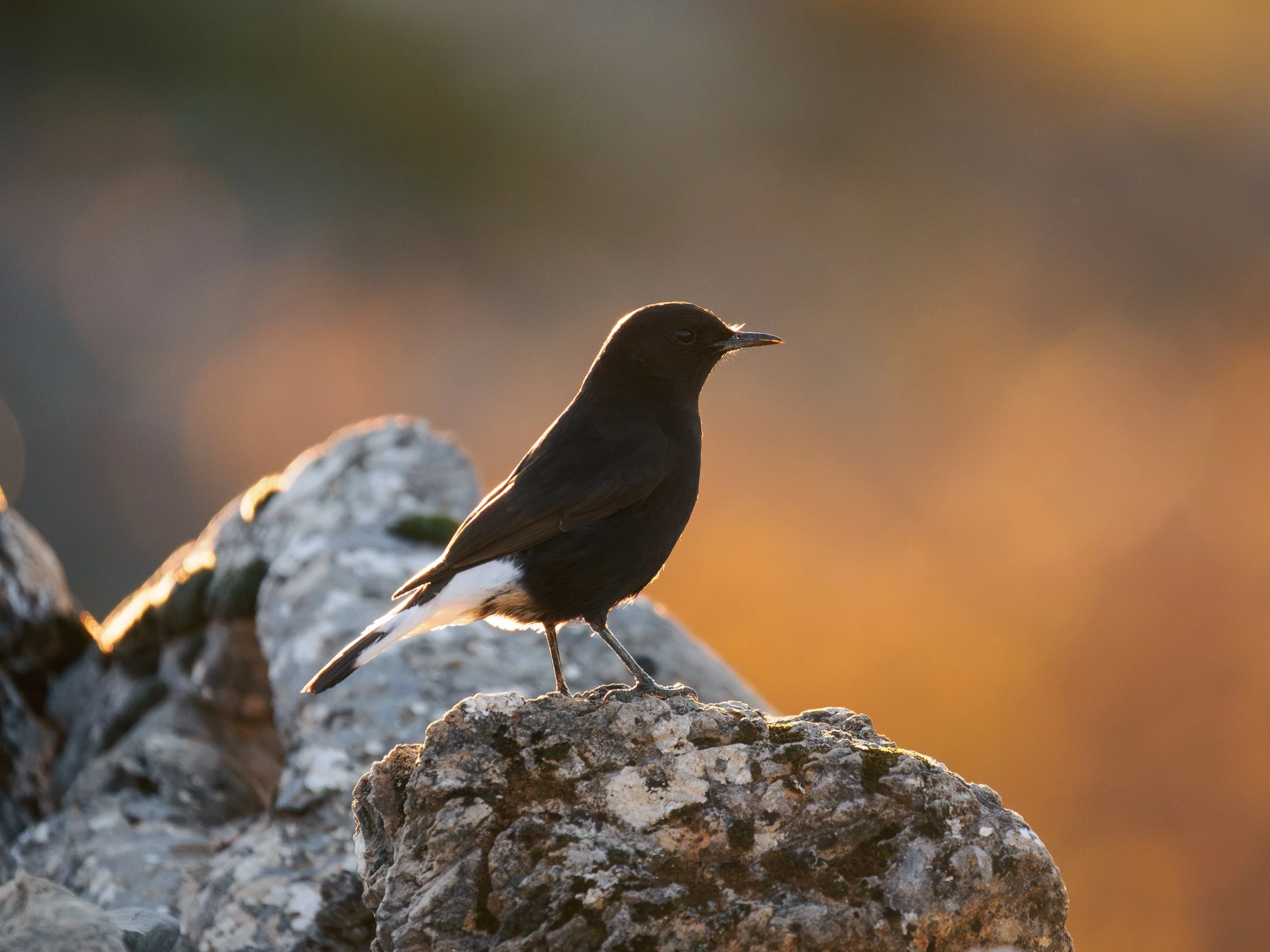
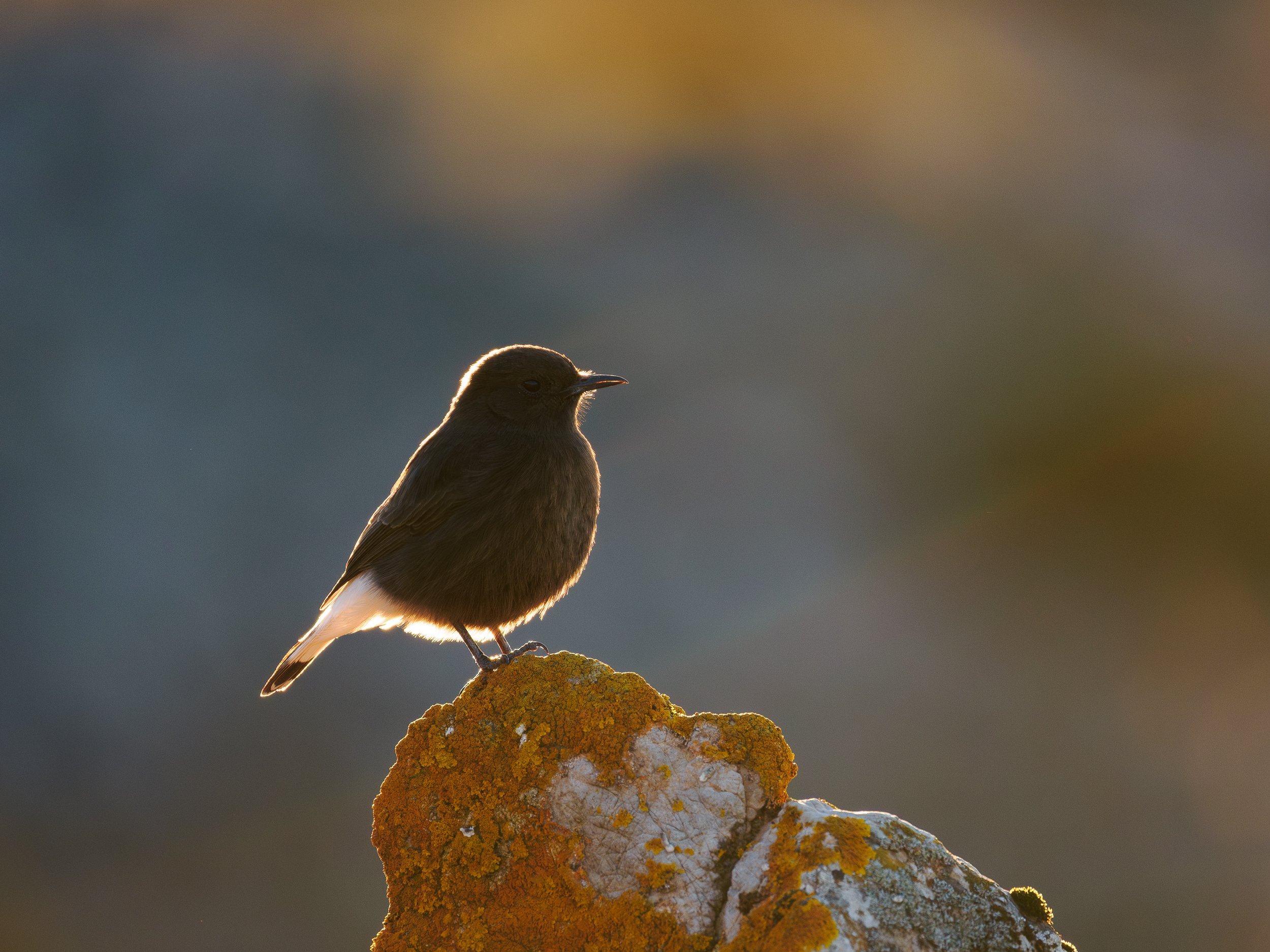
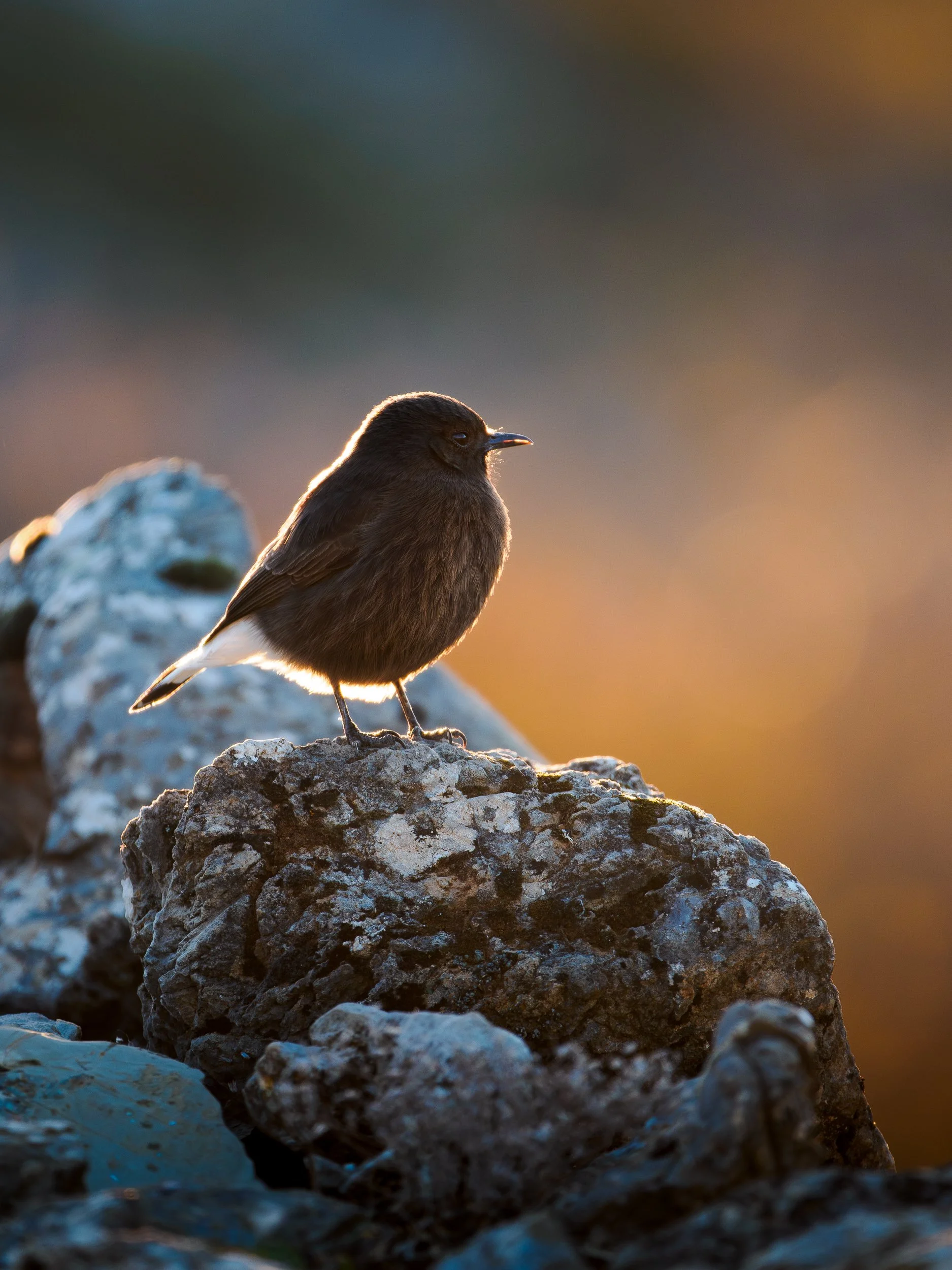
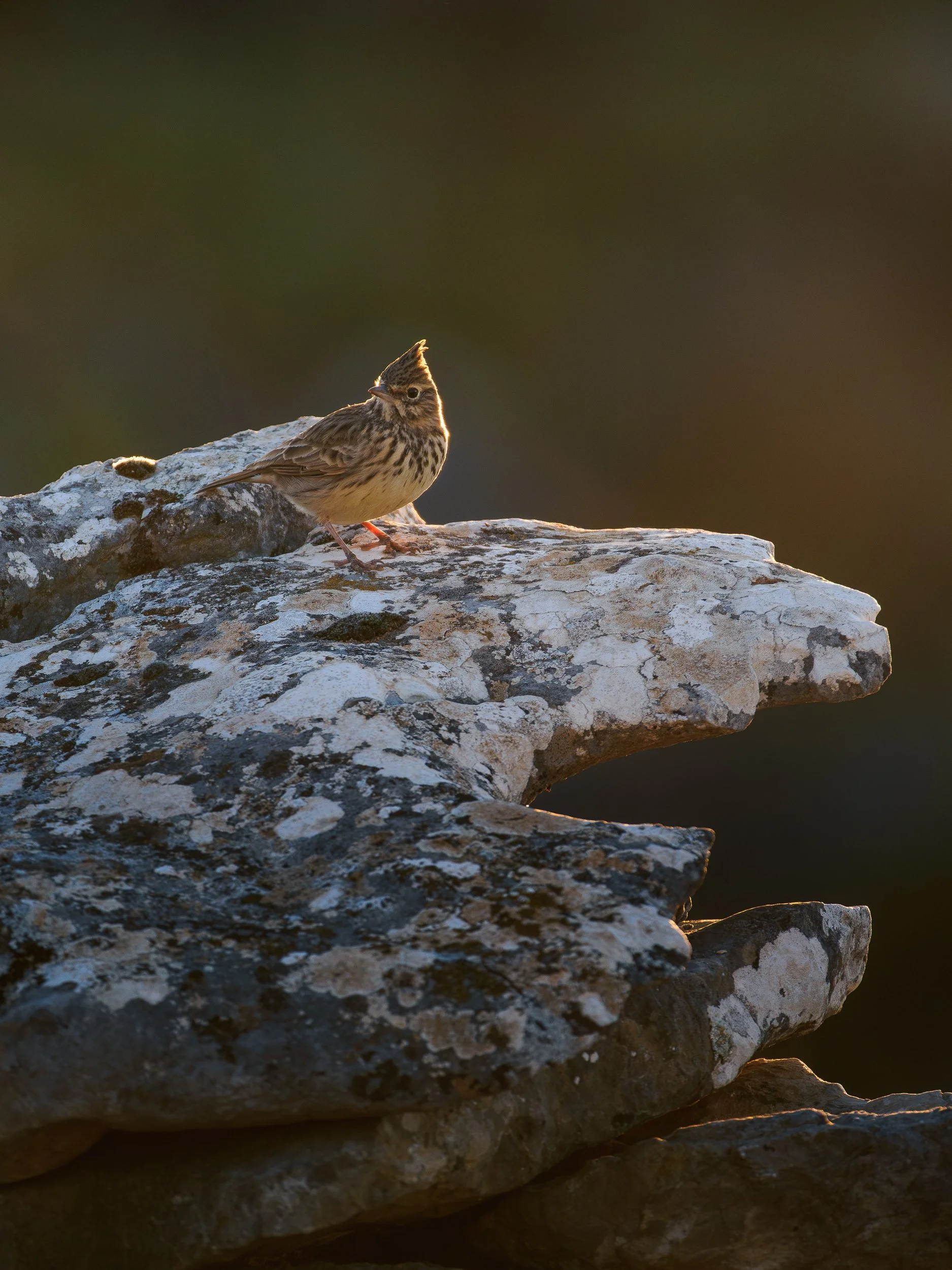
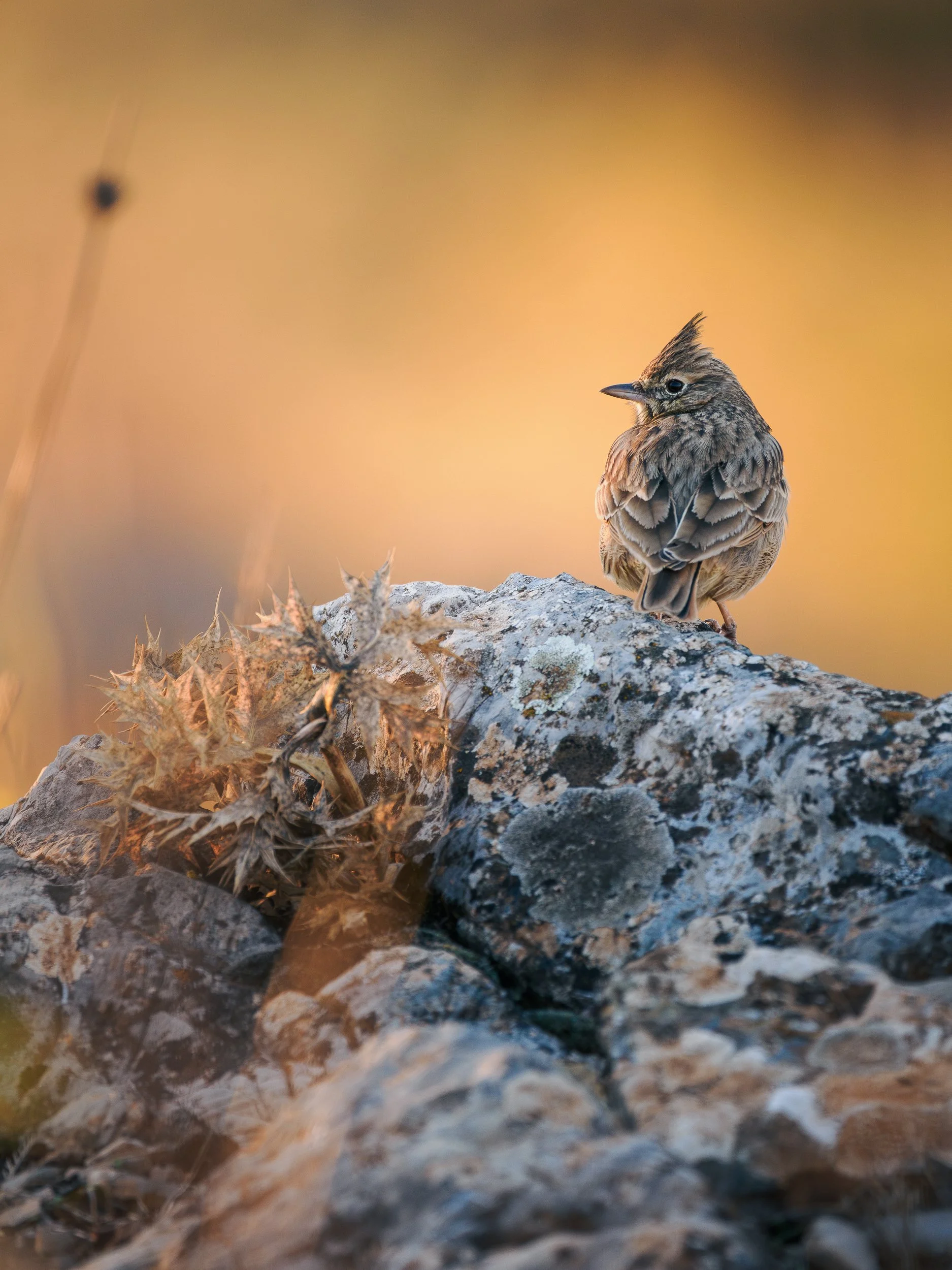
The next day was set up for bird photography in the hills, where Alvaro had set up some hides, which were perfect to start with. There were a lot of small birds, but the best part was the Black Wheatears that surrounded the area. We even managed to come back later in the evening to photograph them against the setting sun. I guess in the end that was my favourite part of Ronda, as it captured the feeling of the area and its birds so well.
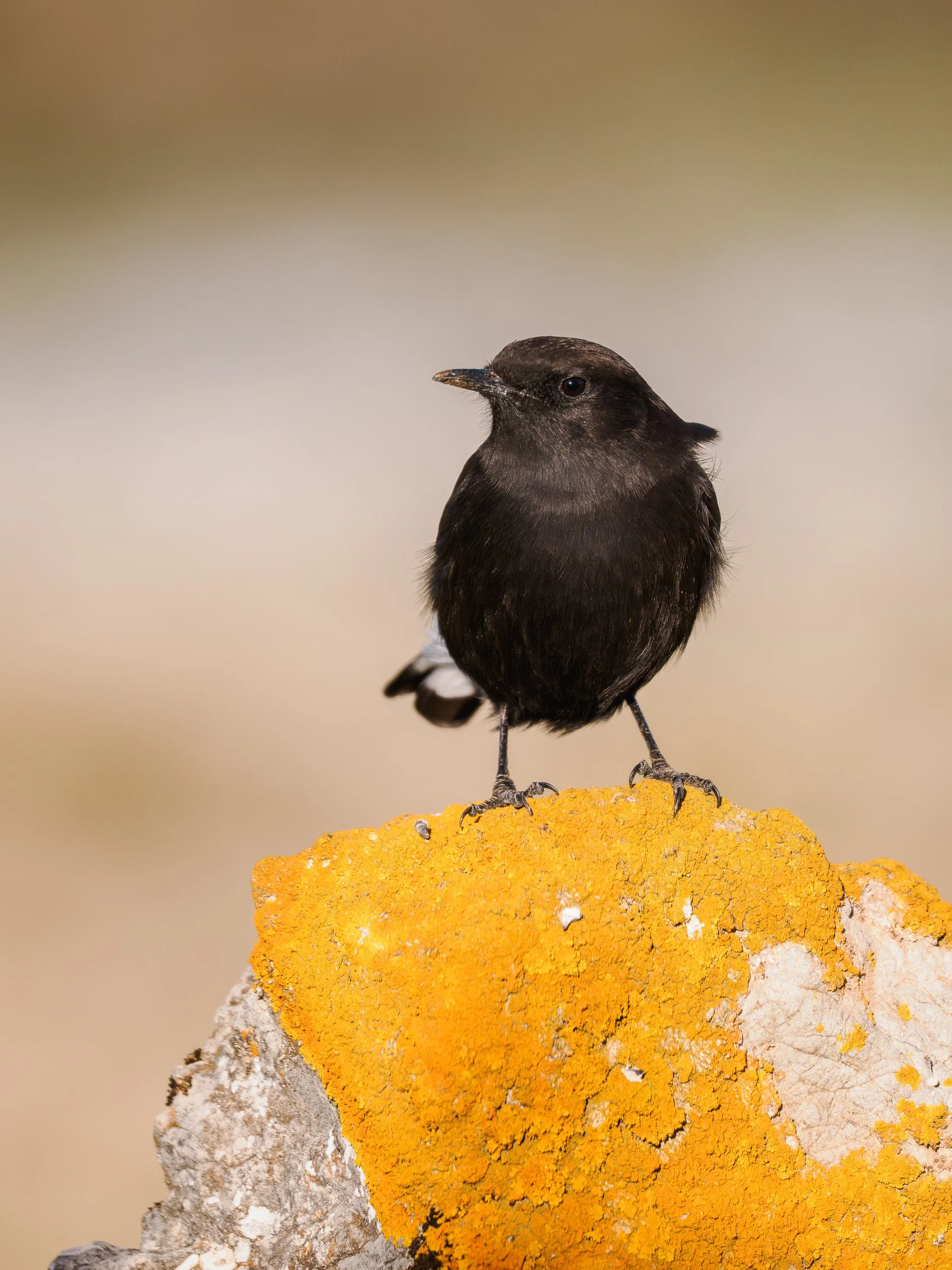
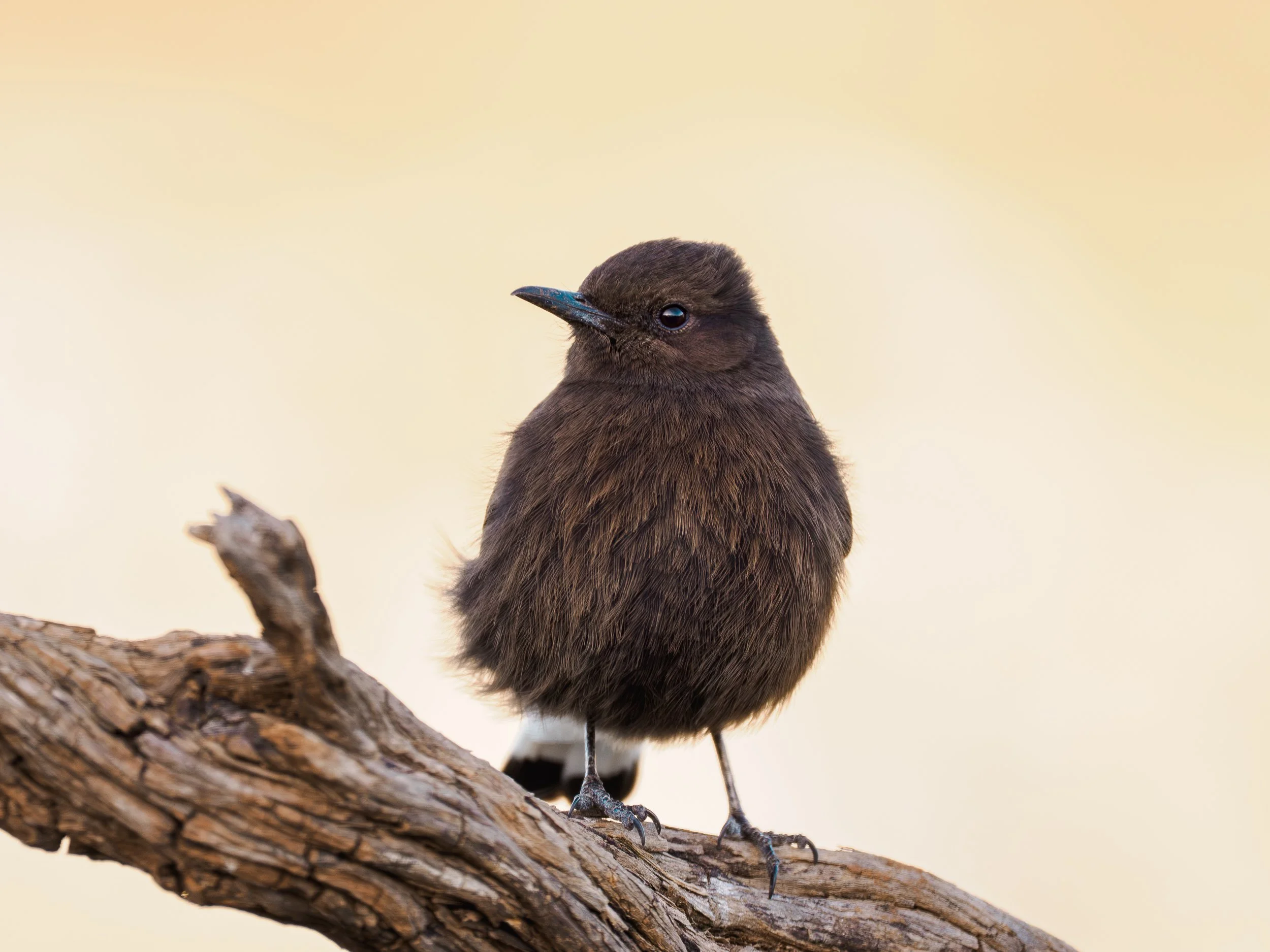
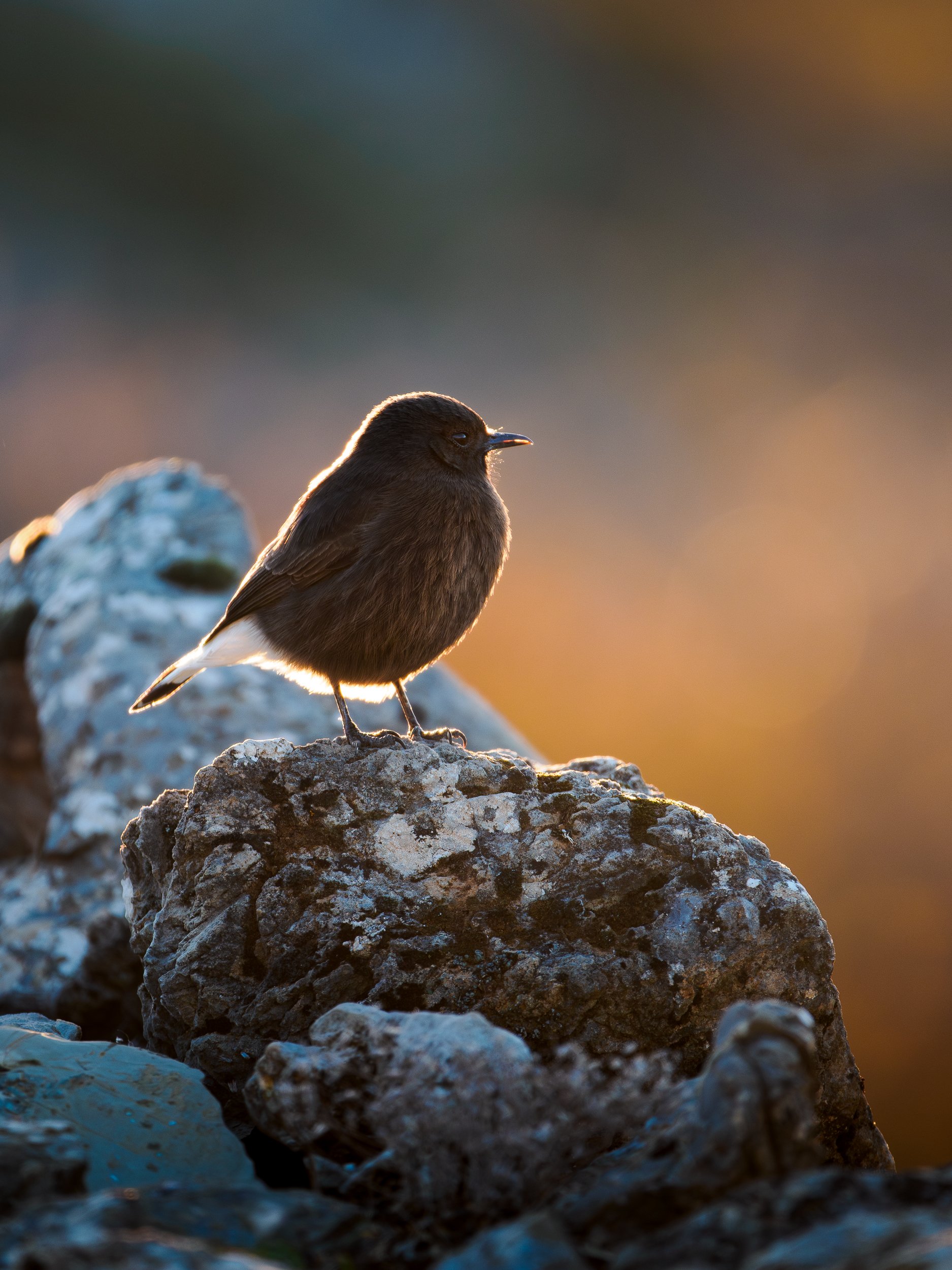
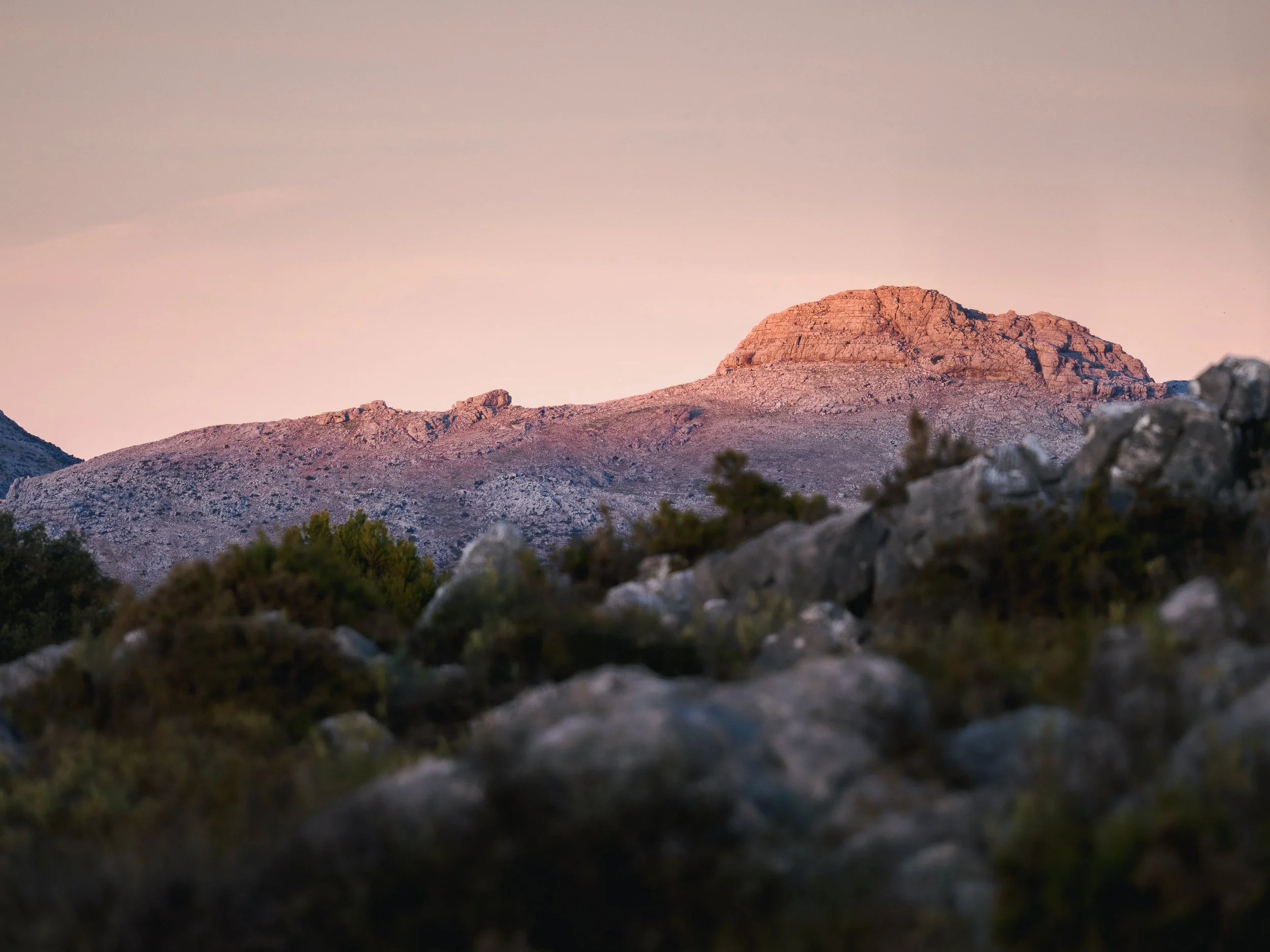
Heading south (Tarifa/Gibraltar area)
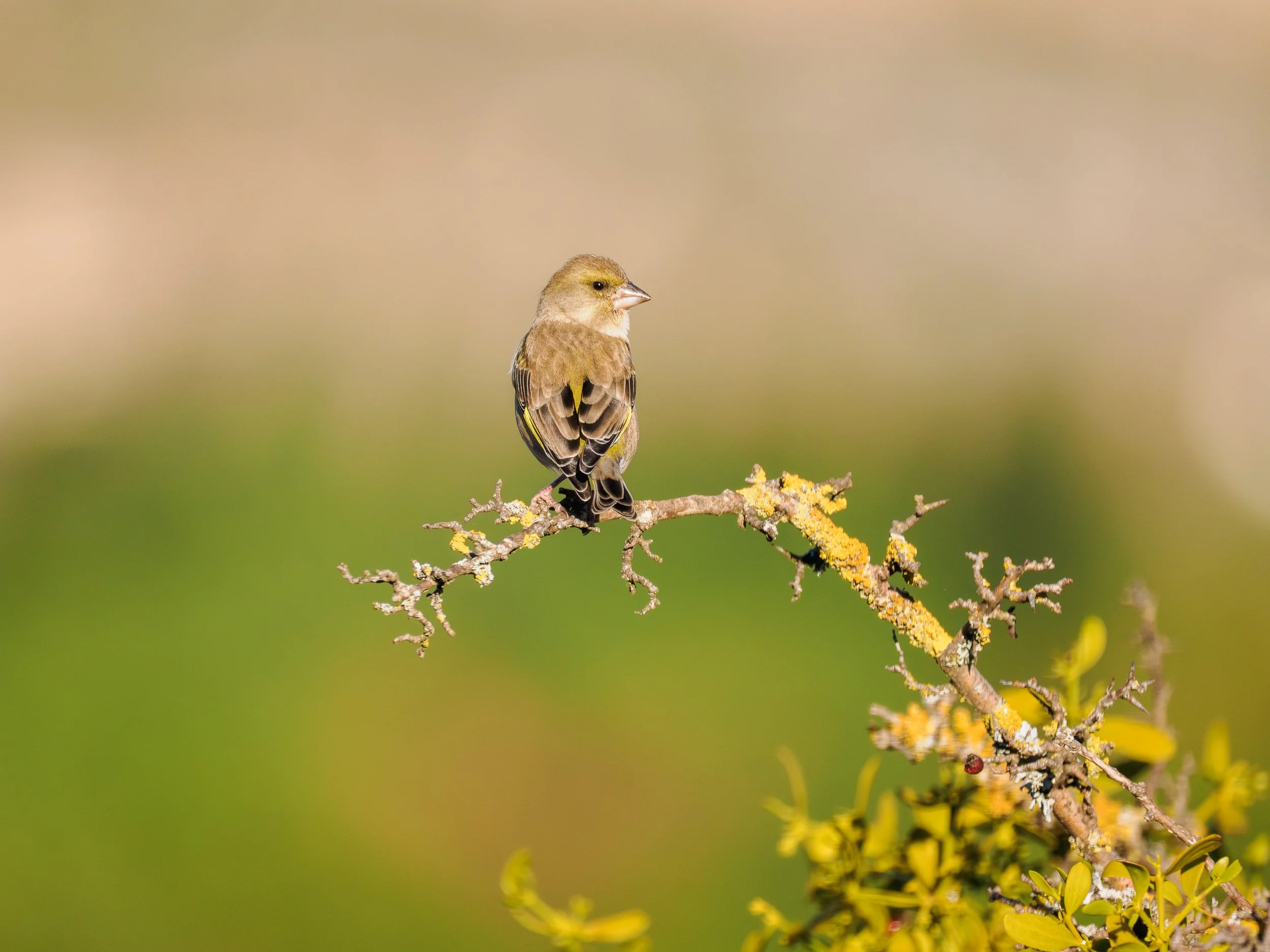
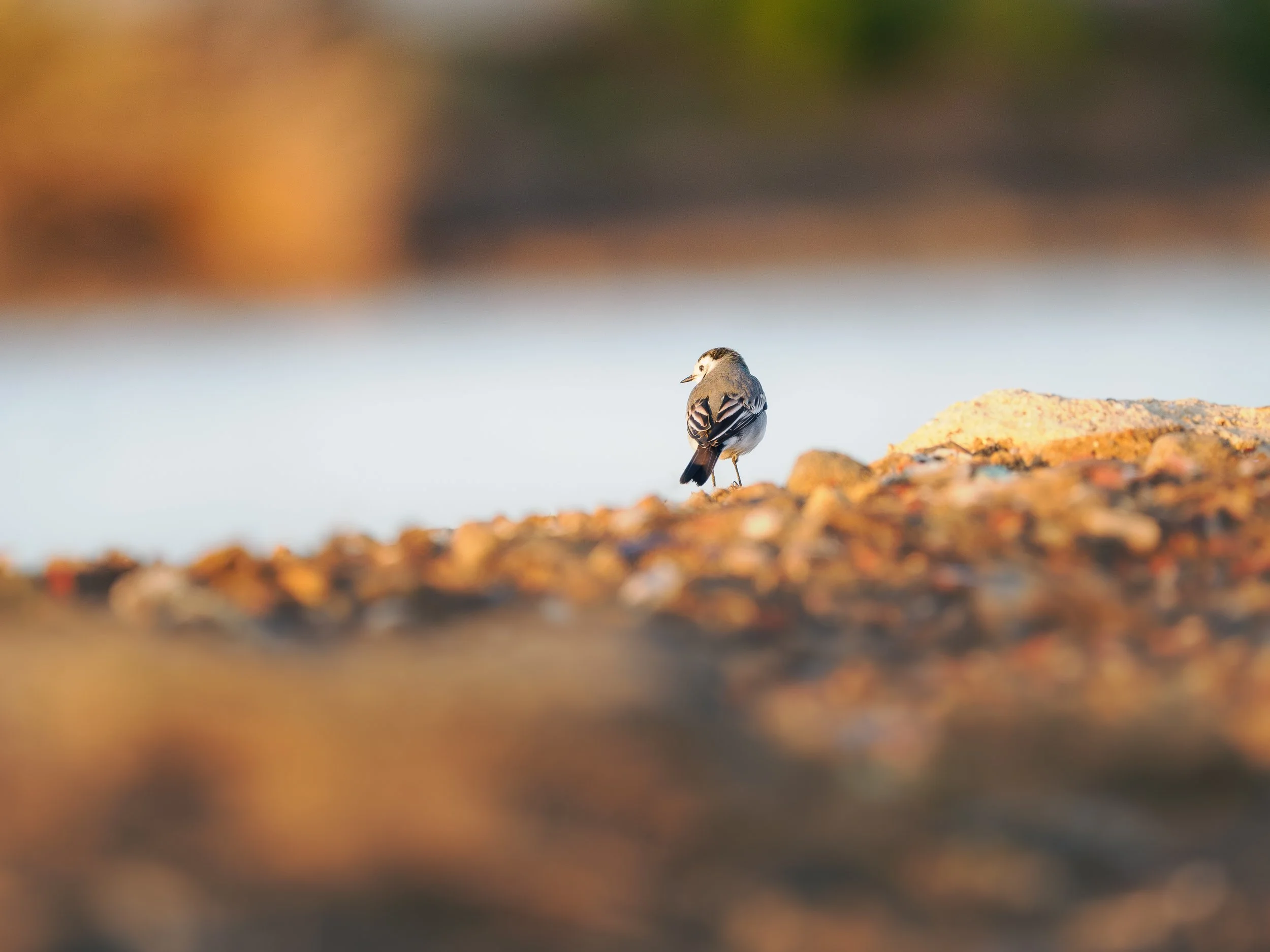
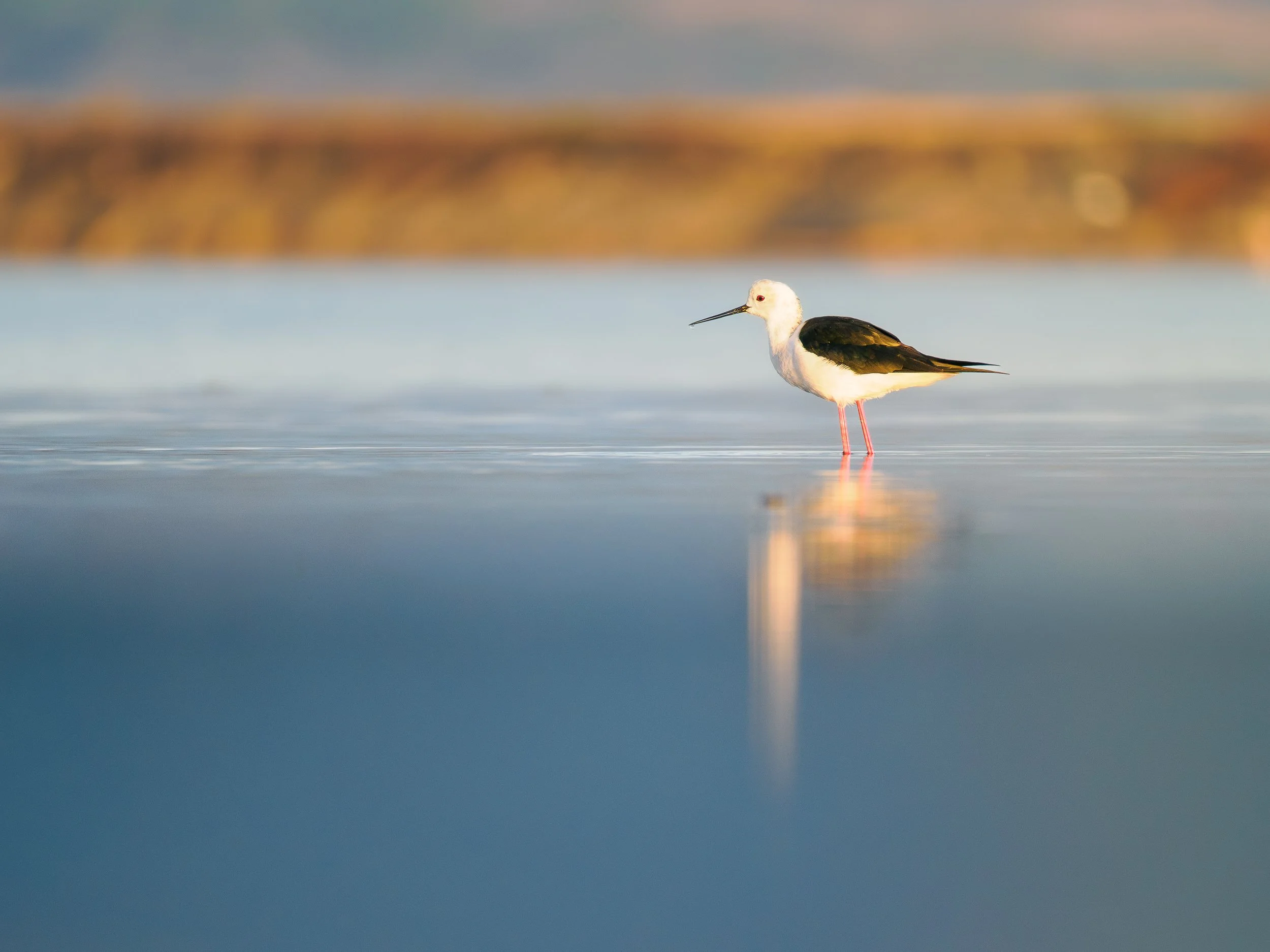
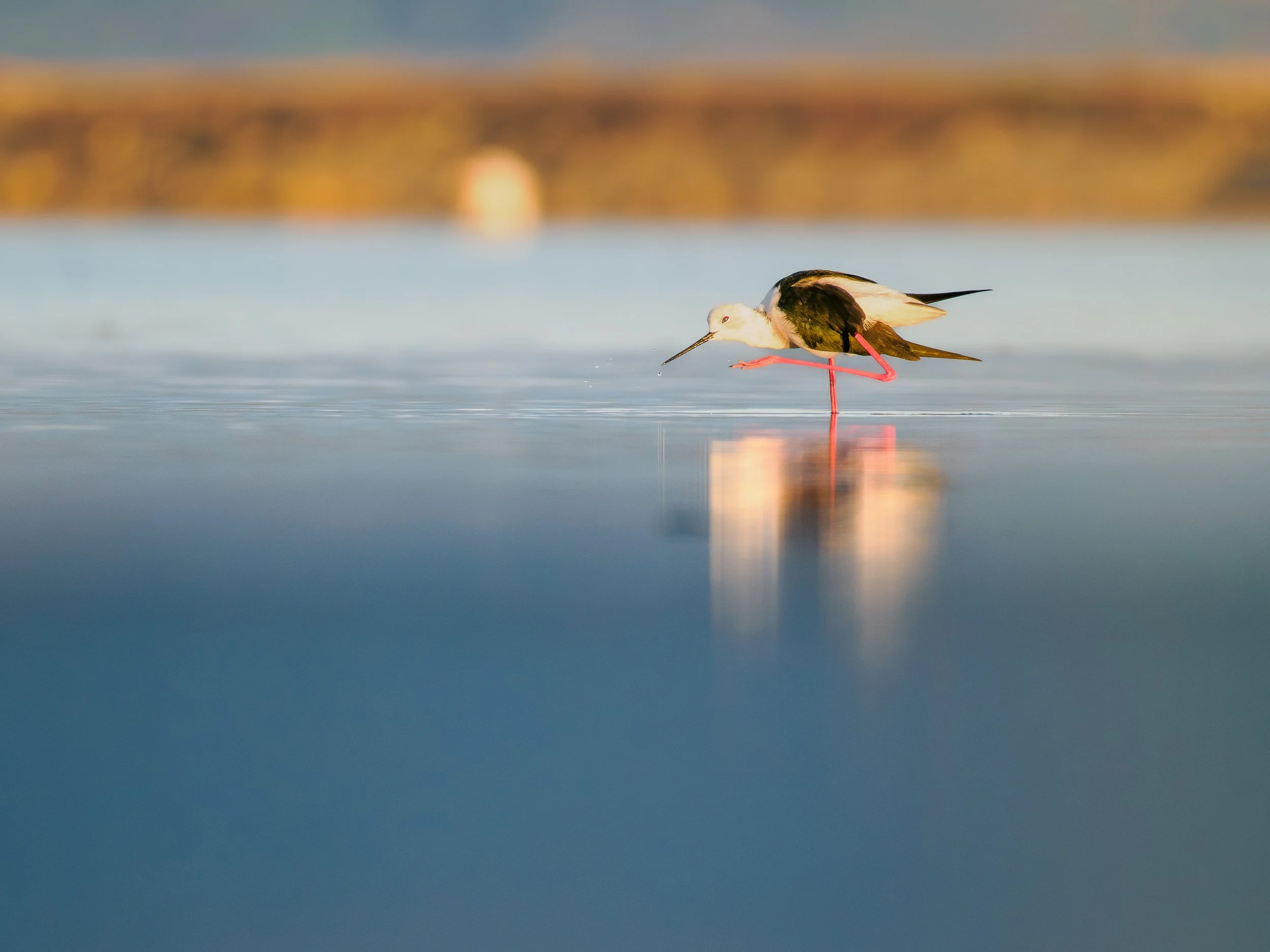
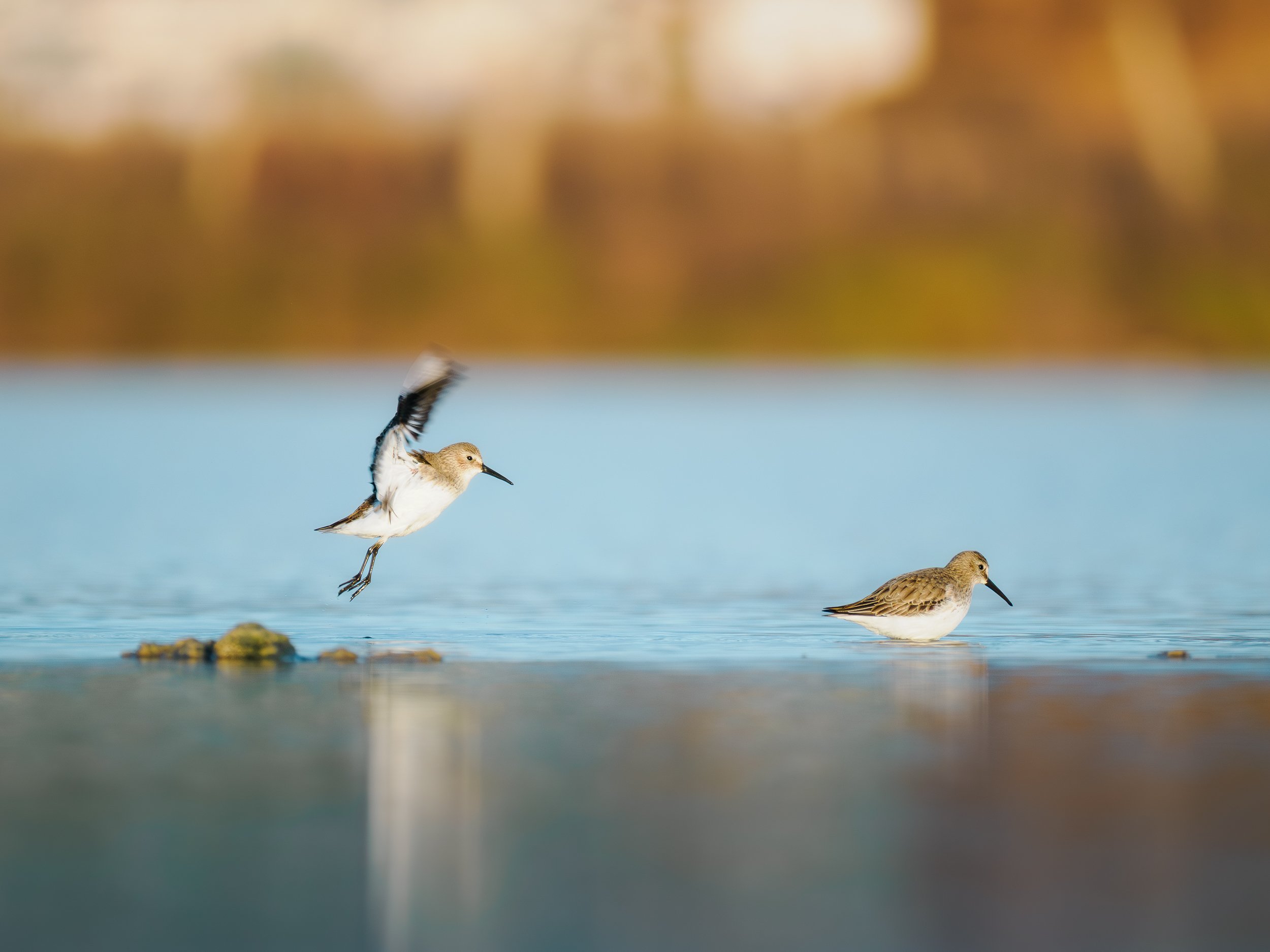
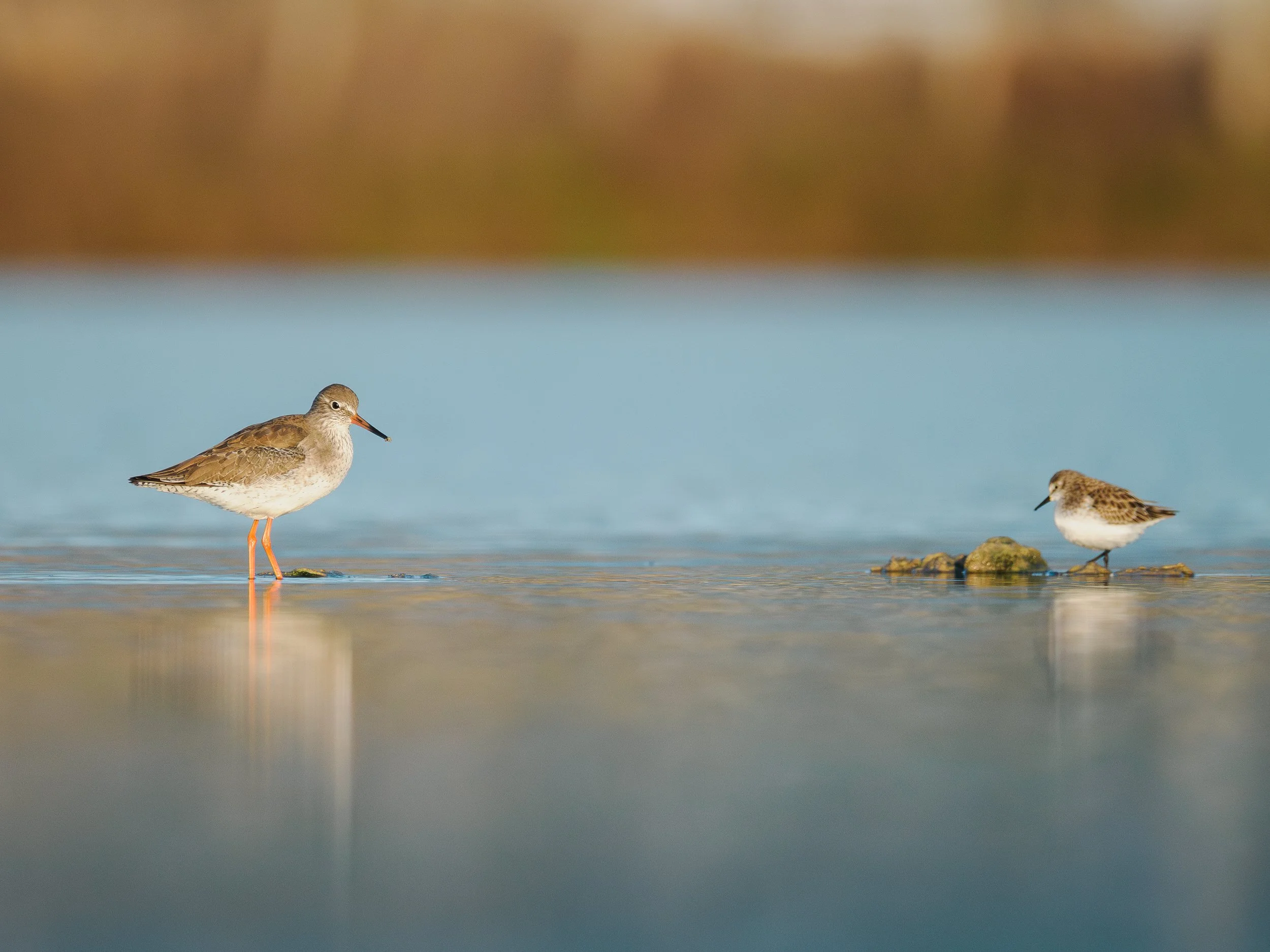
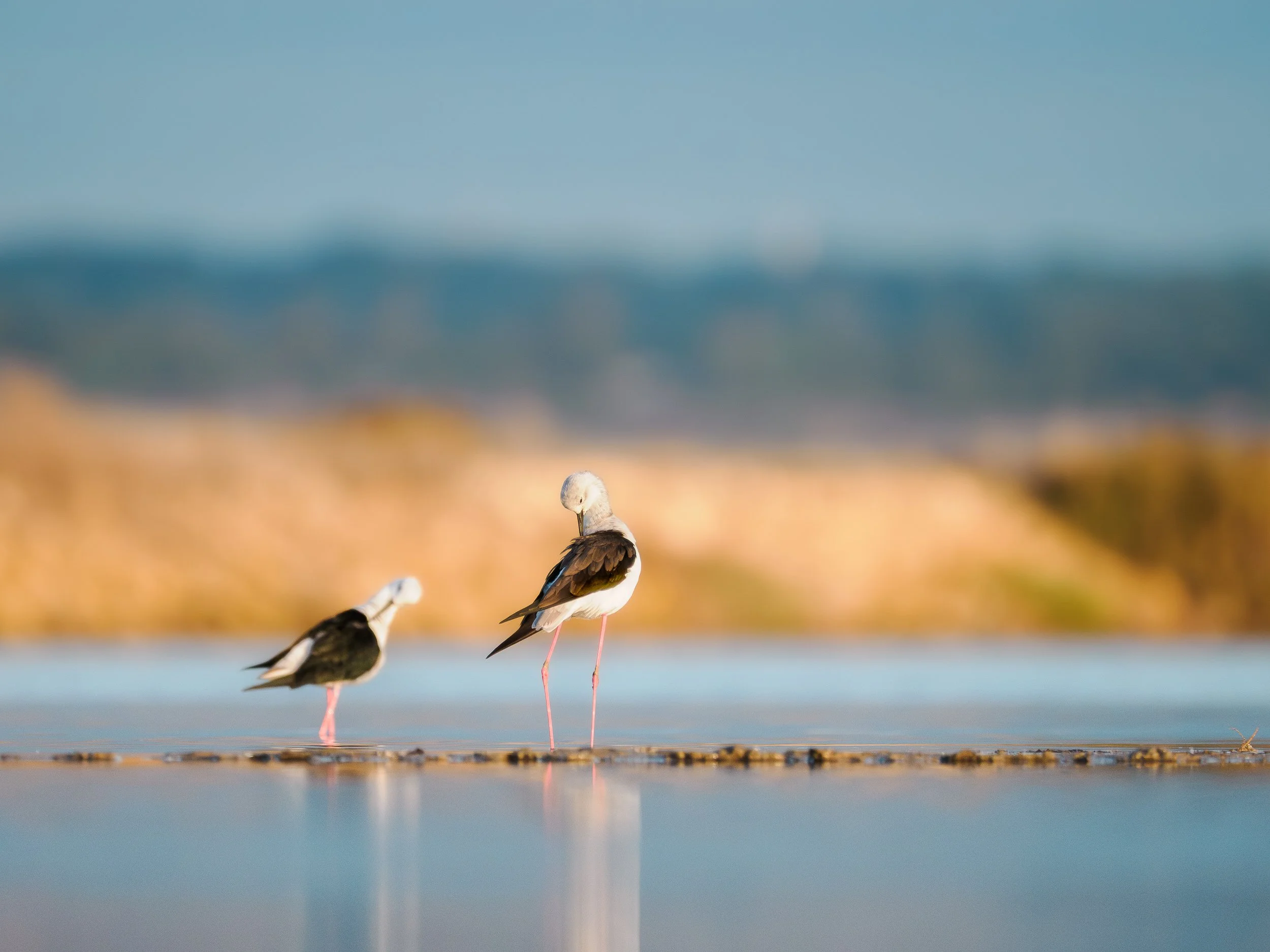
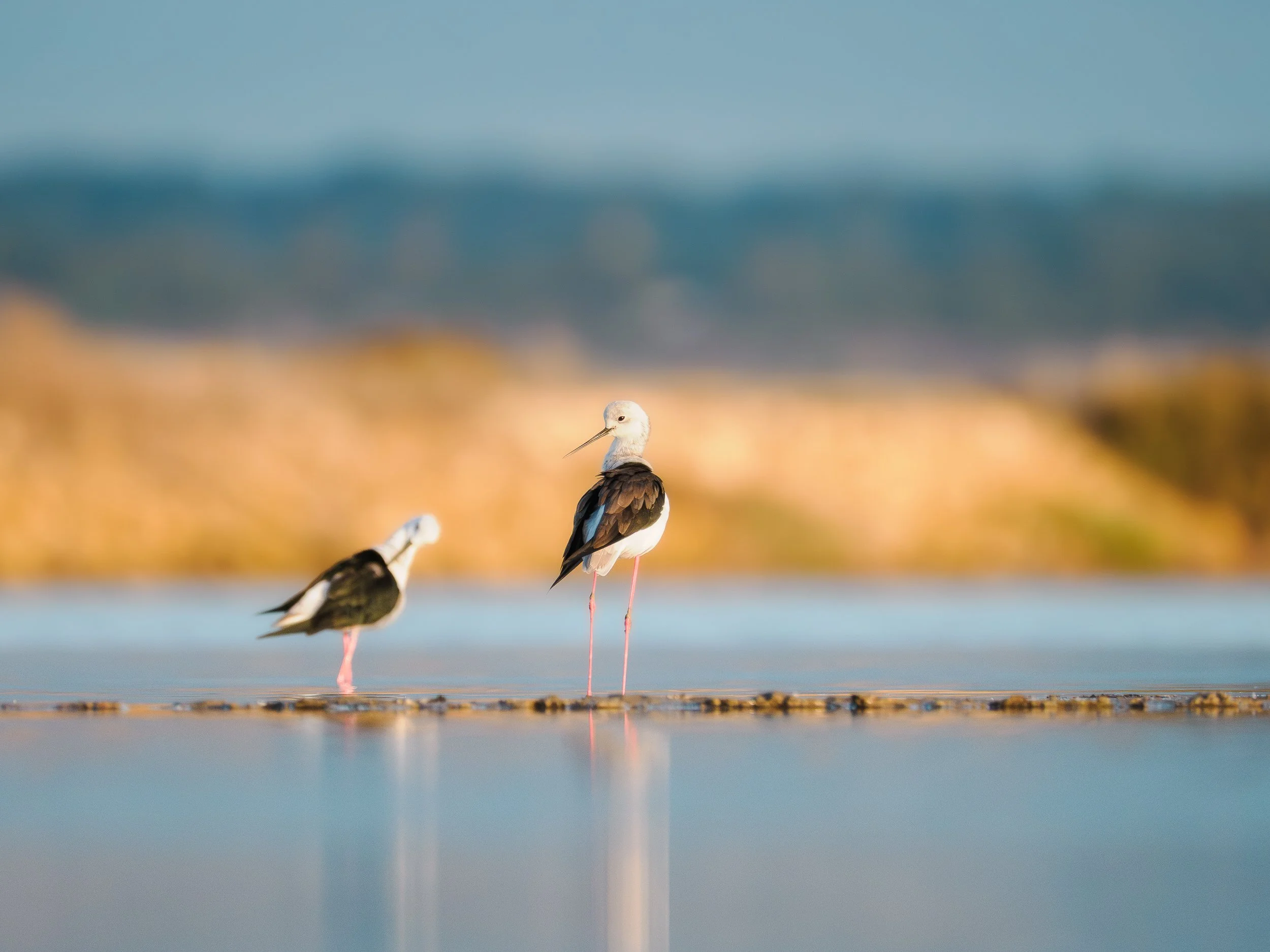
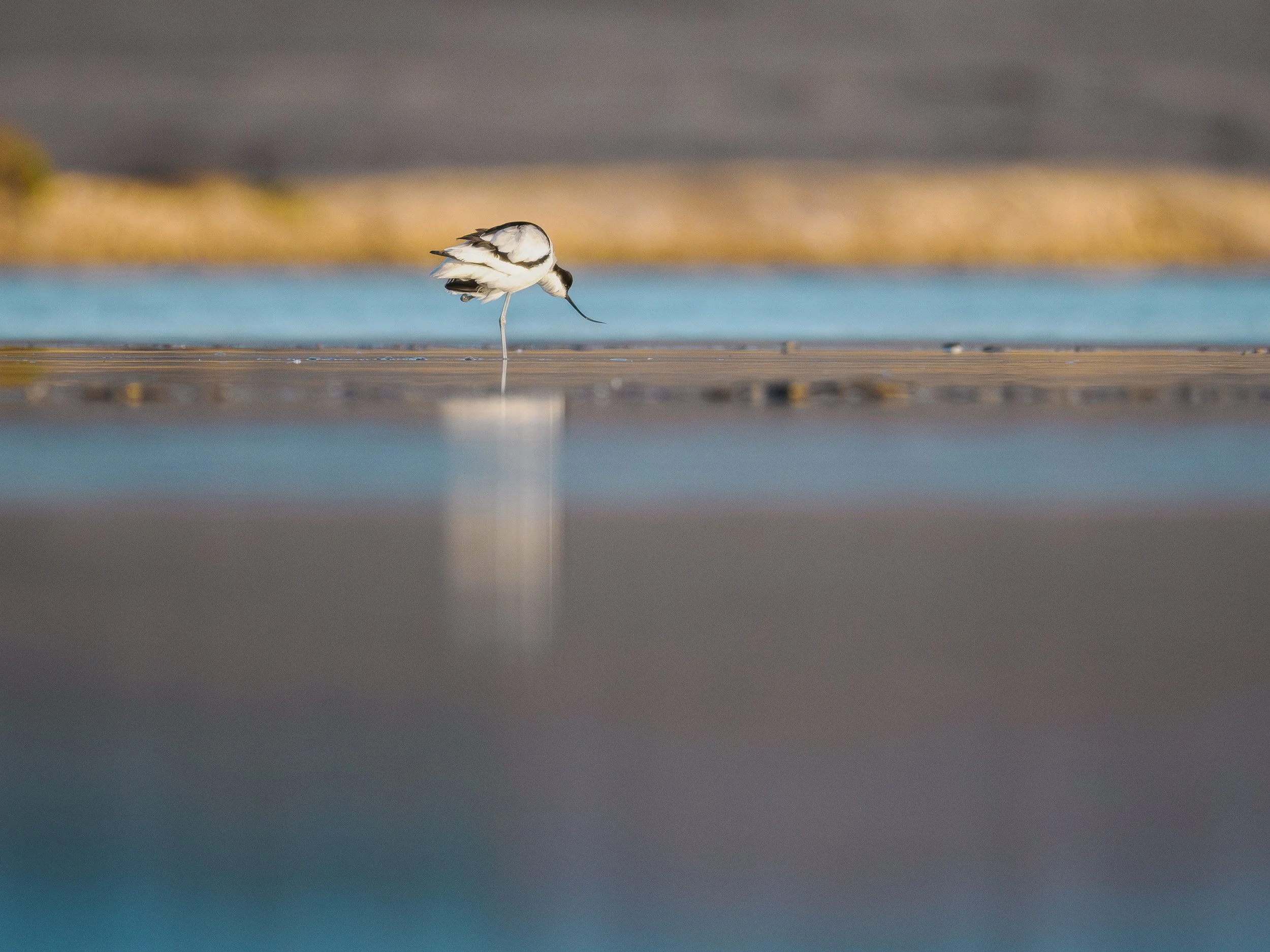
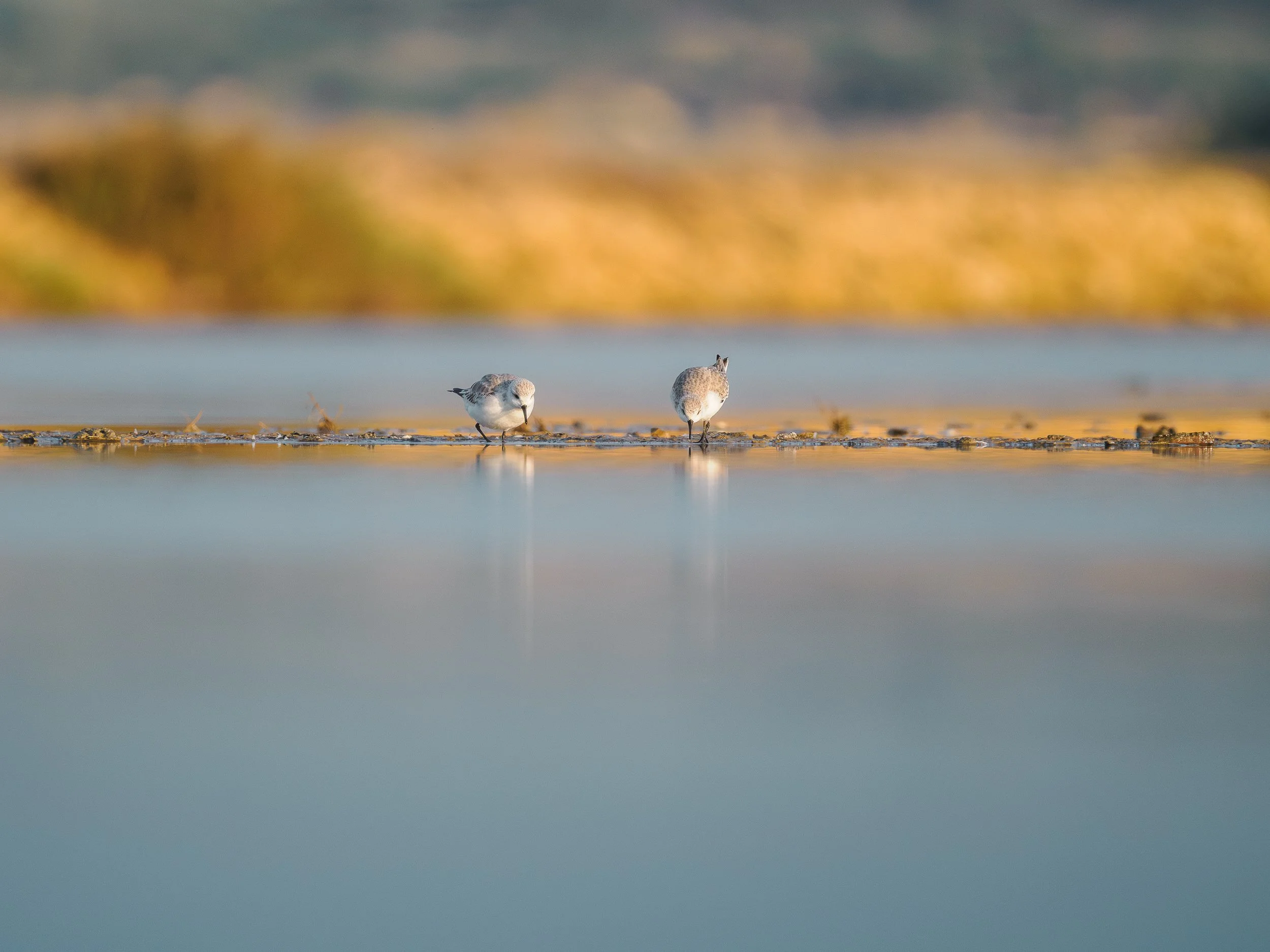
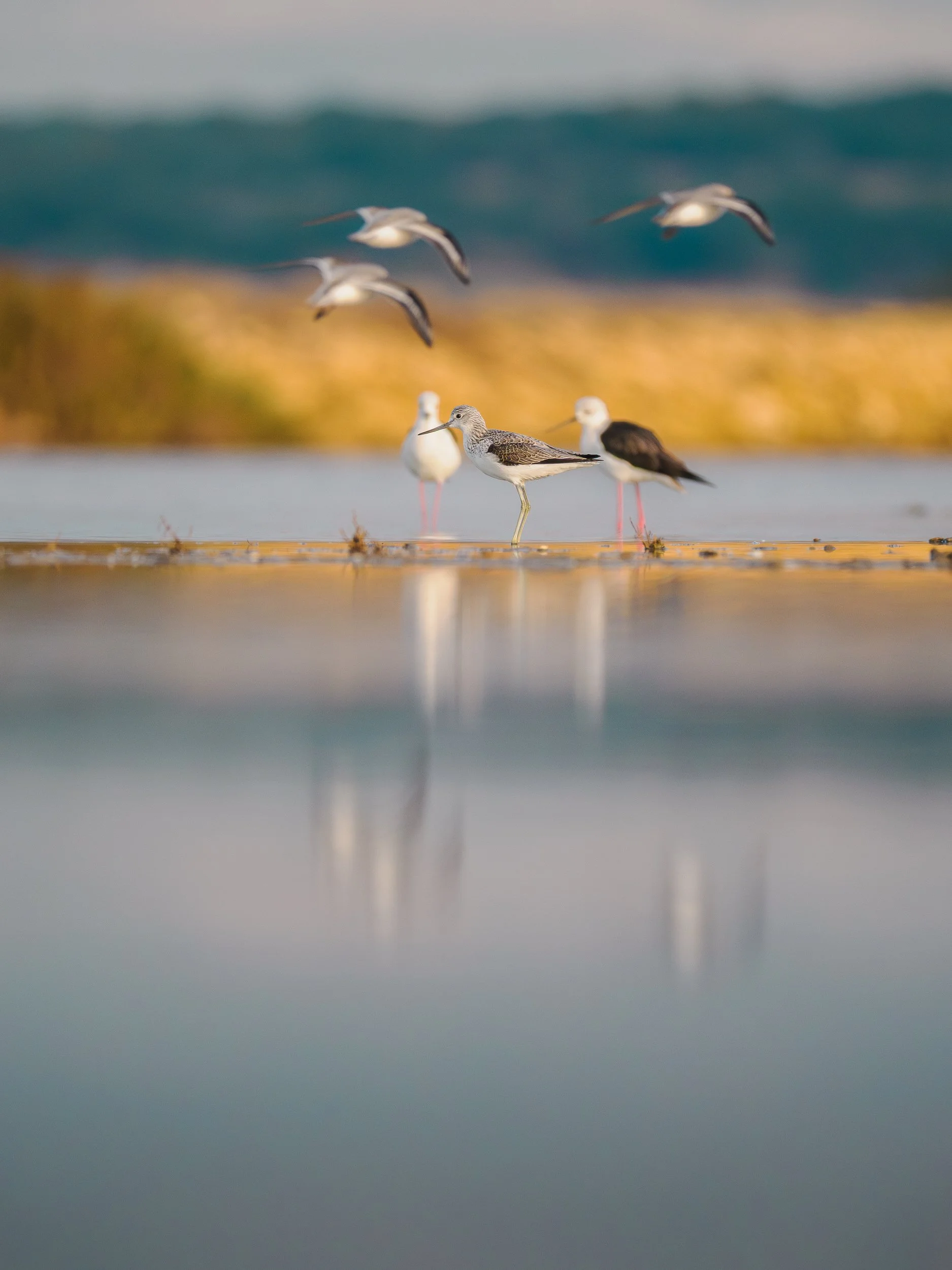
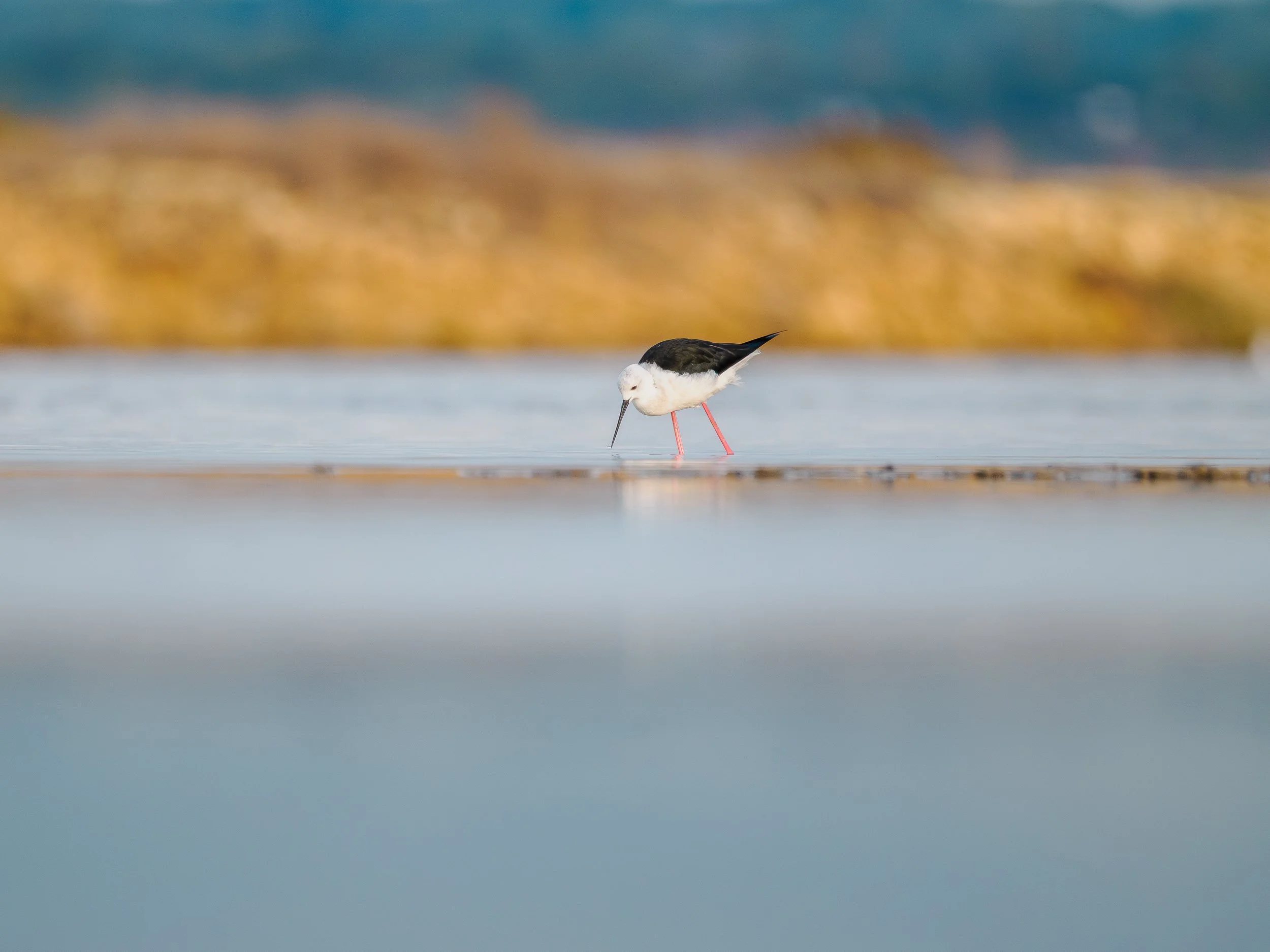
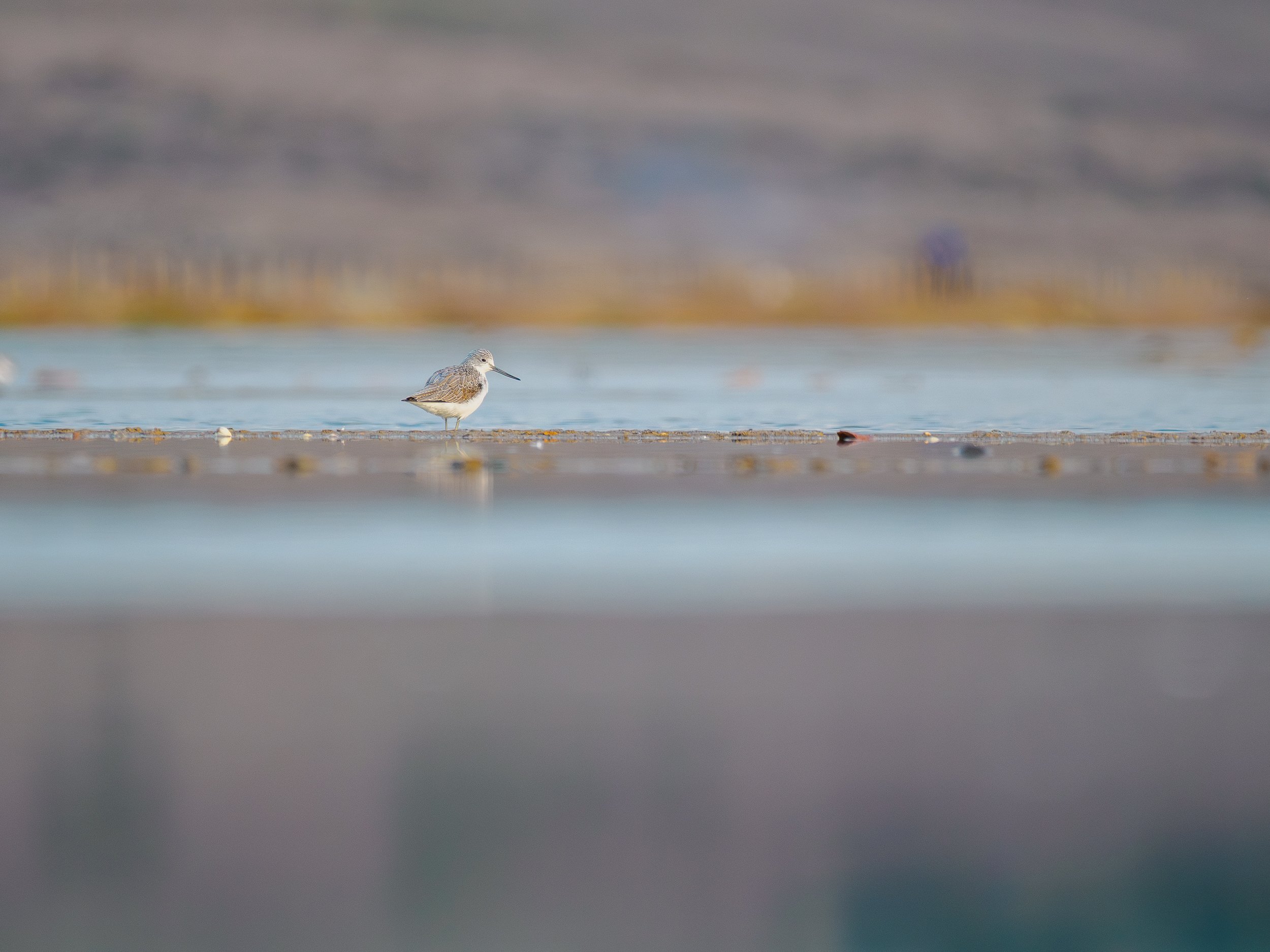
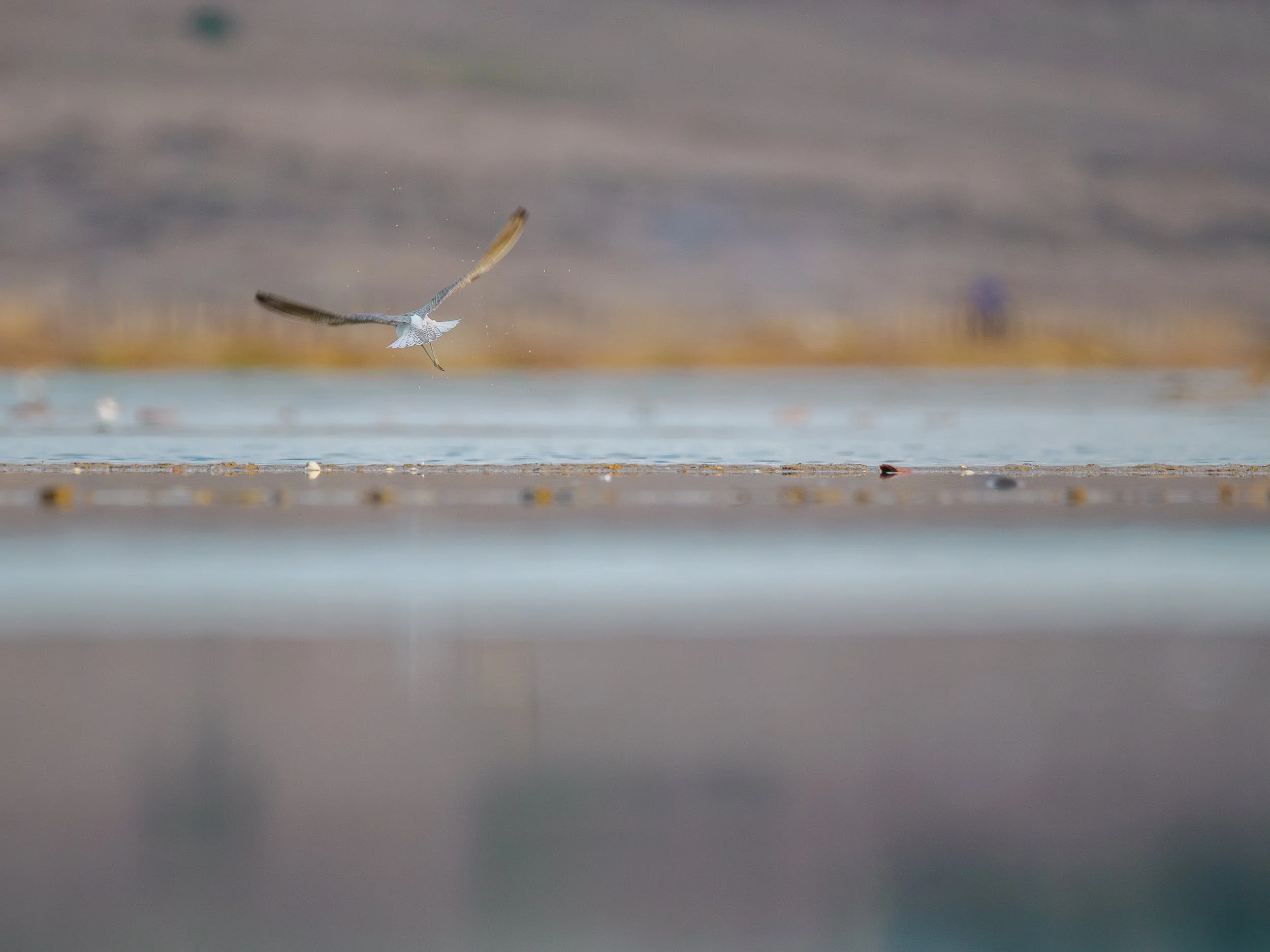
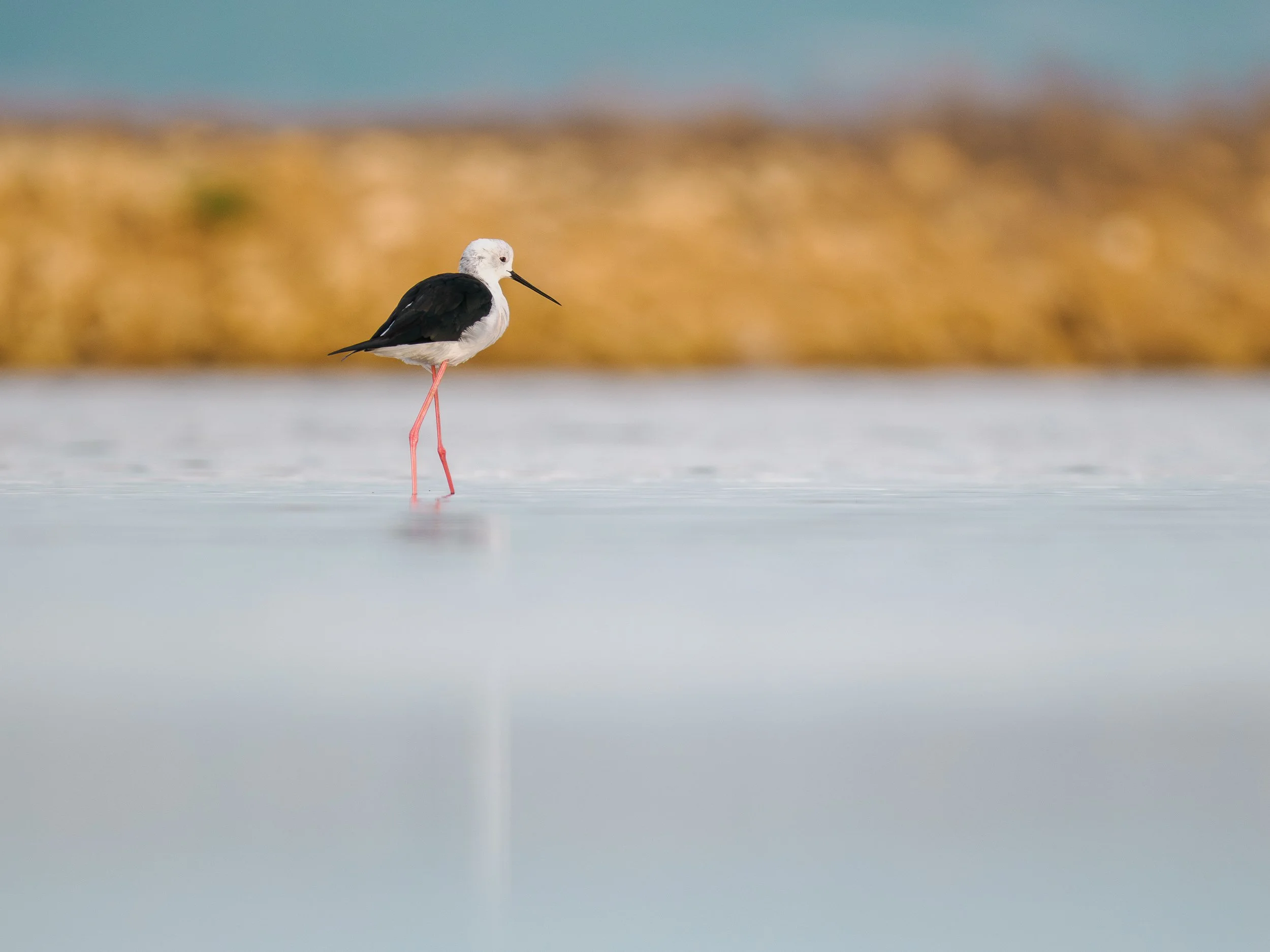
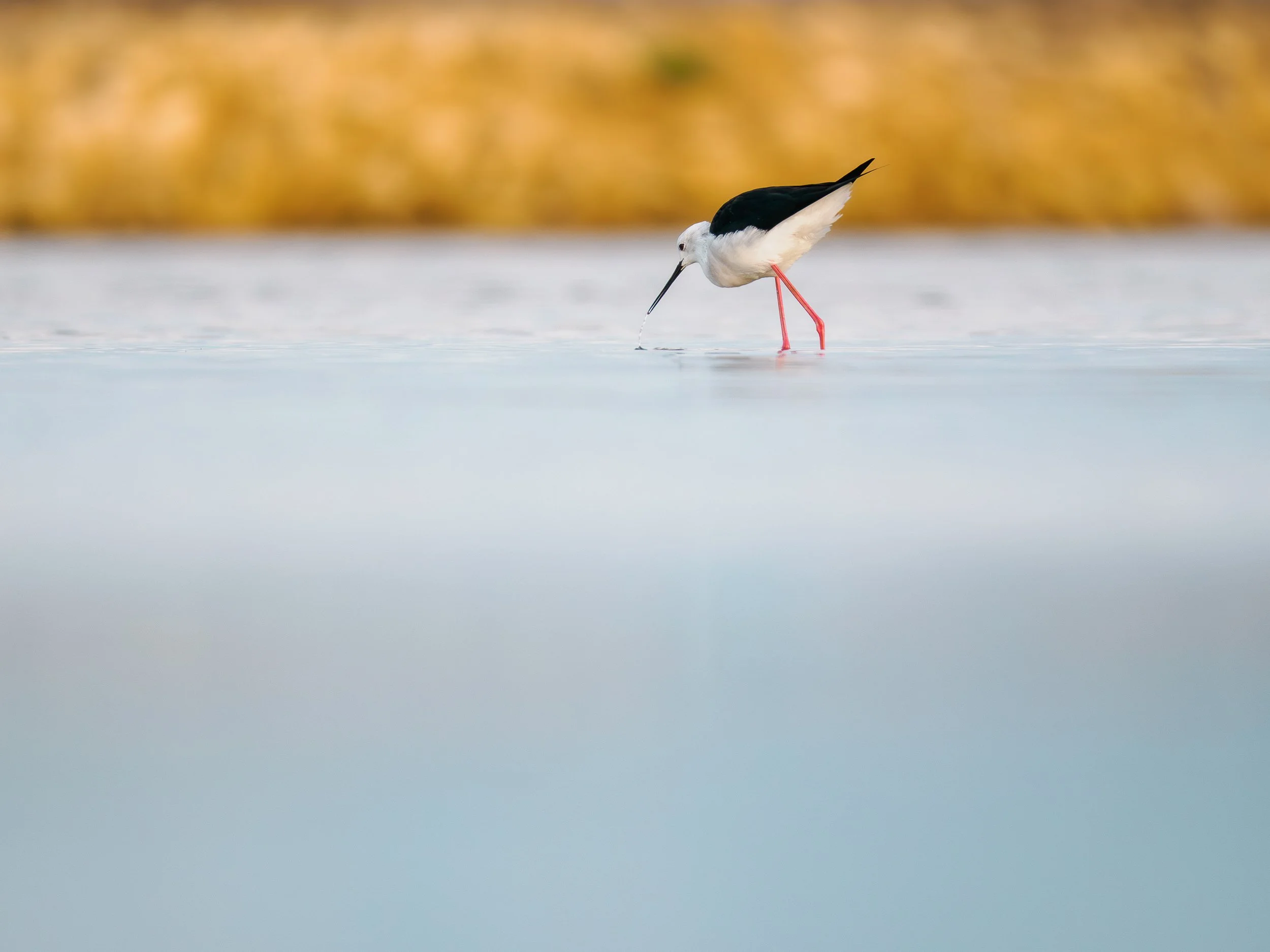
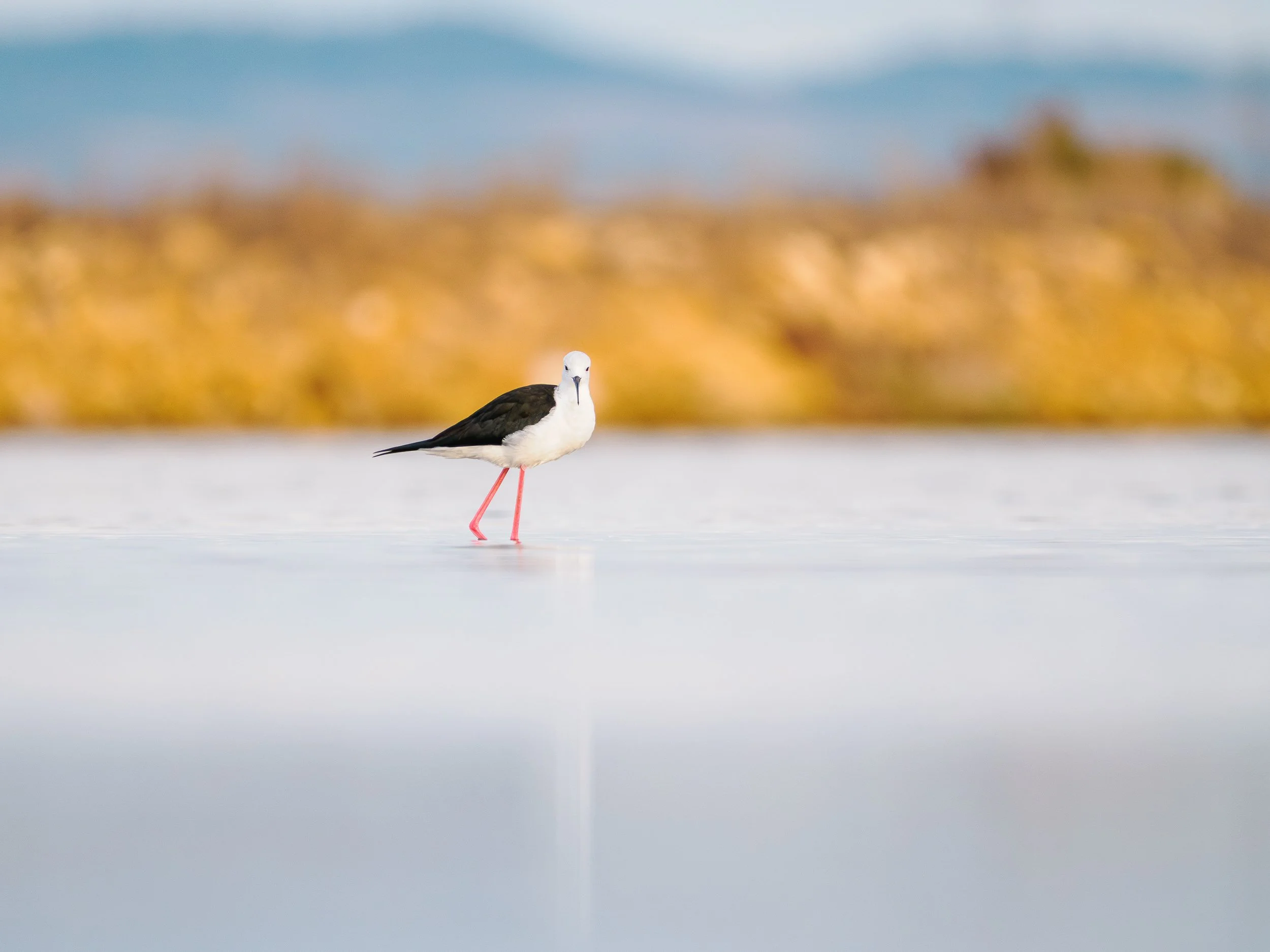
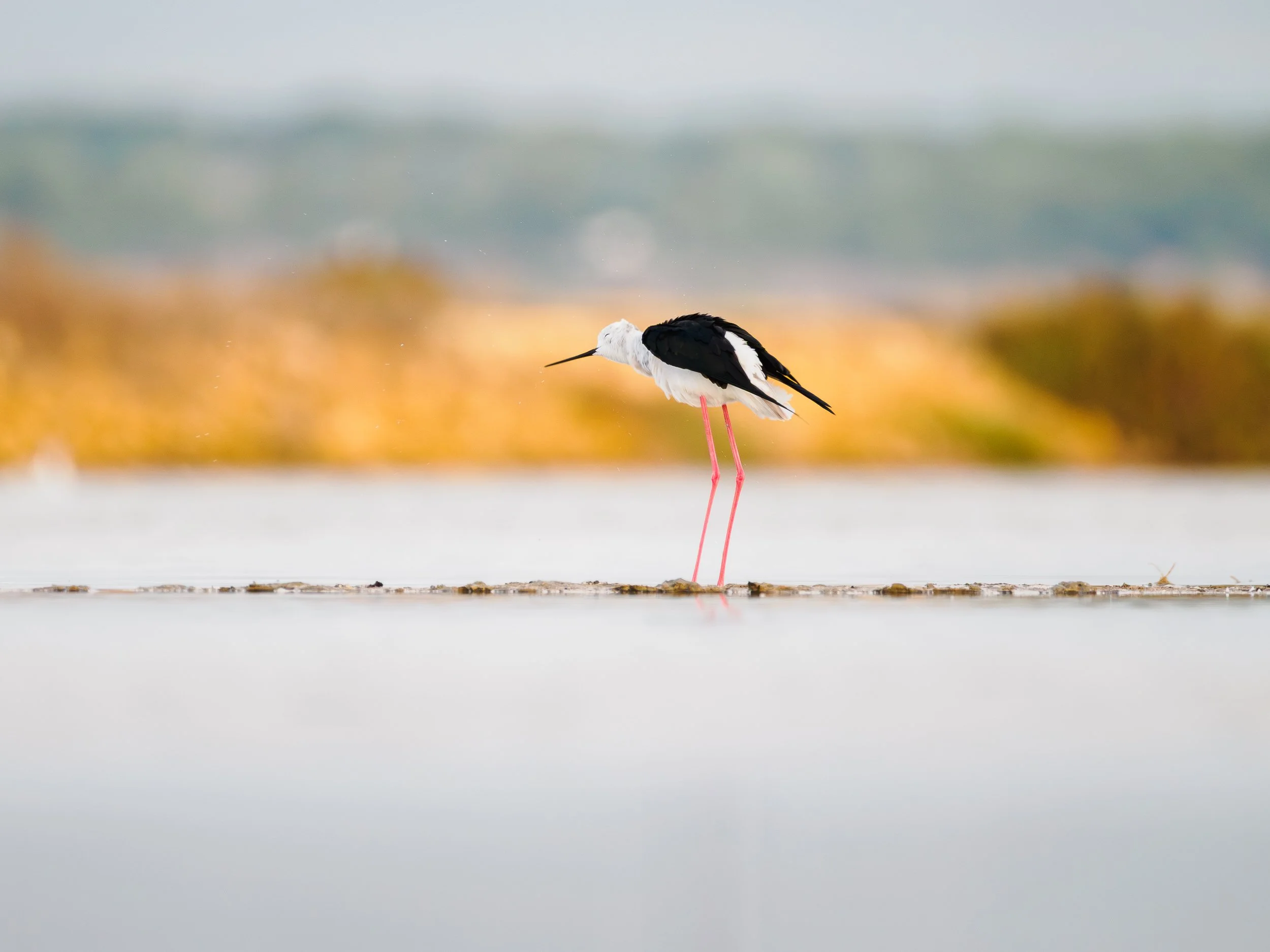
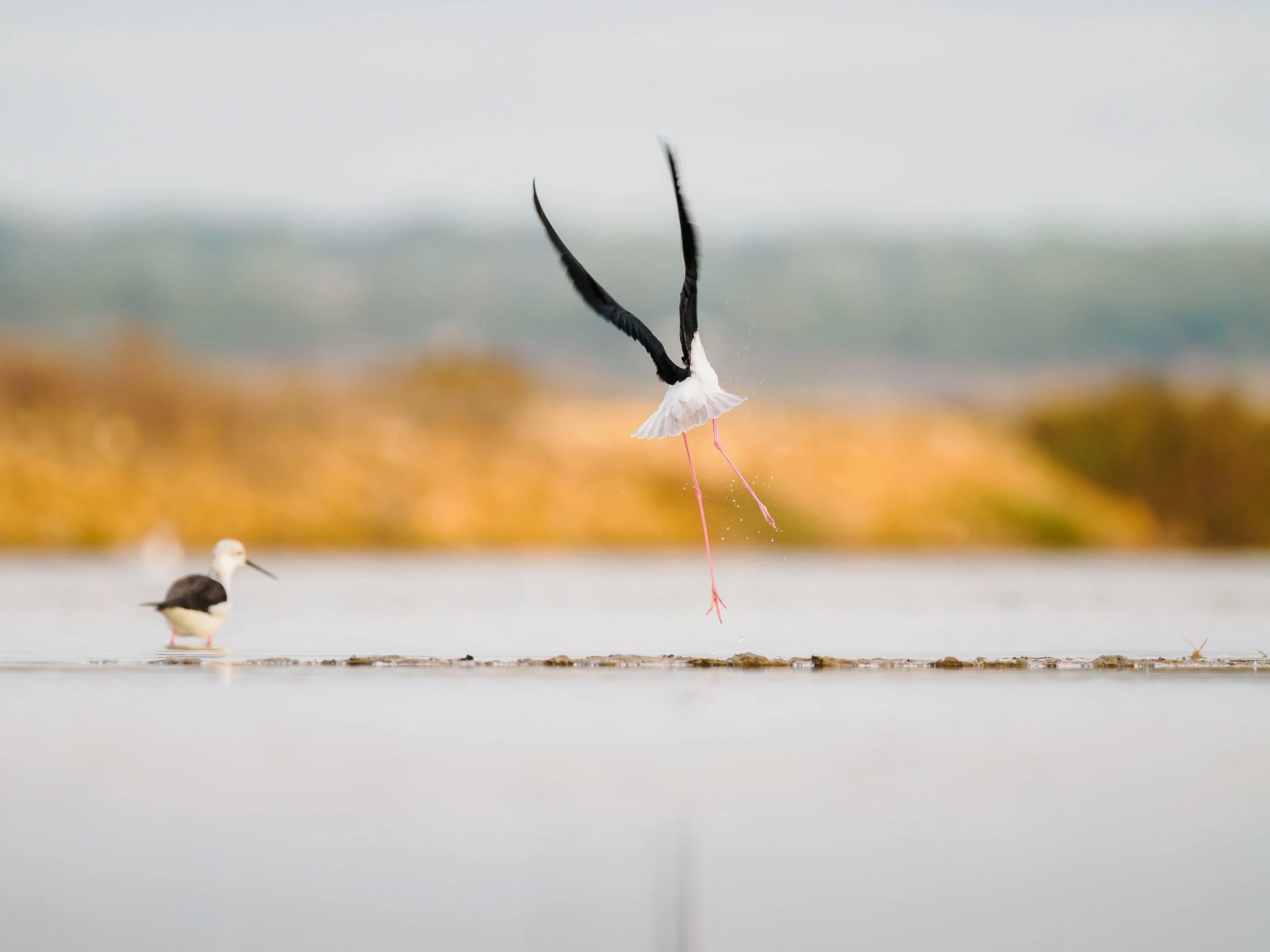
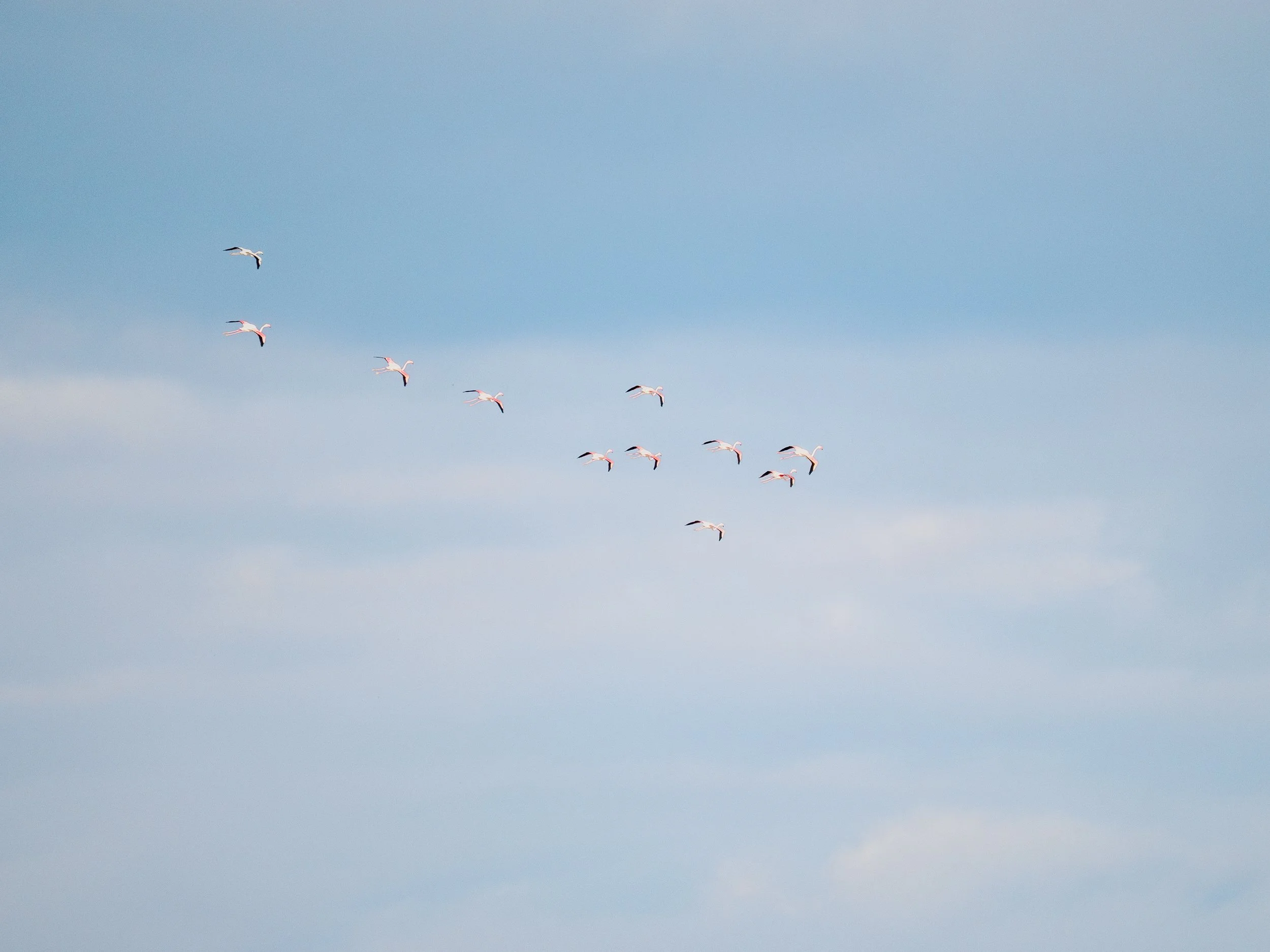
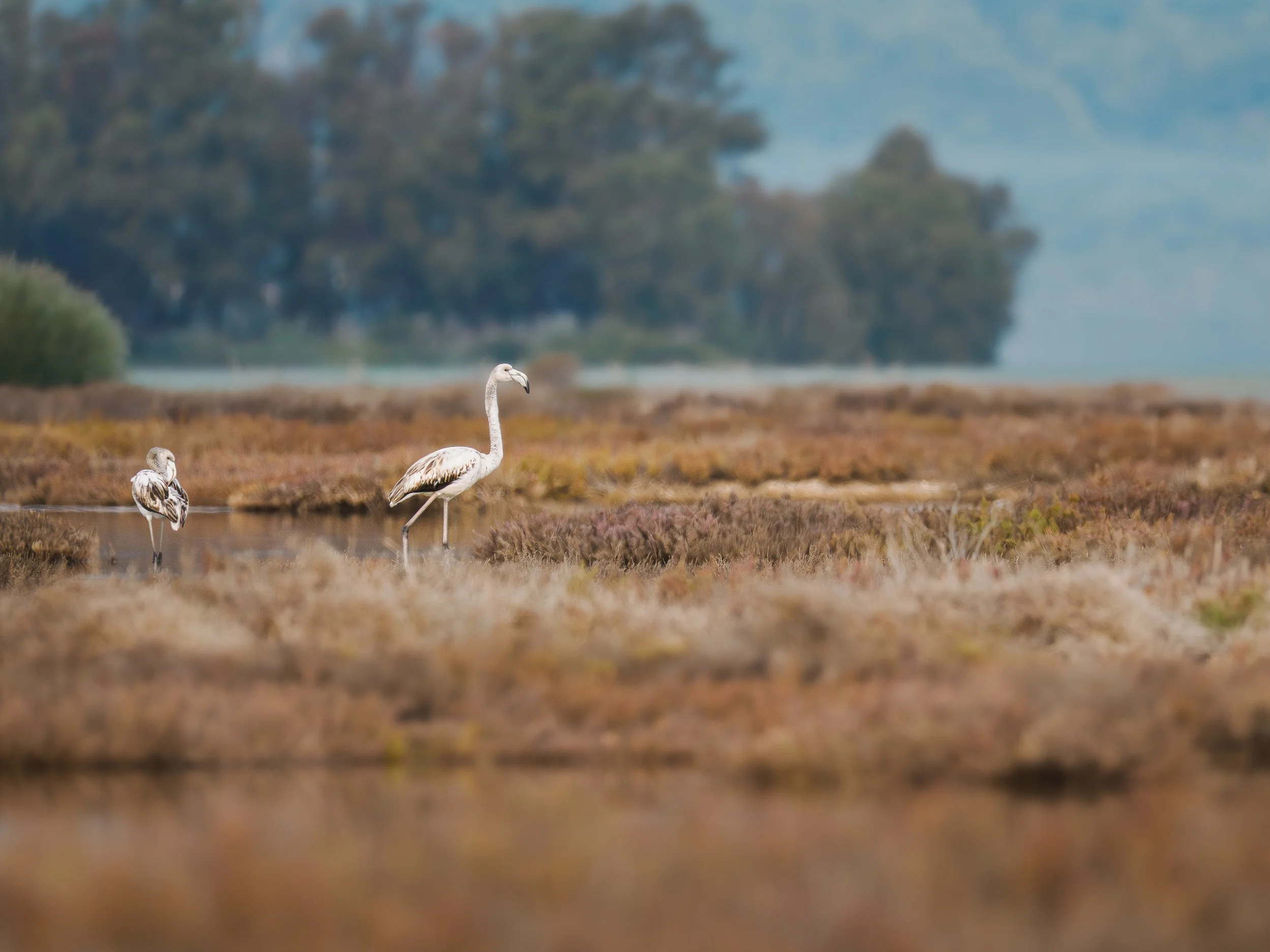
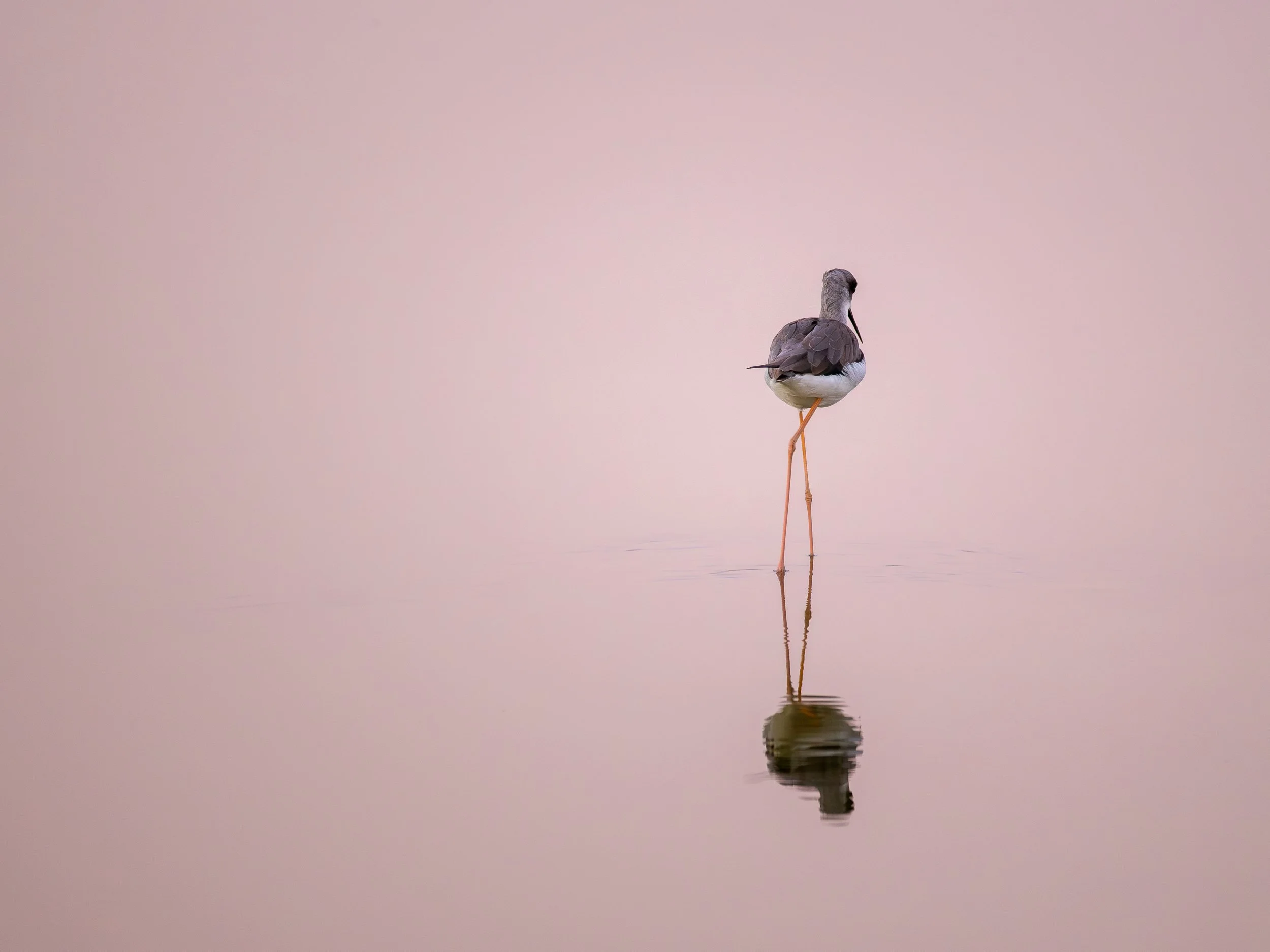
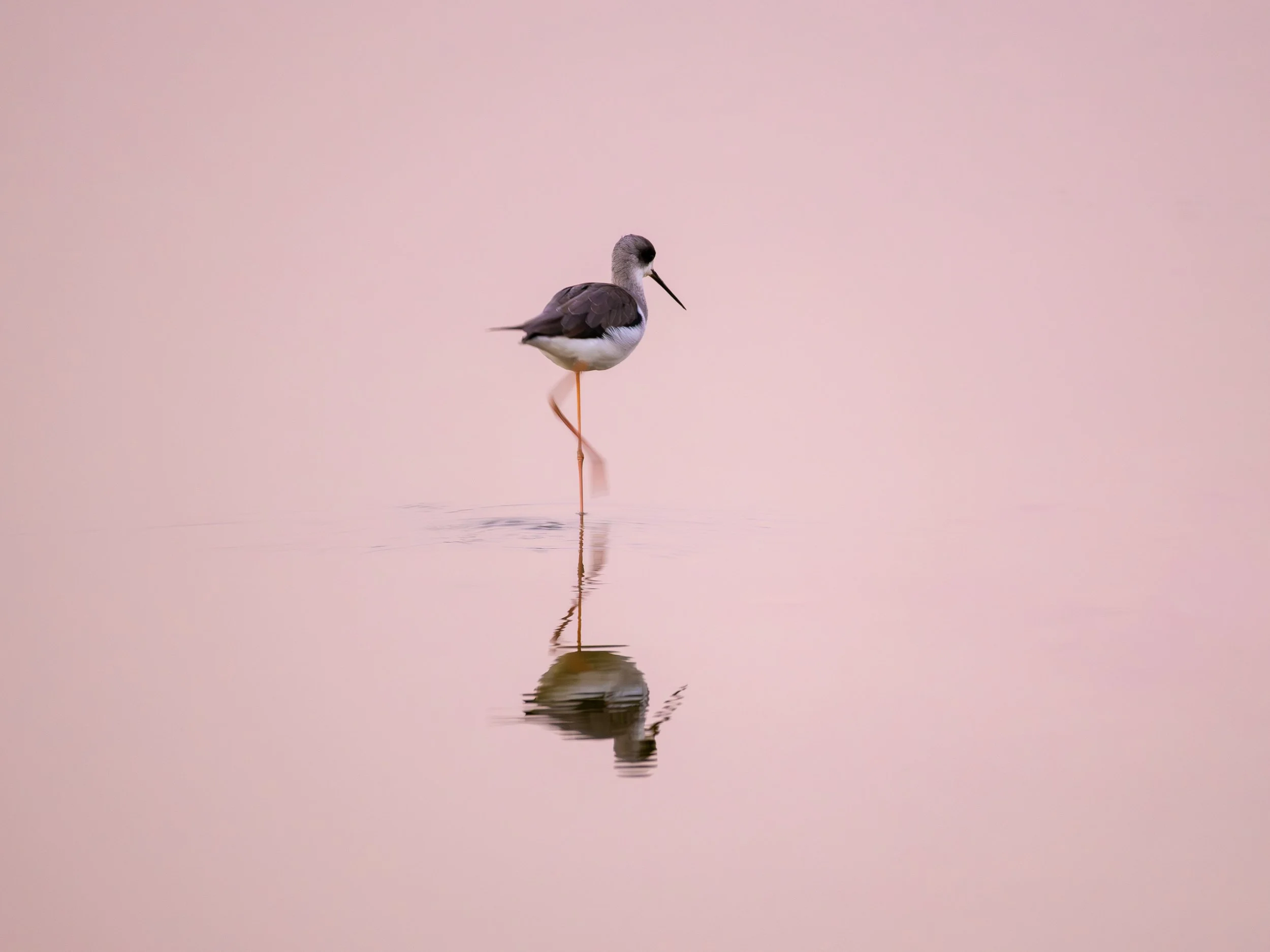
For the next area we needed to get up early — I mean early — to get to the south of Spain, where you can basically see Morocco. That meant a two-hour drive to reach the coastline, where many birds forage in small pools near the sea. I'm not sure if it's salt, brackish, or fresh water, to be honest, but it's heaven for birds. I took one of my favourite photos there, as the Black-winged Stilt was top of my list. I was rewarded several times here, with other Stilts and Flamingos as well. A morning well spent, if you ask me.
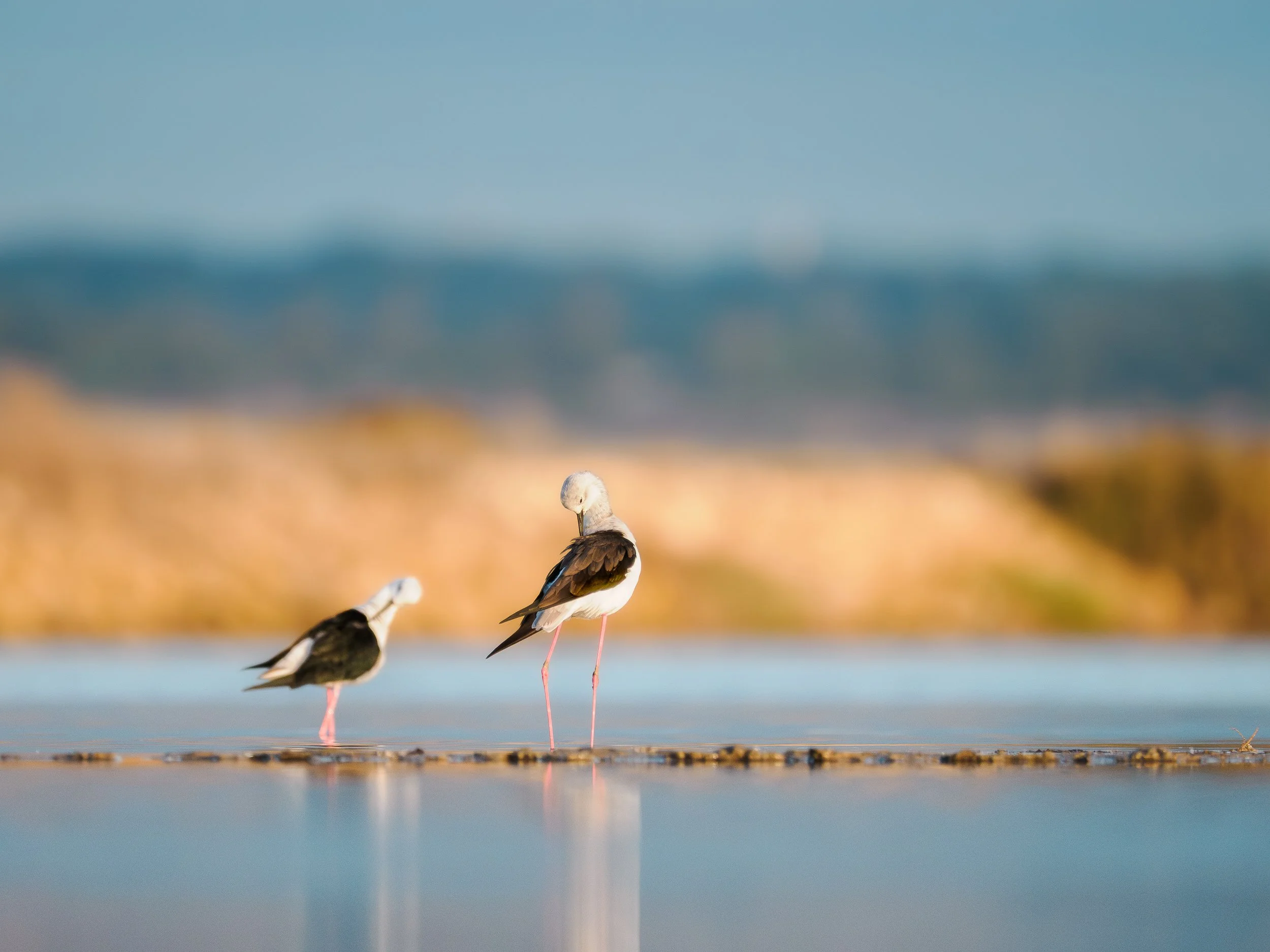
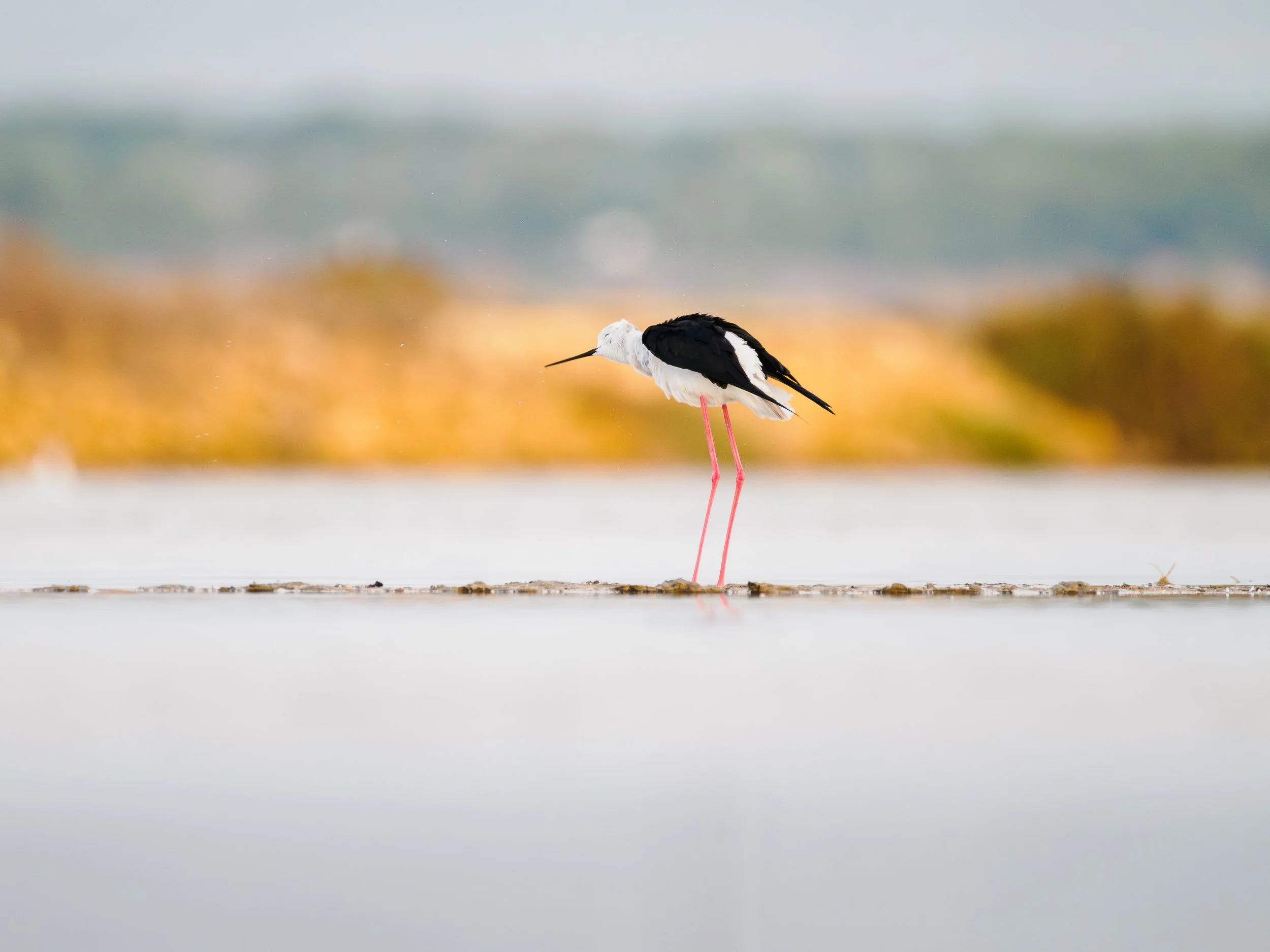
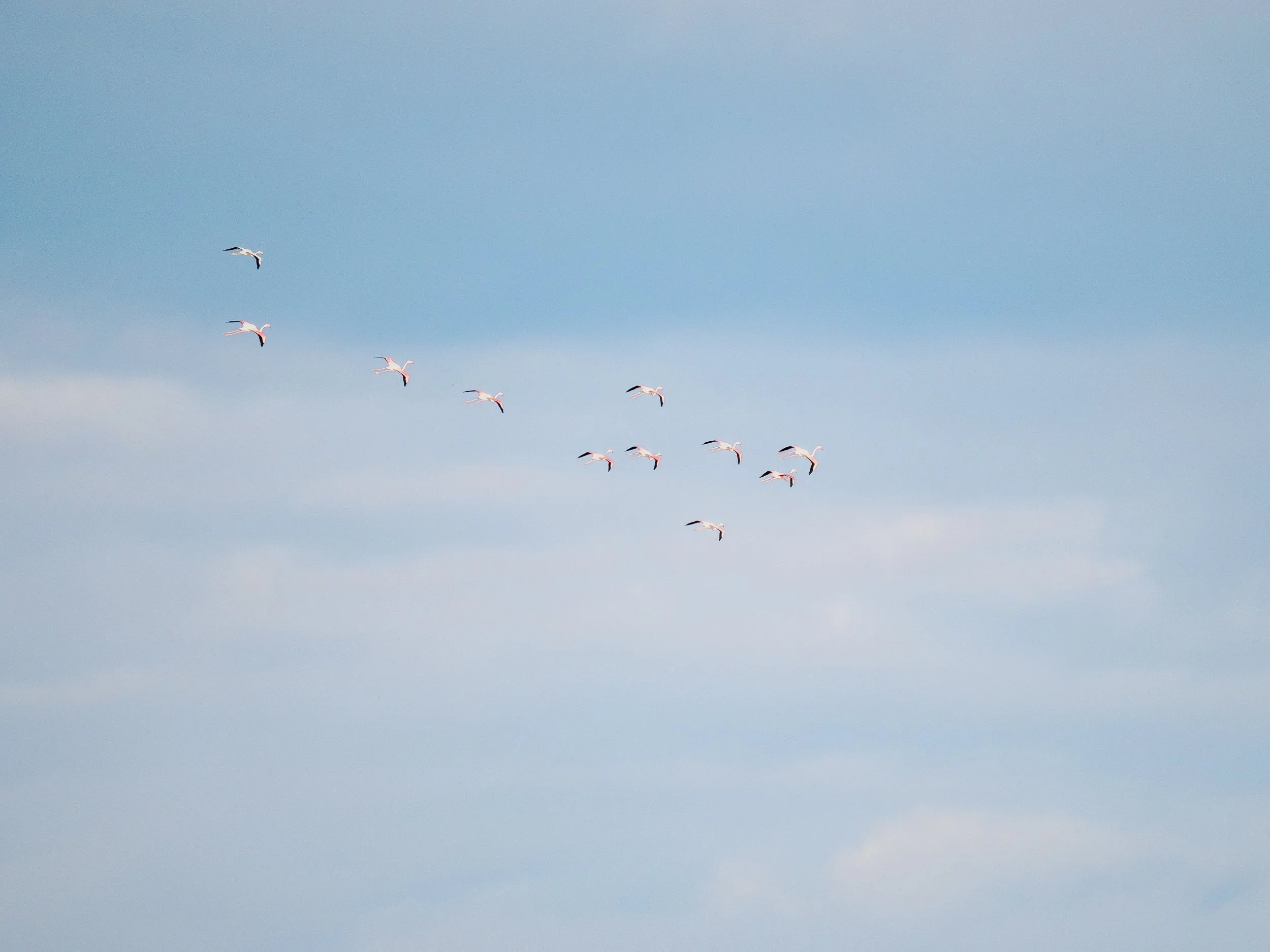
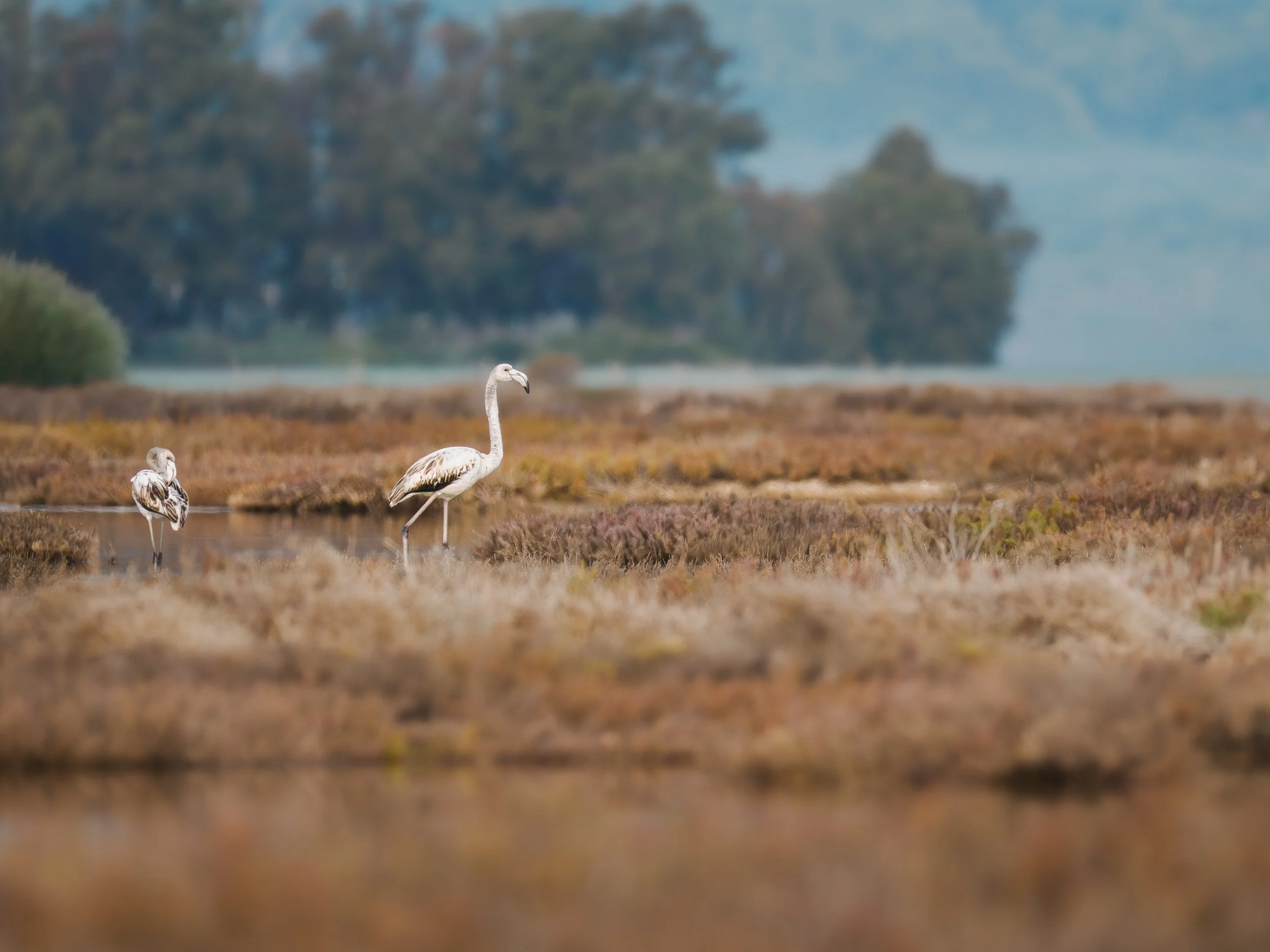
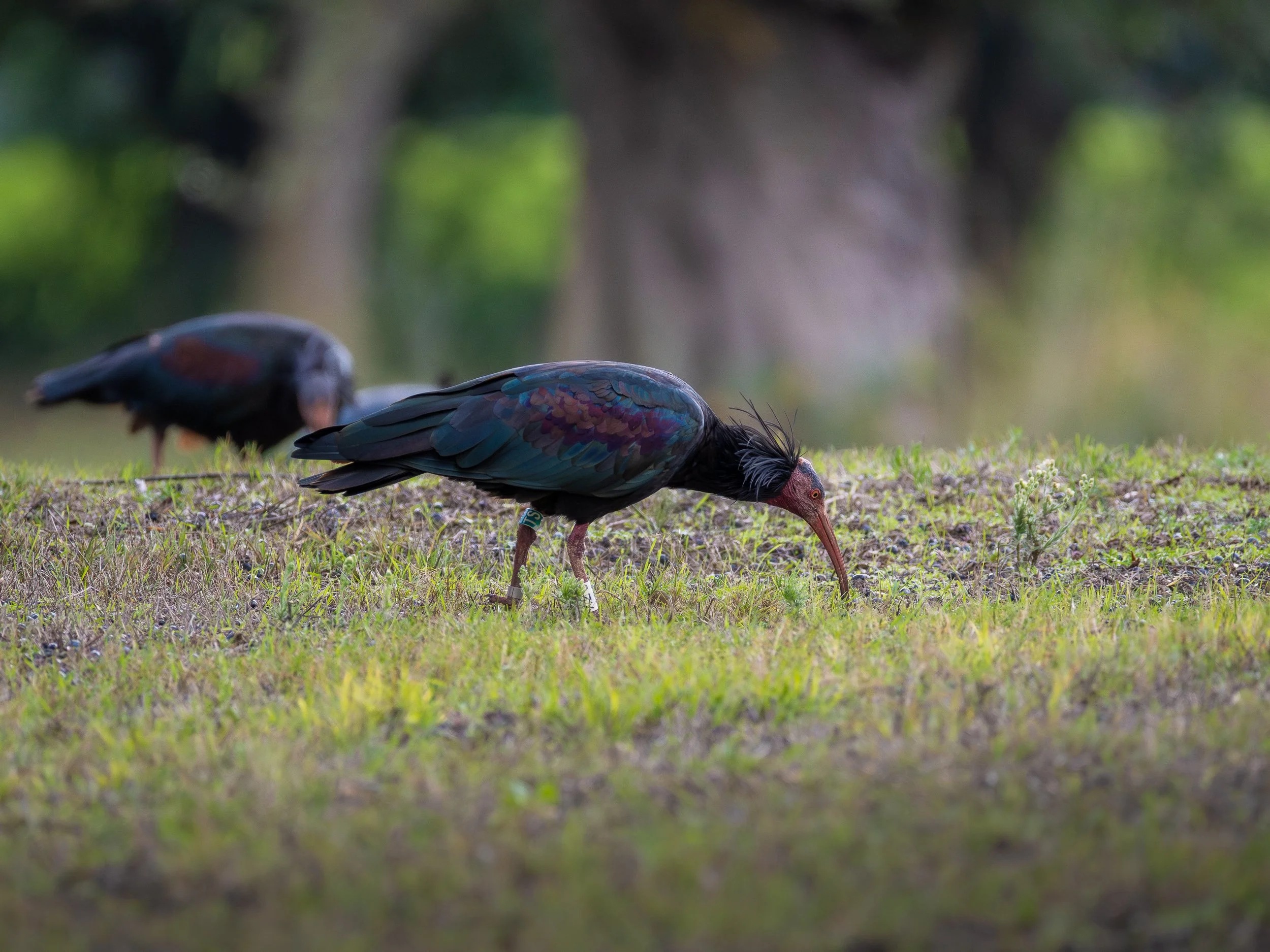
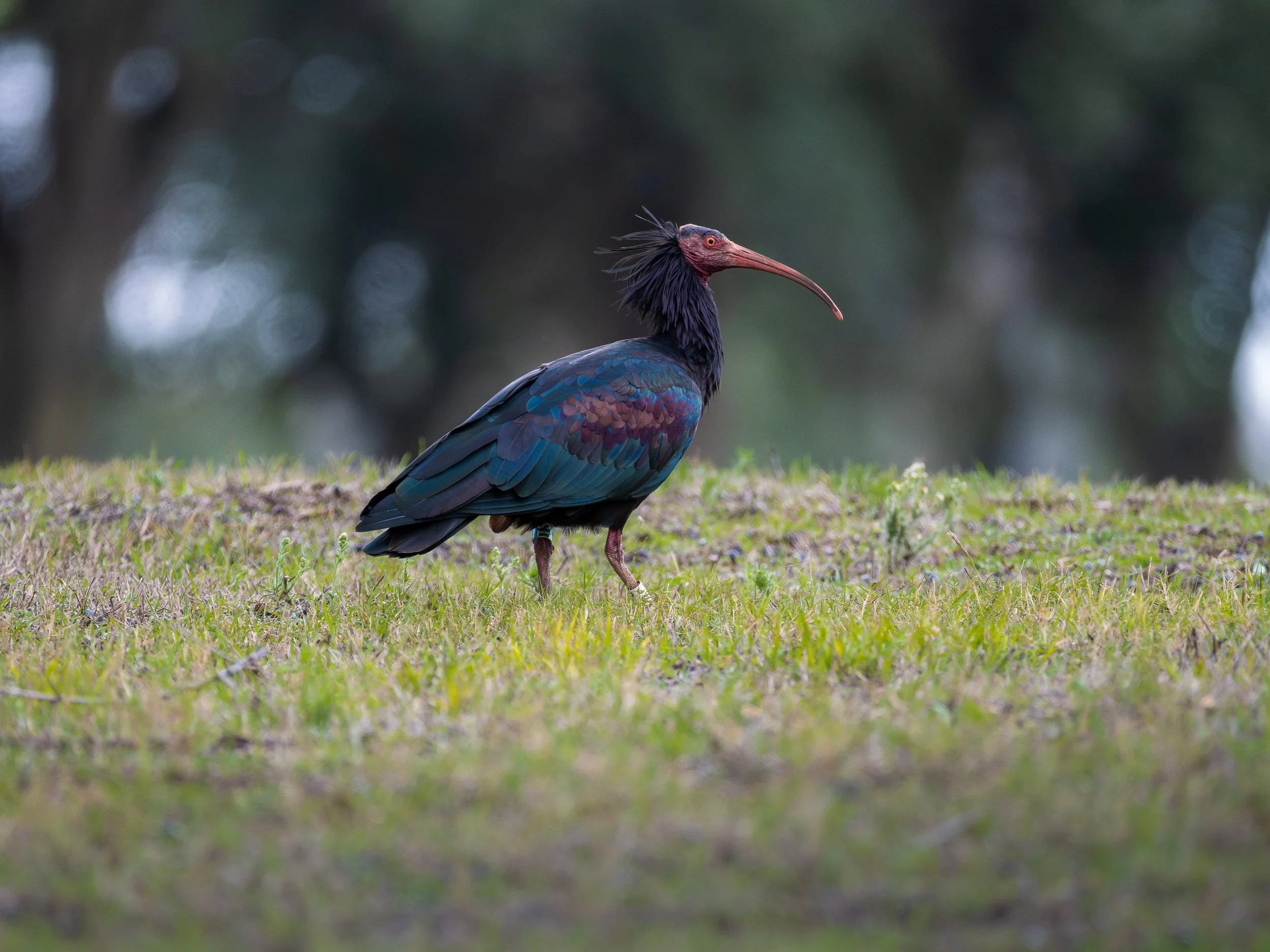
Later that day, after a proper lunch, we headed up into the mountains to look for vultures. Before reaching the vulture area, though, we stopped at a golf course to see if the Bald Ibis was there, as they'd been sighted before. Luckily, our guide Alvaro was in contact with the groundsmen of the course, so we were free to enter and see these wonderful birds in all their colours. One thing, though — the Ibis were all in a closed-off tree area, which makes the photos a bit dark, but you can't have it all, I guess. Still very cool to see — a shame that these are endangered at the moment.
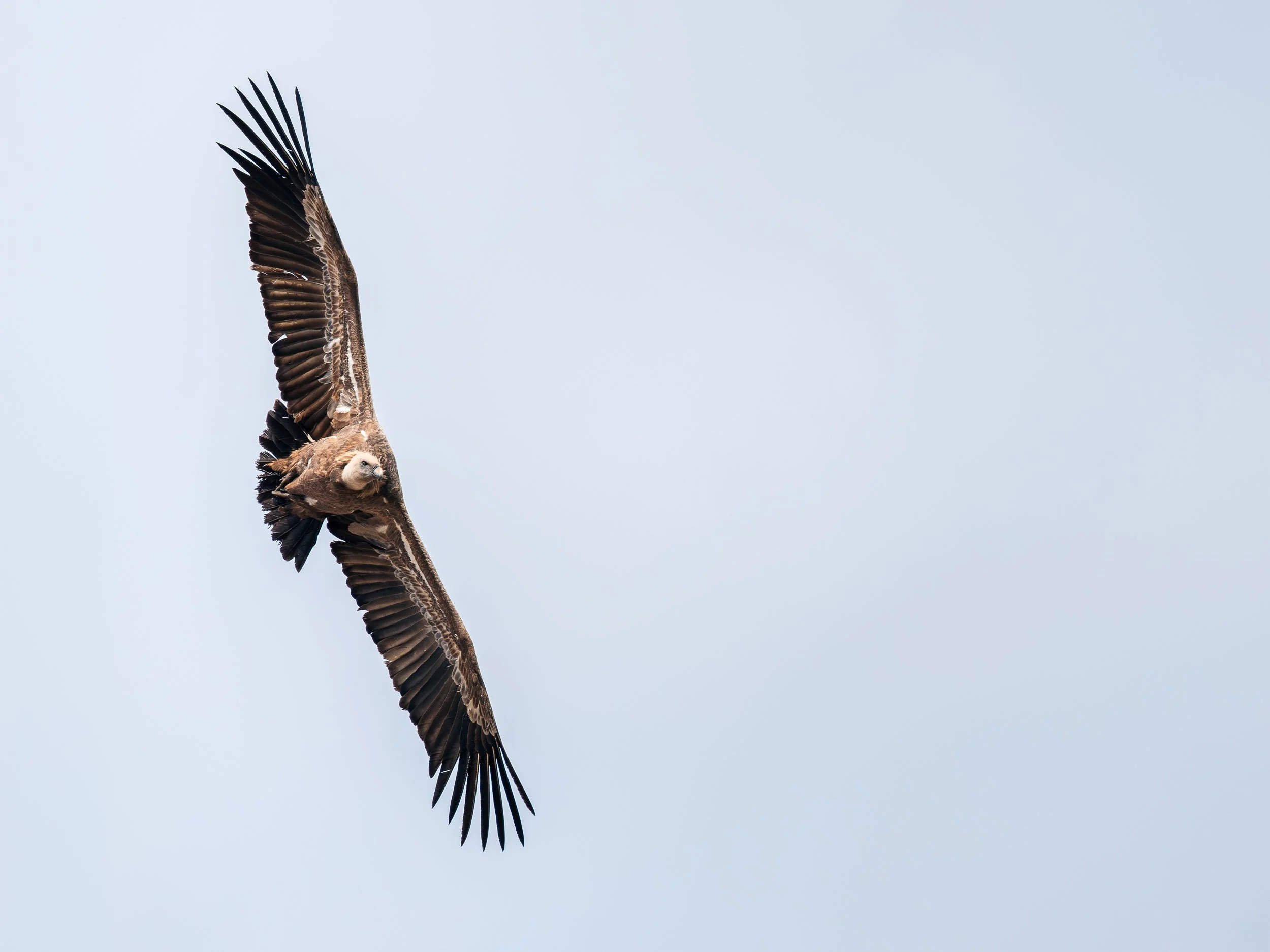
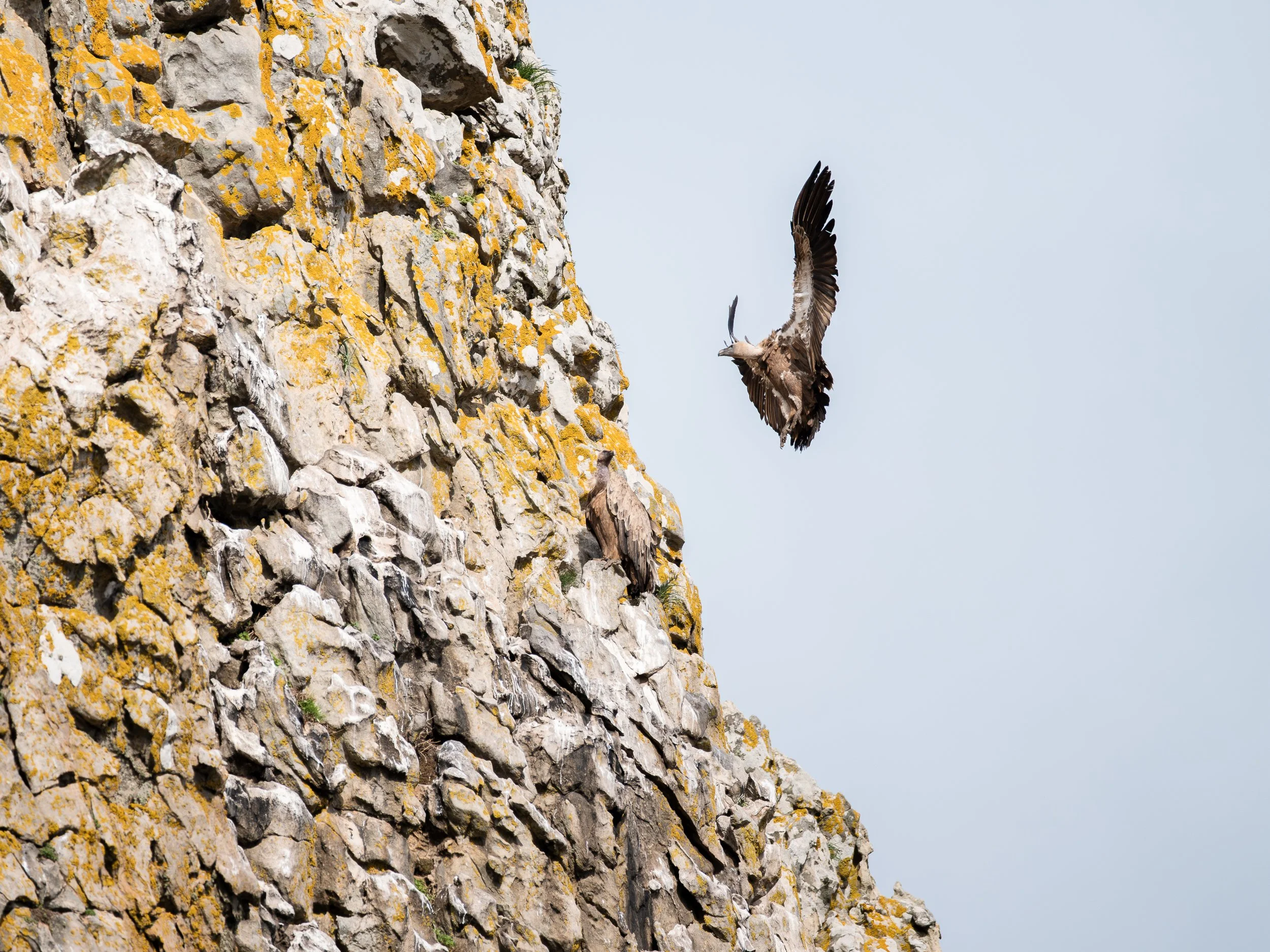
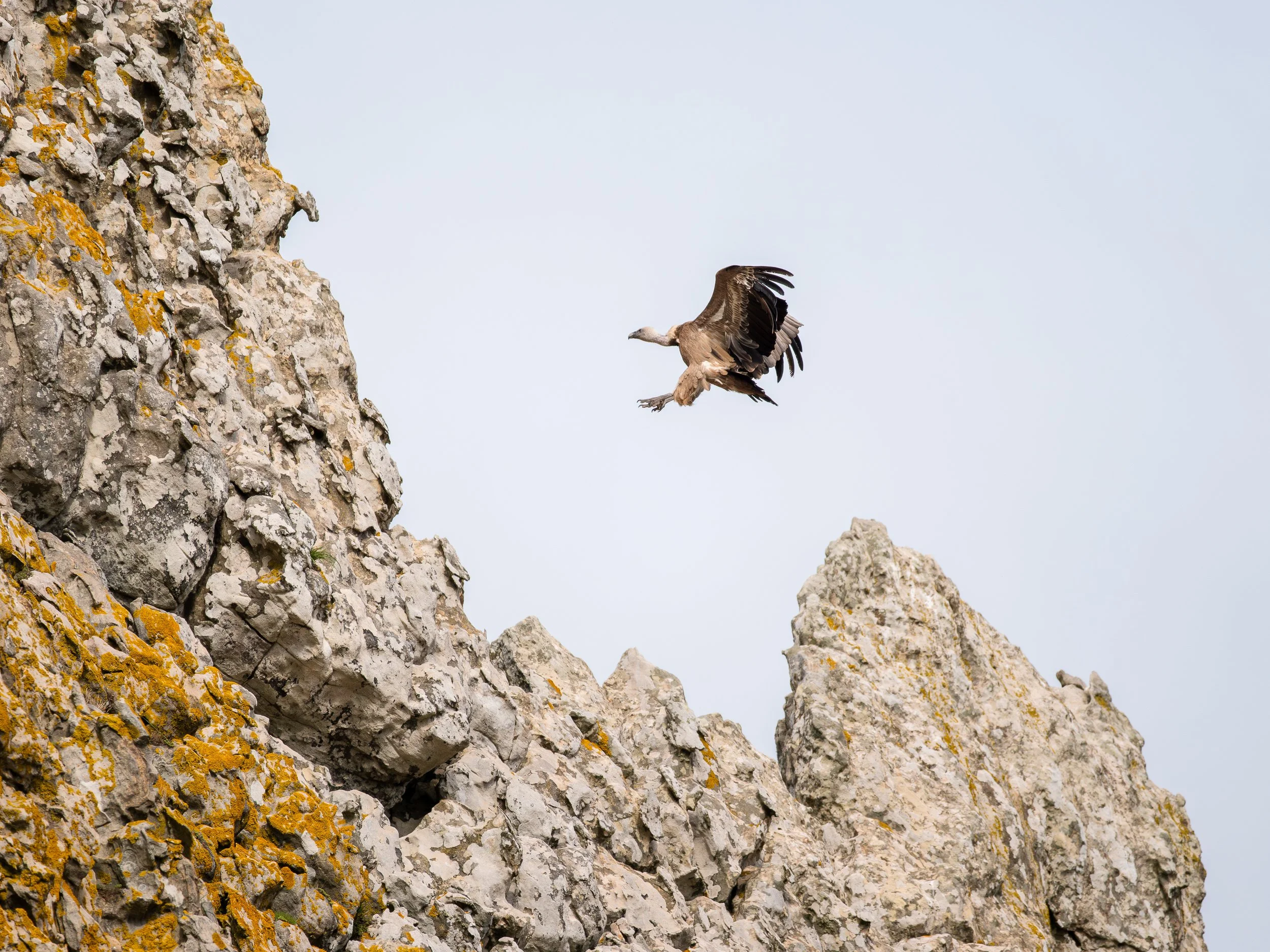
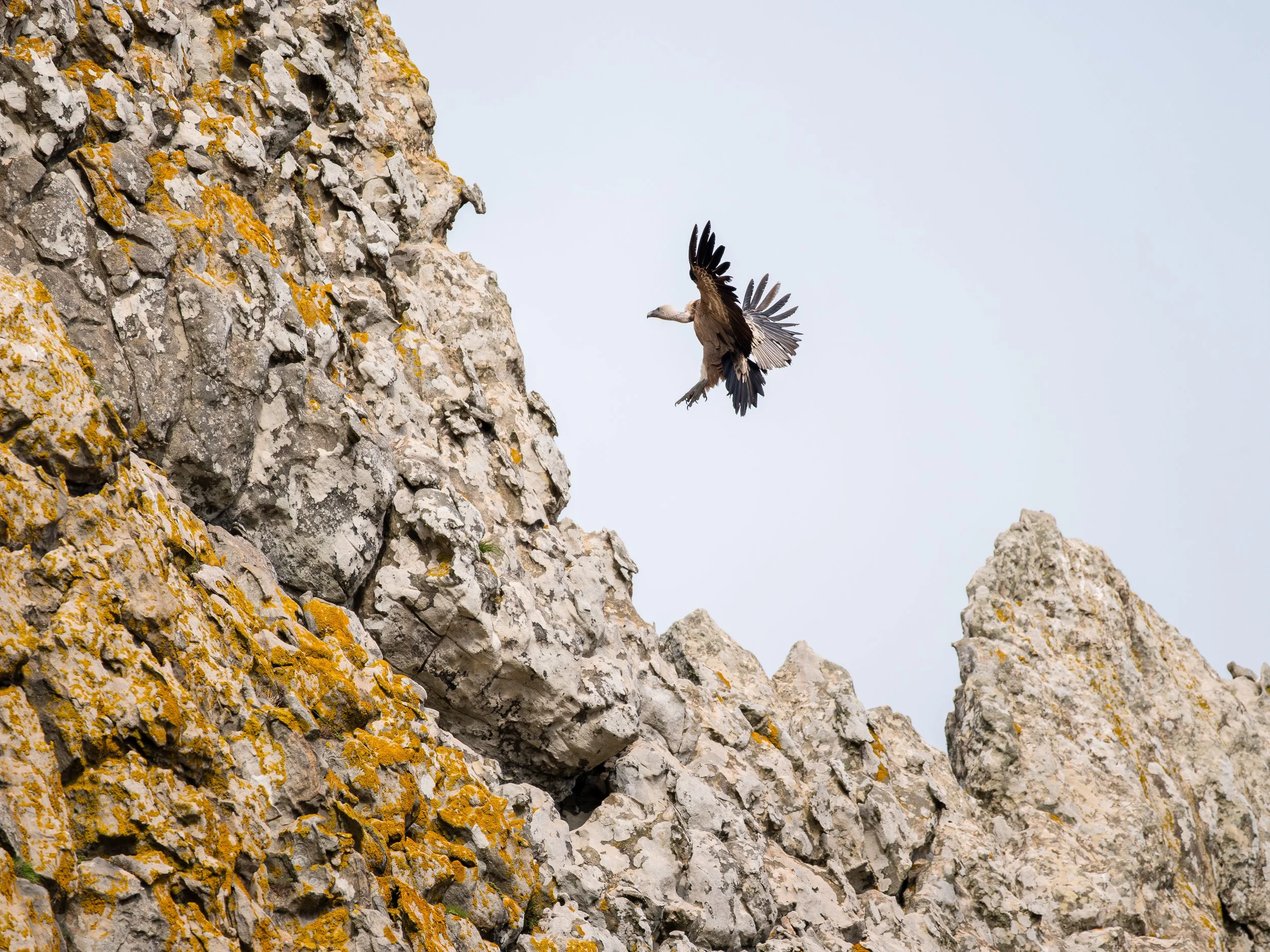
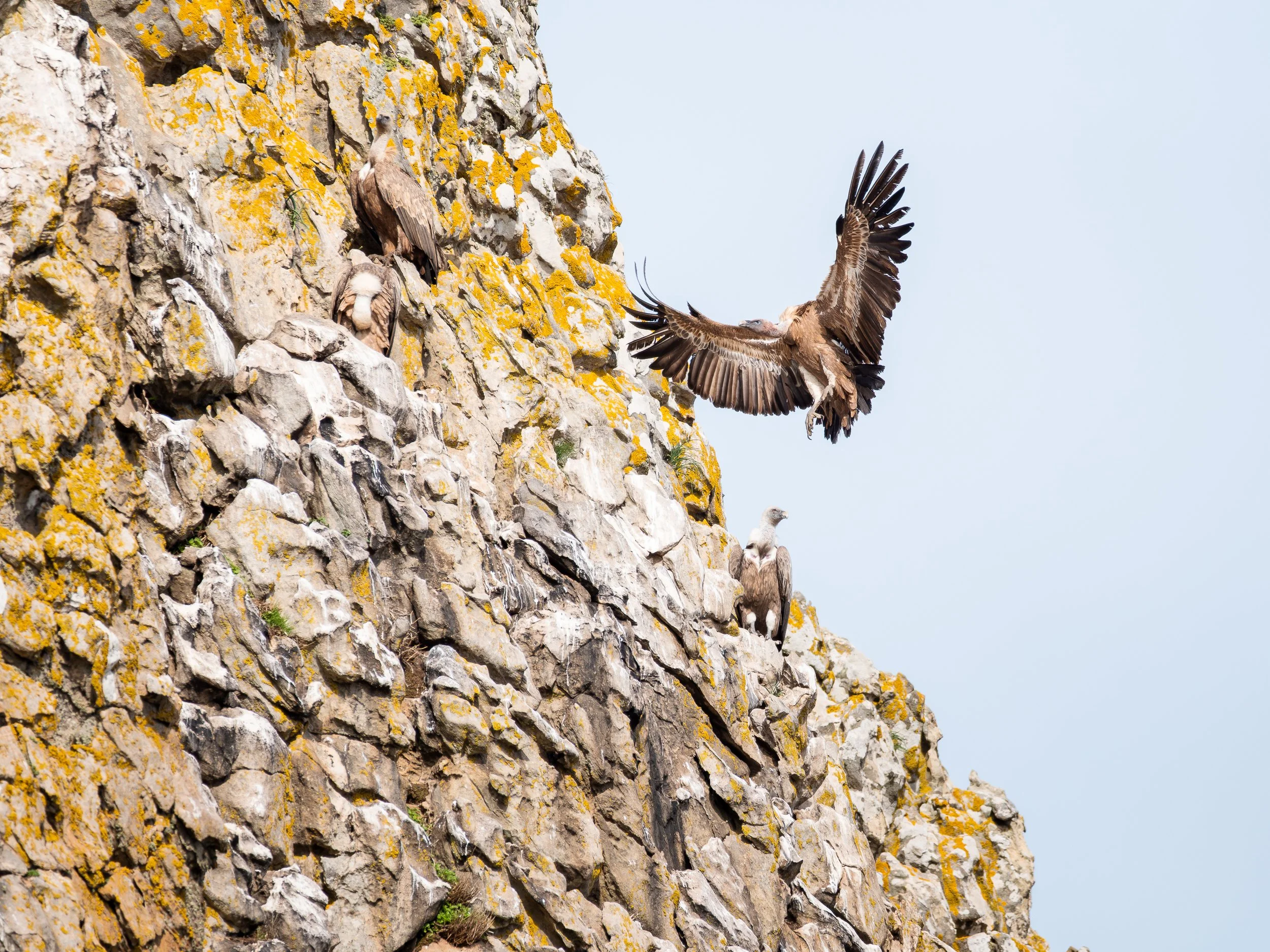
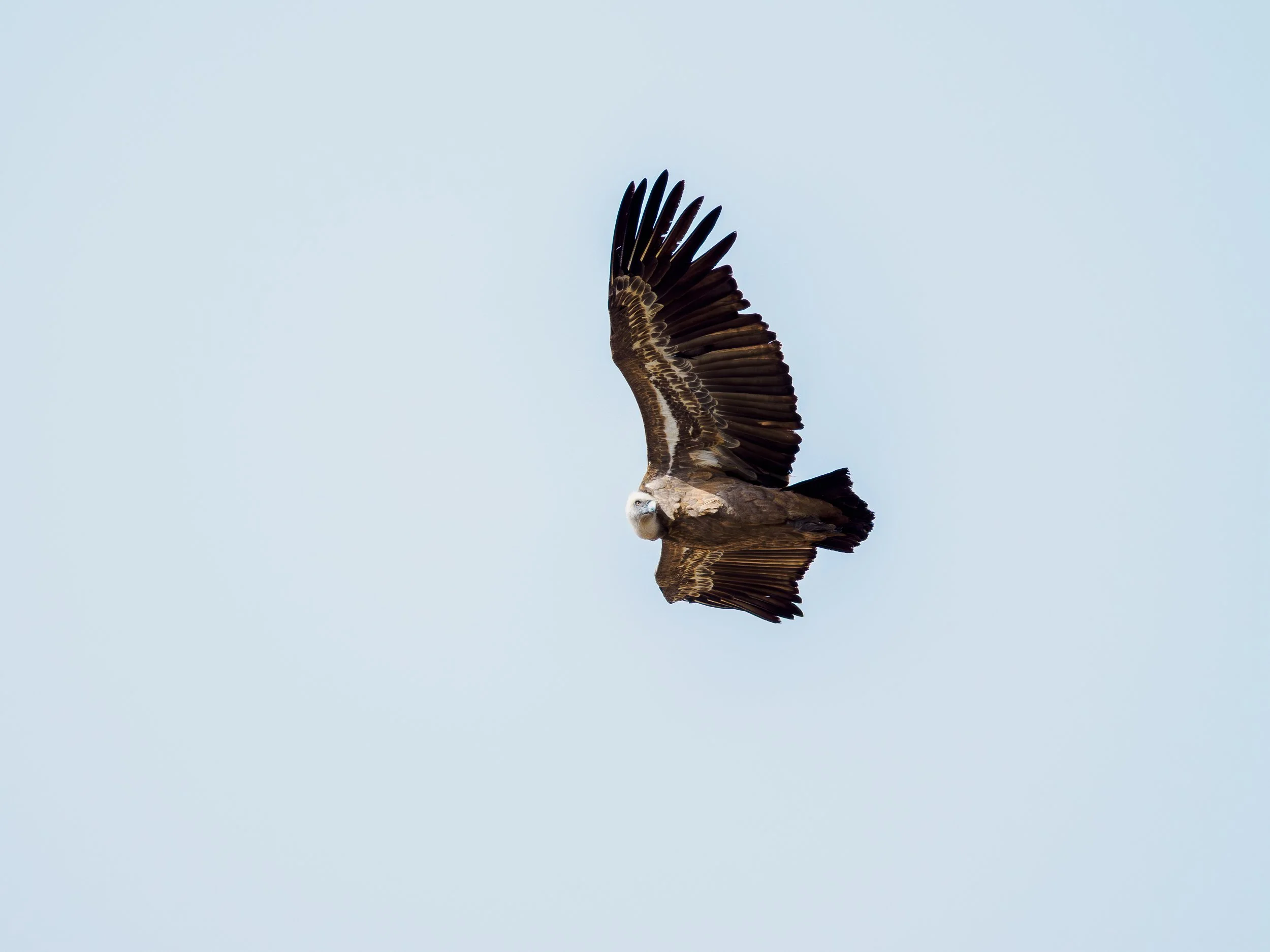
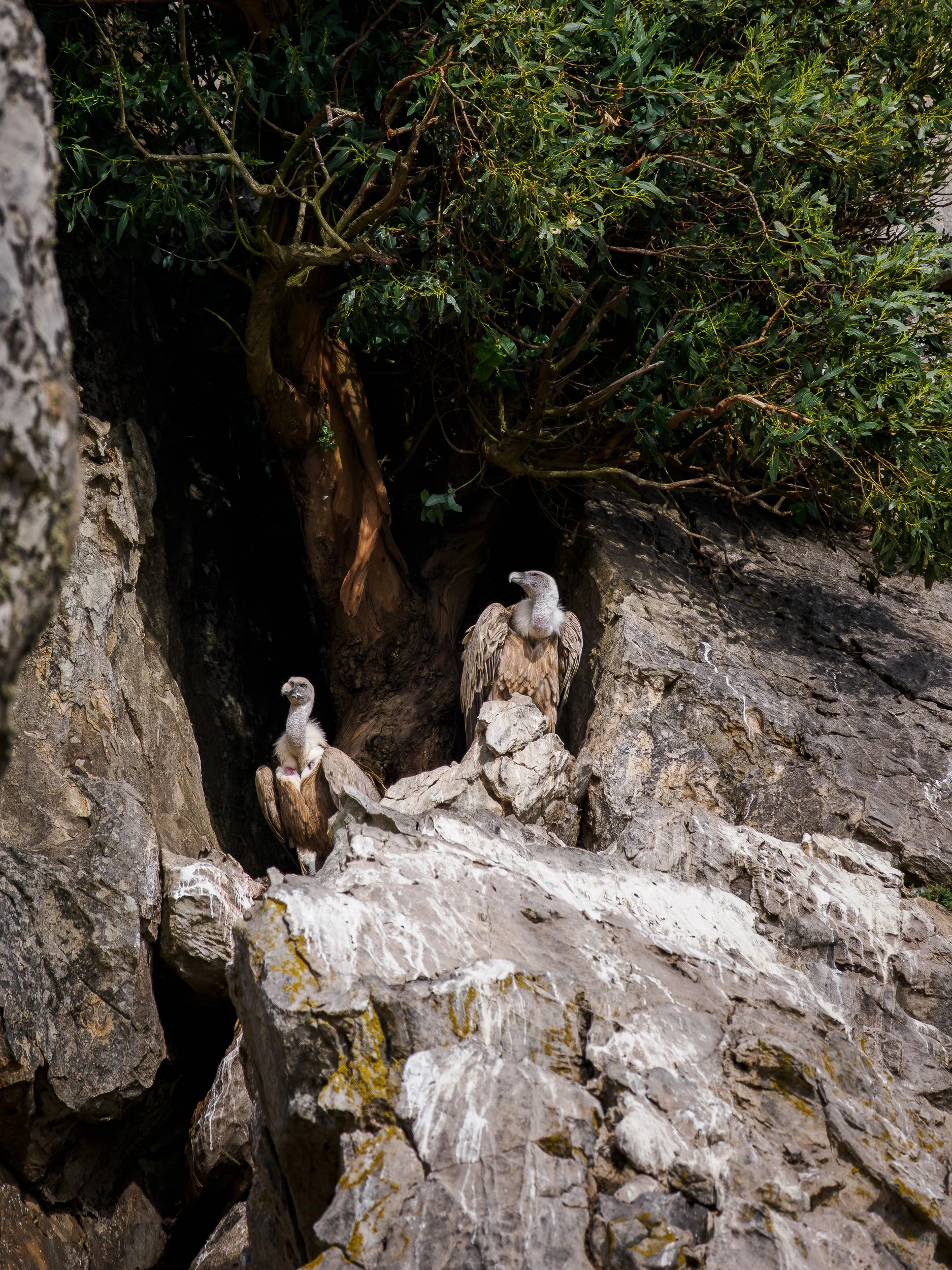
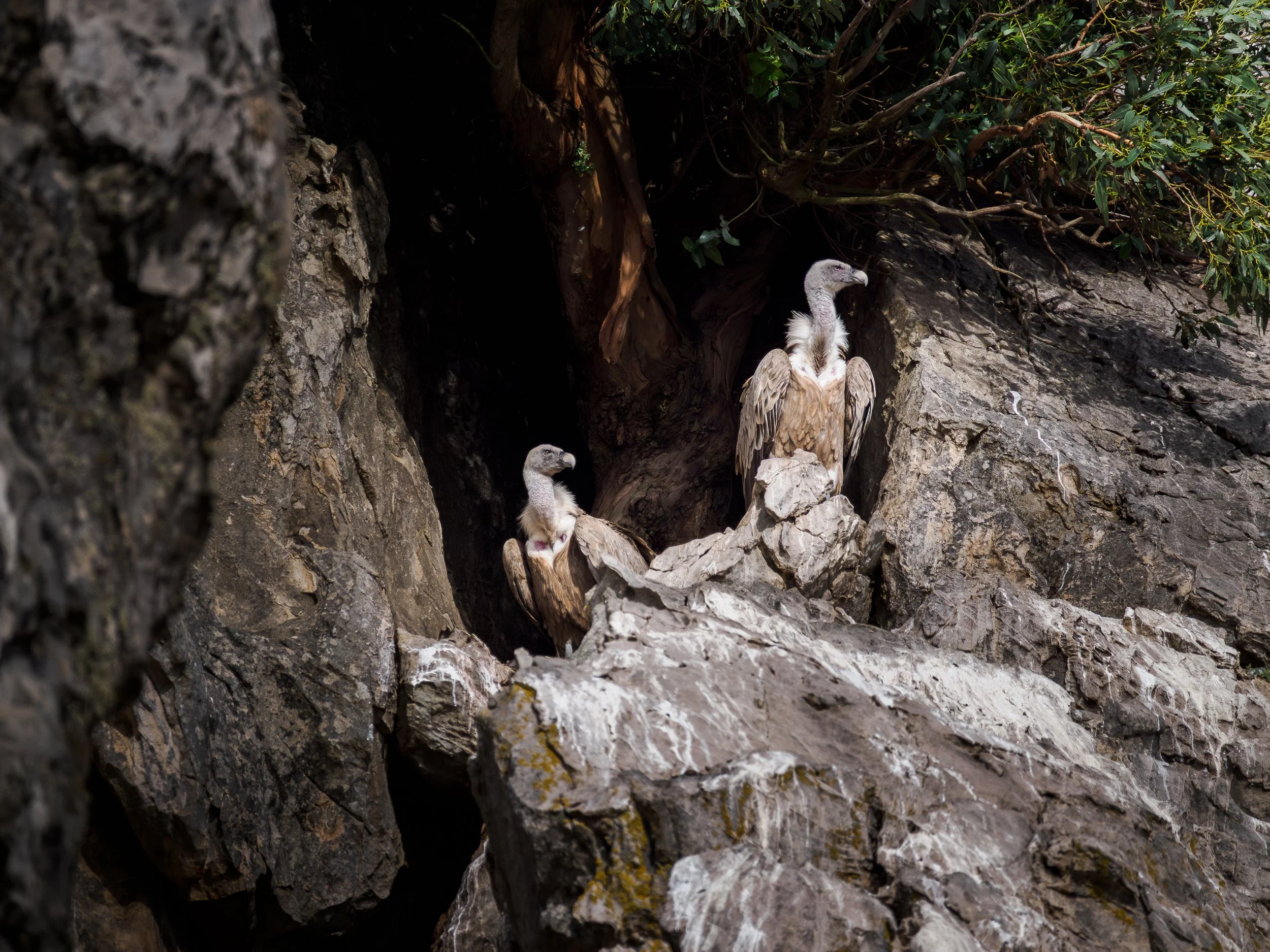
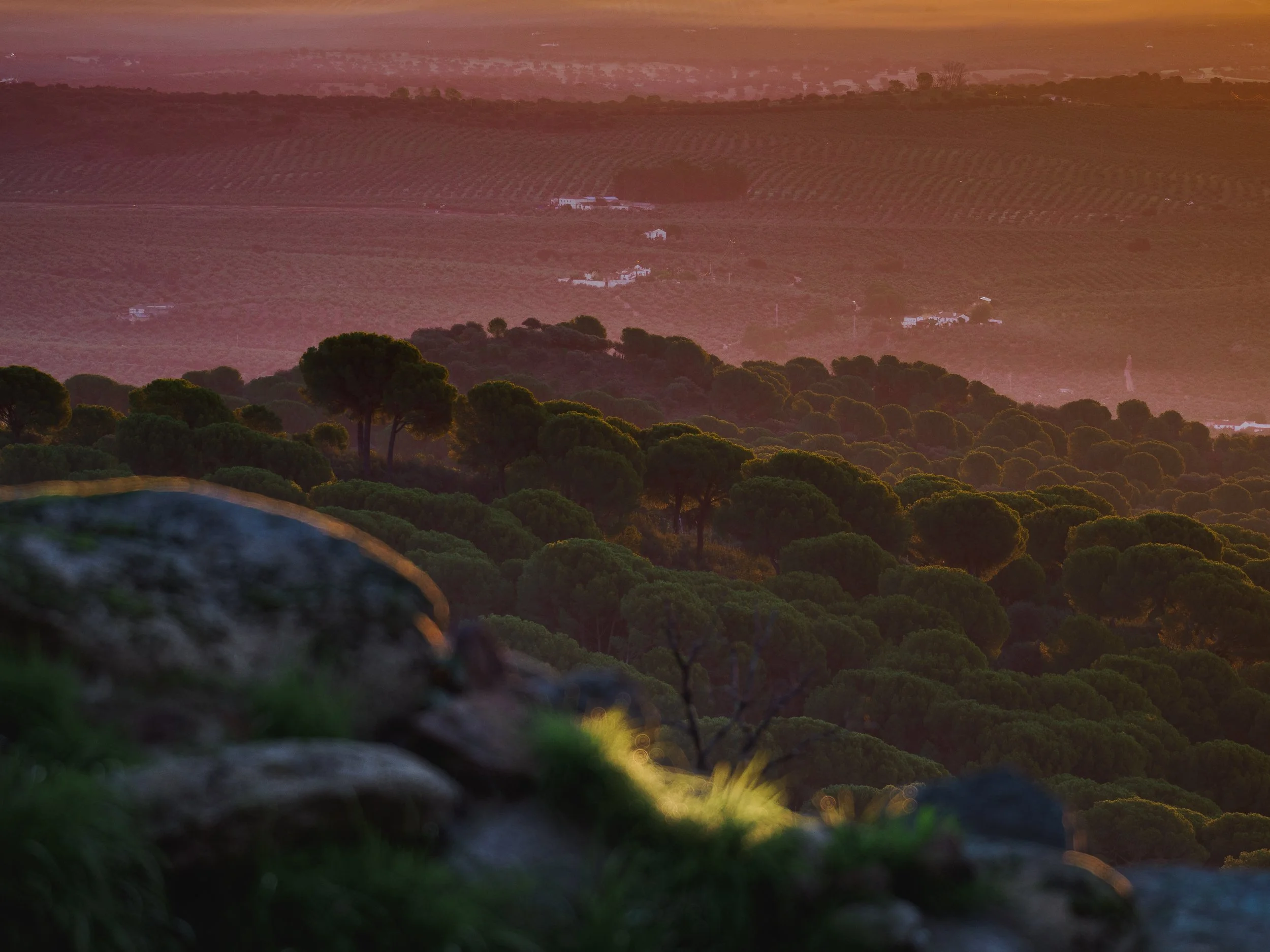
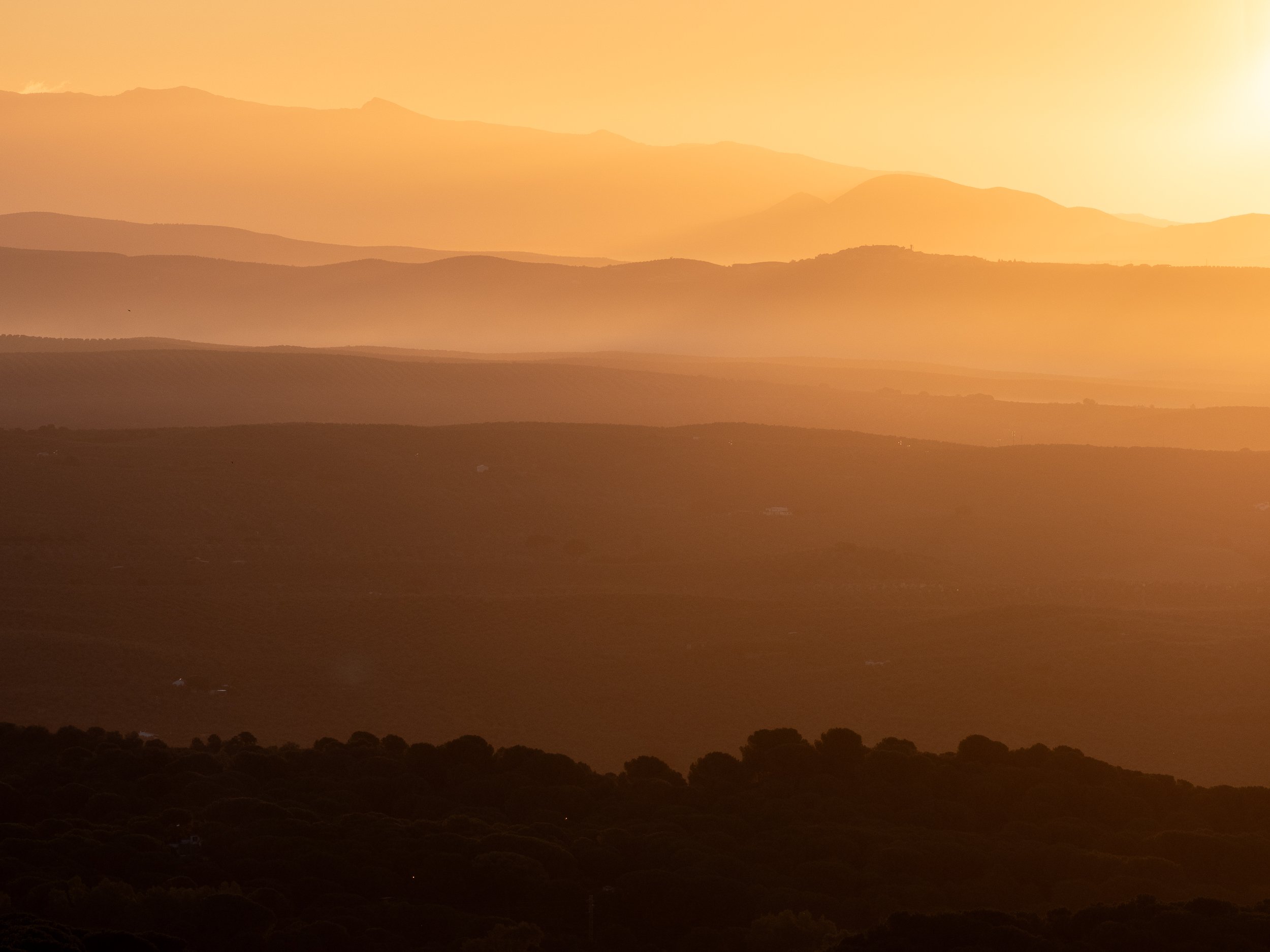
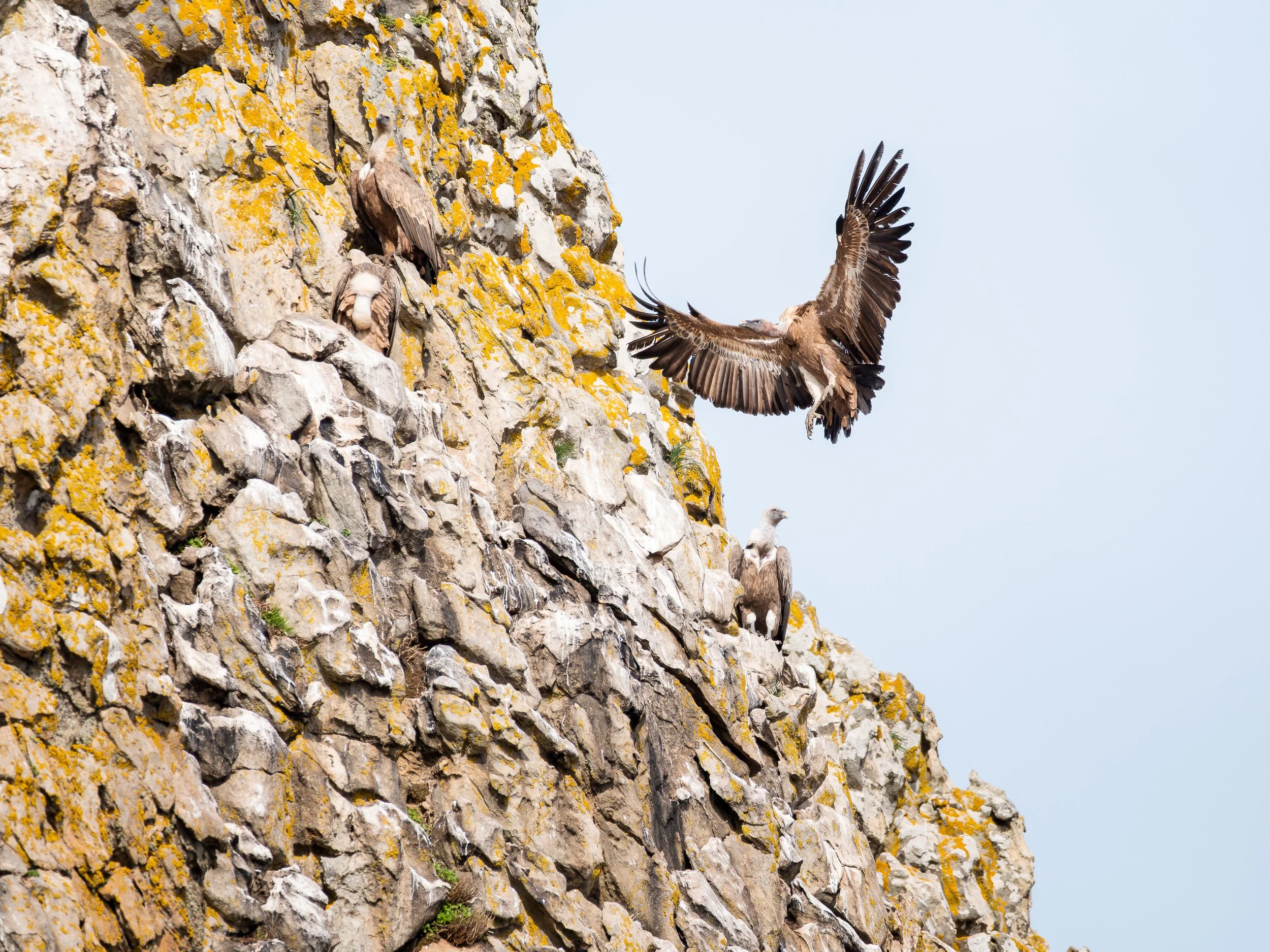
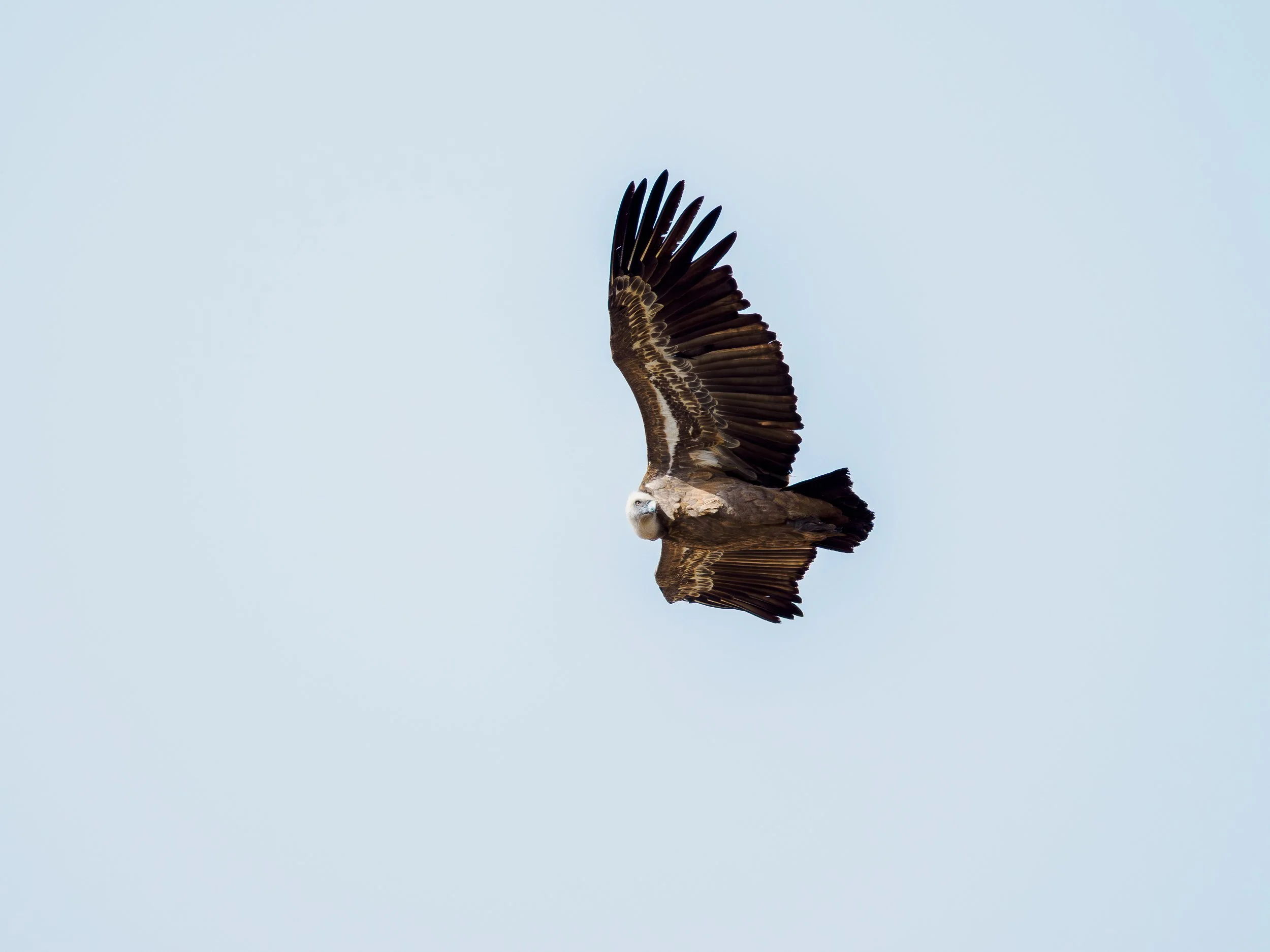
Heading on towards the vultures, we found a whole bunch of them, nesting included. It was really impressive to see them fly, take off, and especially land. Together with the views over the Gibraltar Strait, it was a really nice bonus. This day was something else. Even the drive back showed off some first fall colours in the countryside.
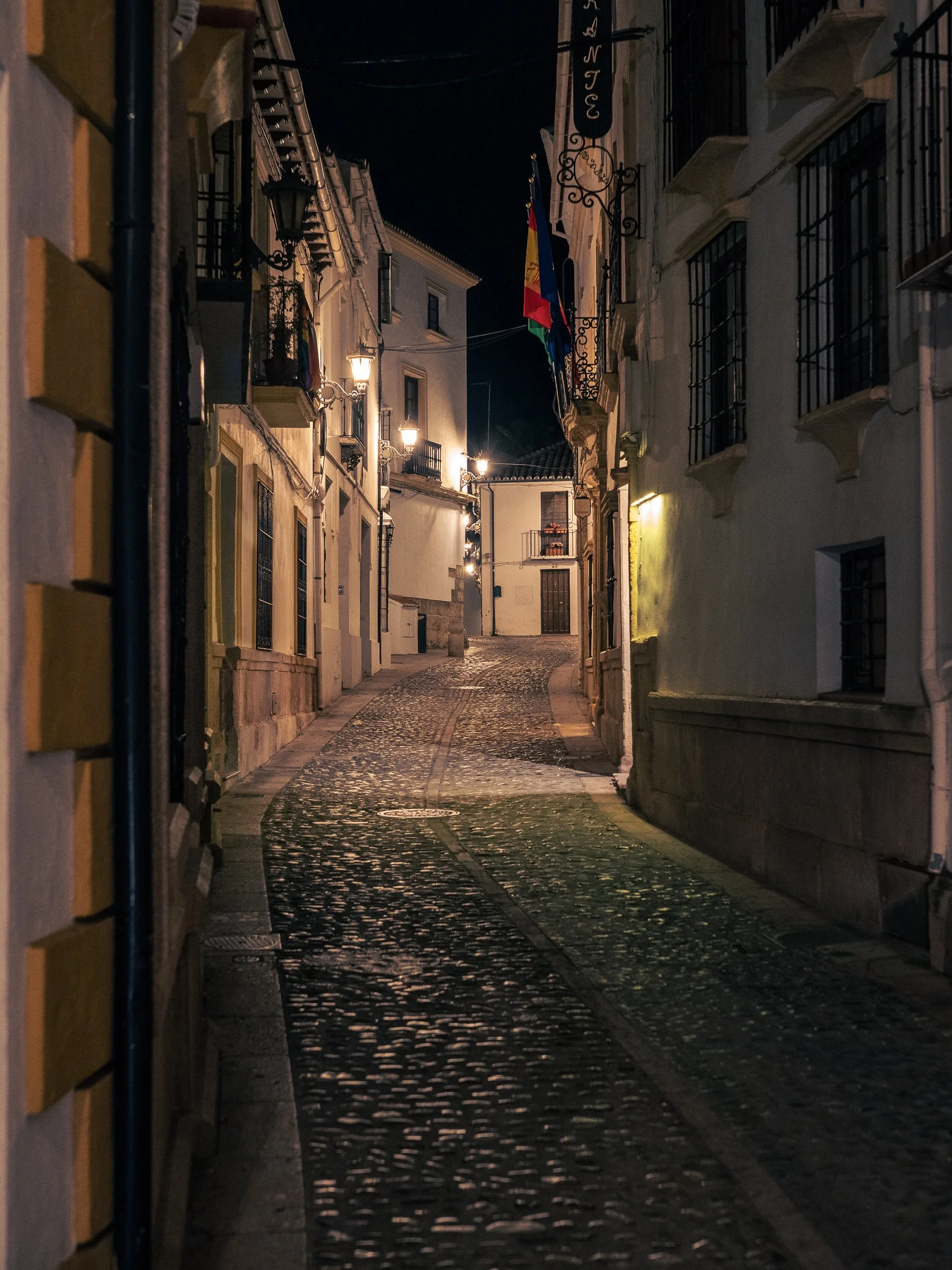
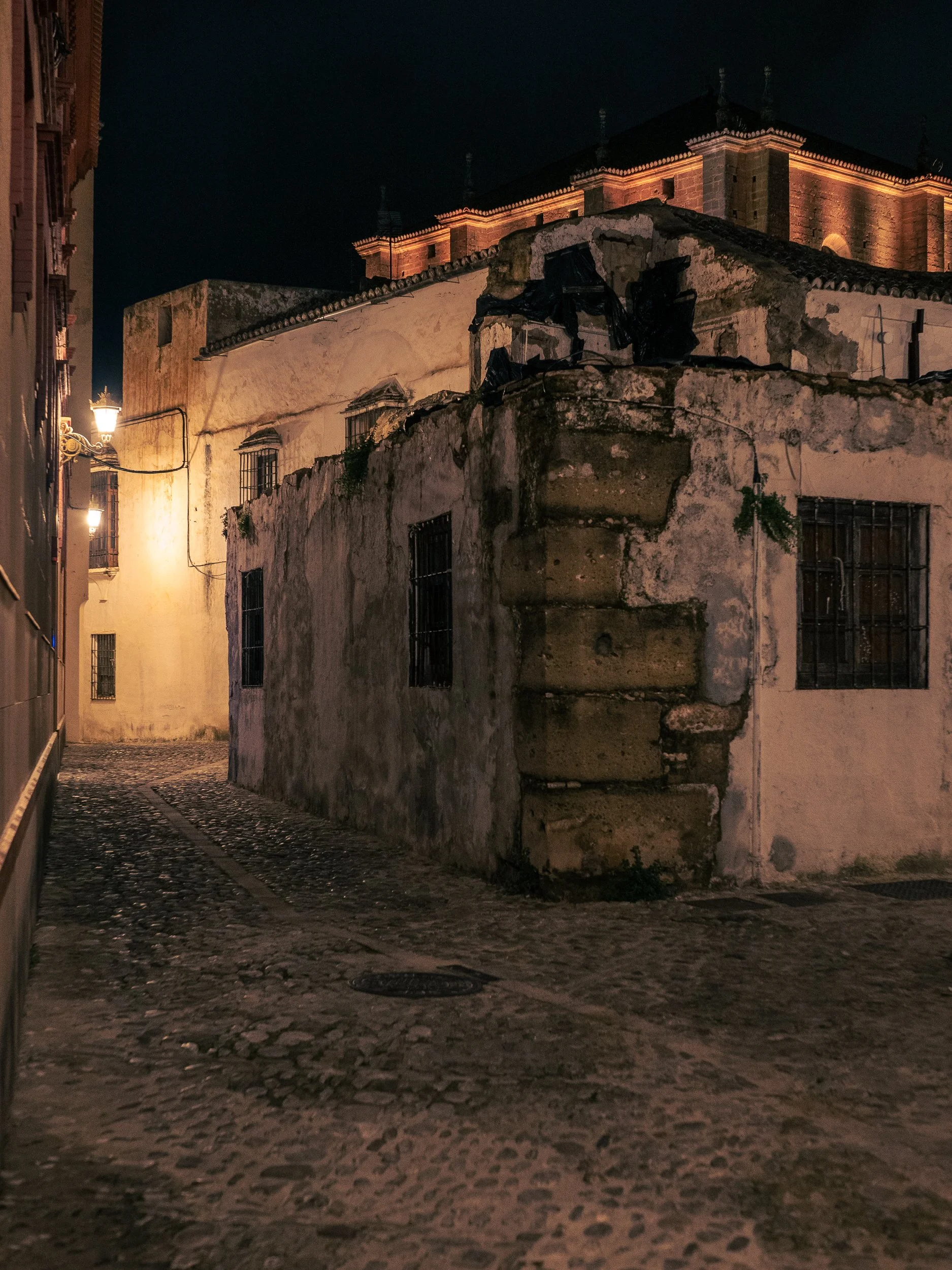
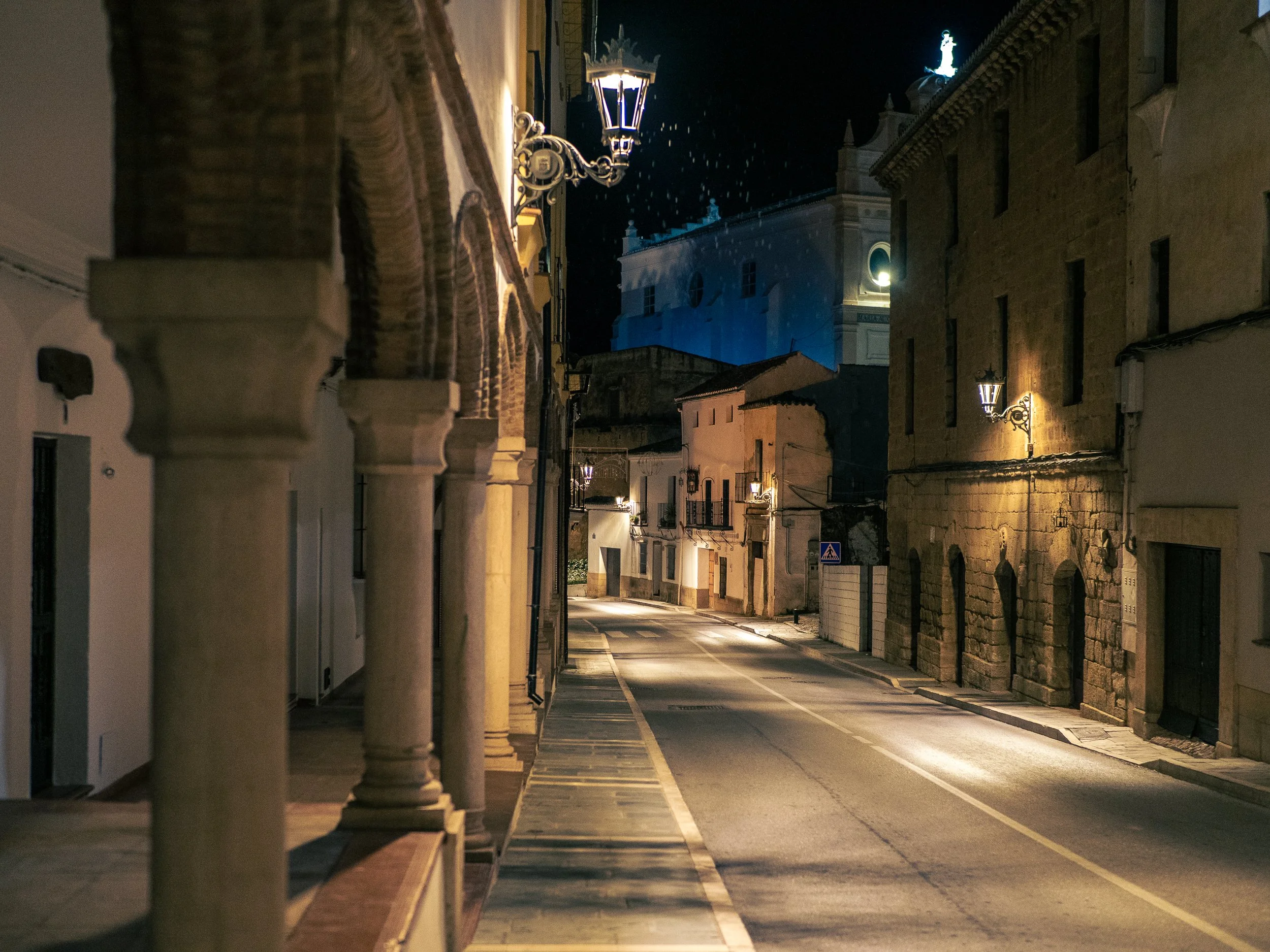
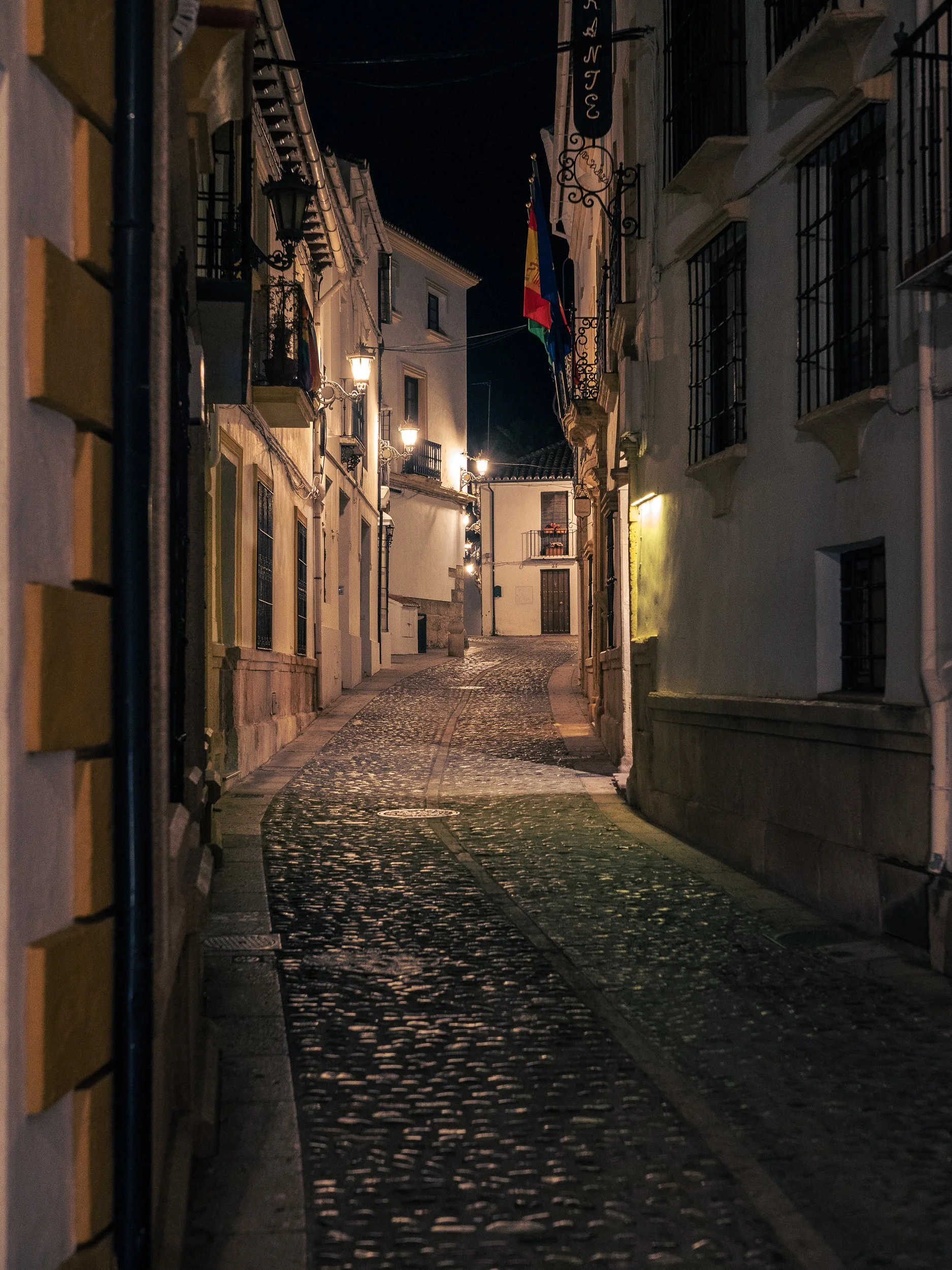
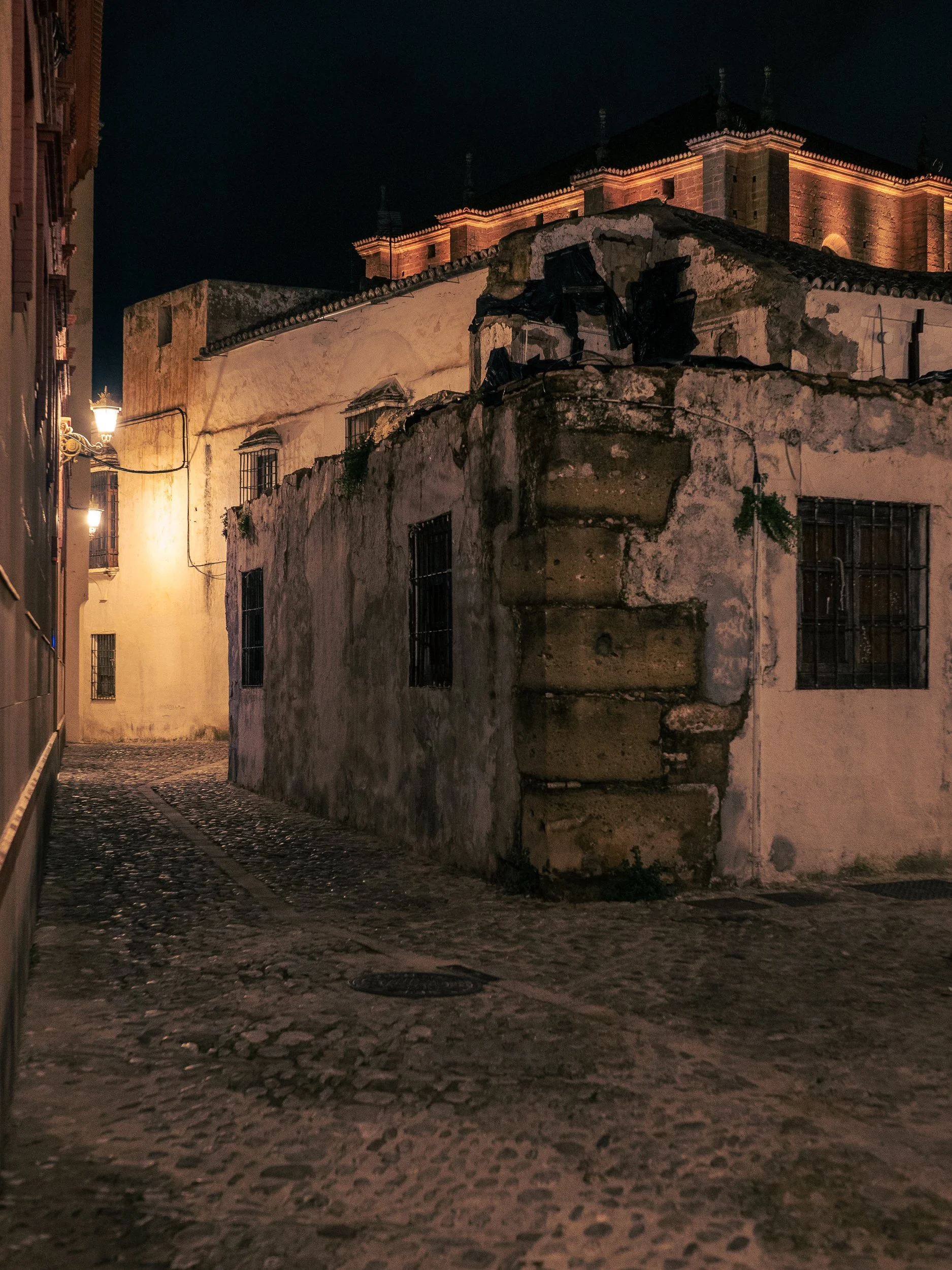
After a very long day we ended back in Ronda, and since this was our last evening here, I went out to do some night photography. A quick tour around the old city — nothing special, just to get some memories on film (or digital, for that matter). In the end, the photos turned out quite good. Glad I had enough energy left in the day to capture these!
Heading North — El Torcal de Antequera
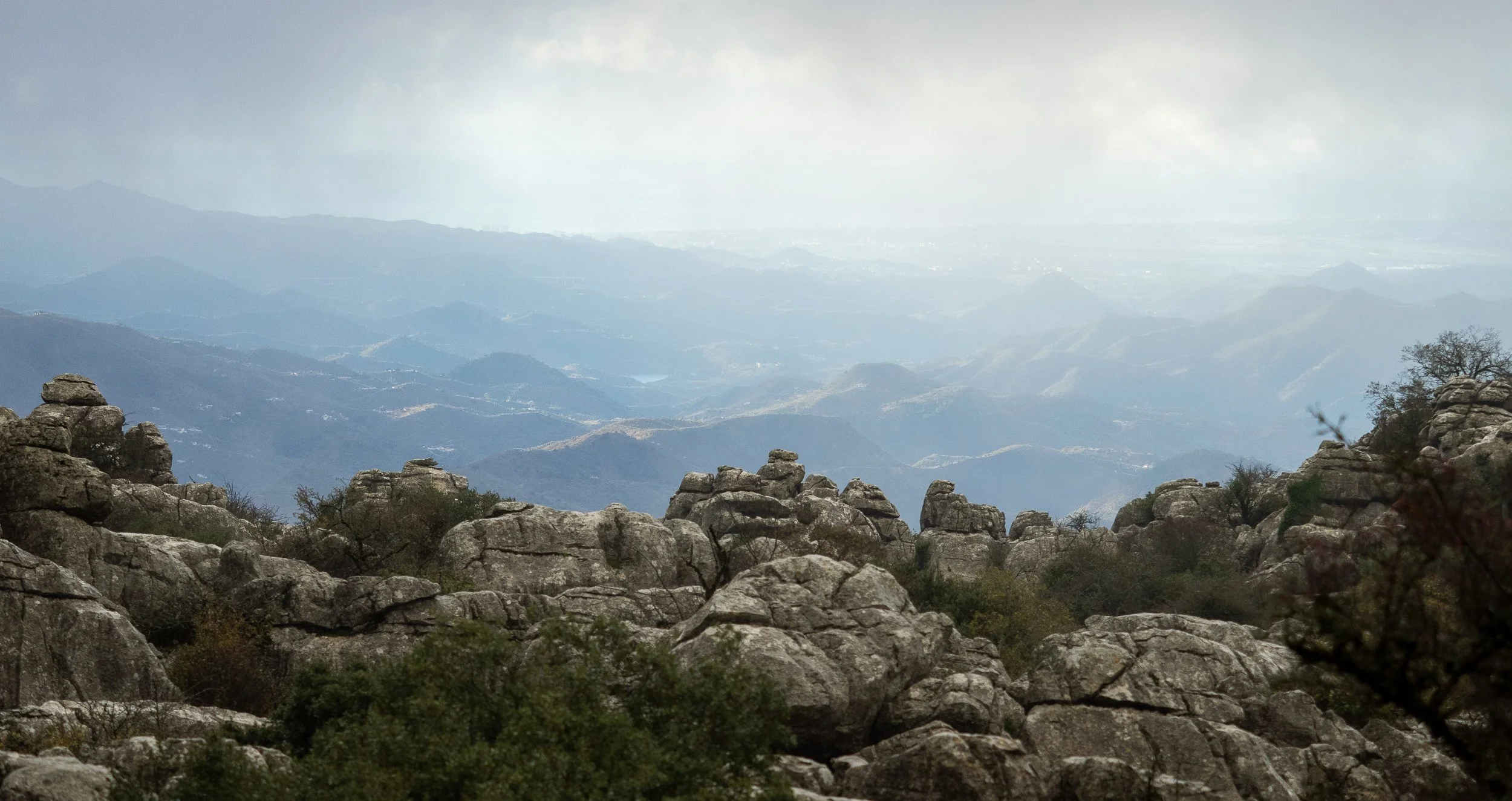
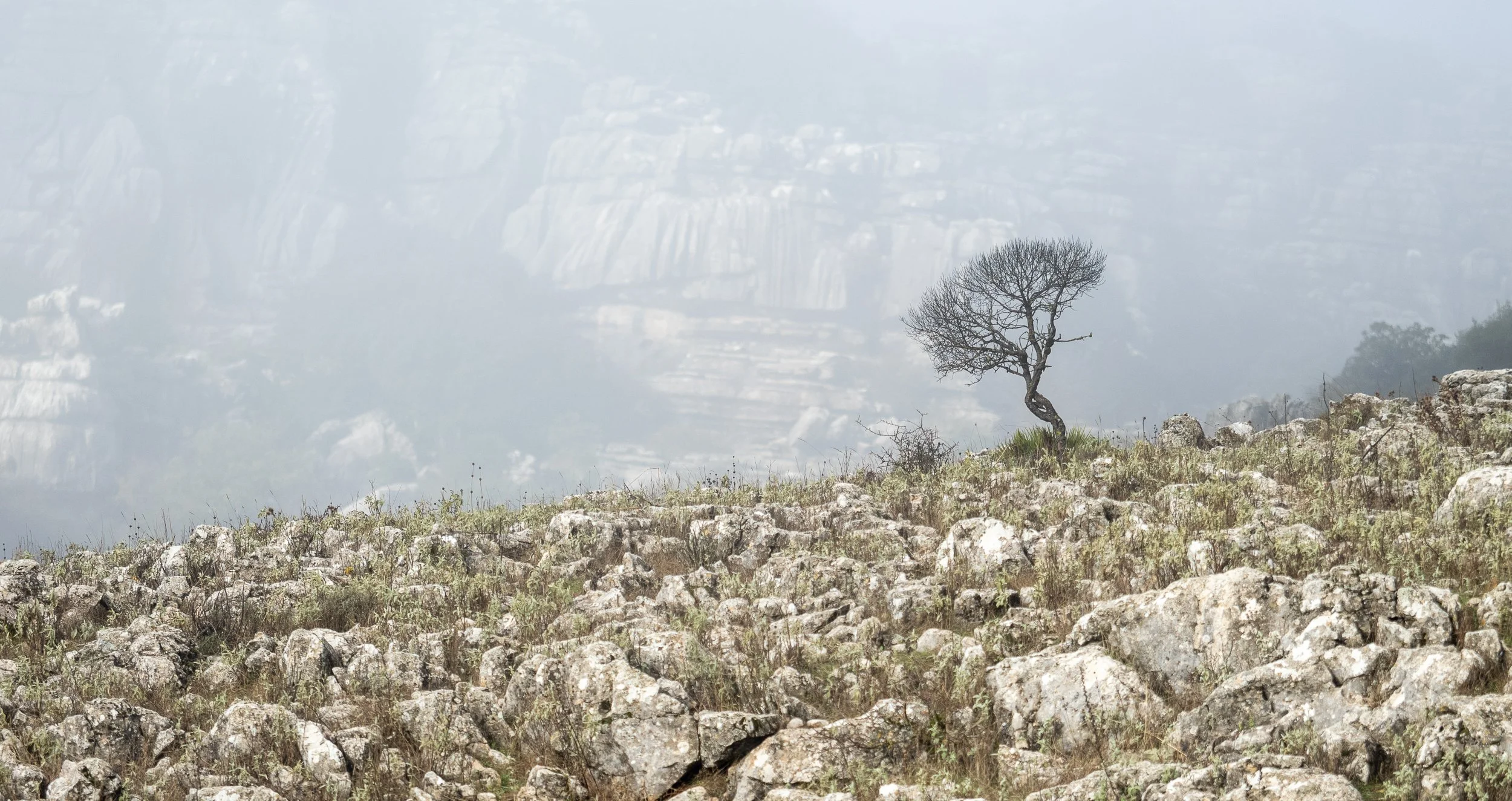
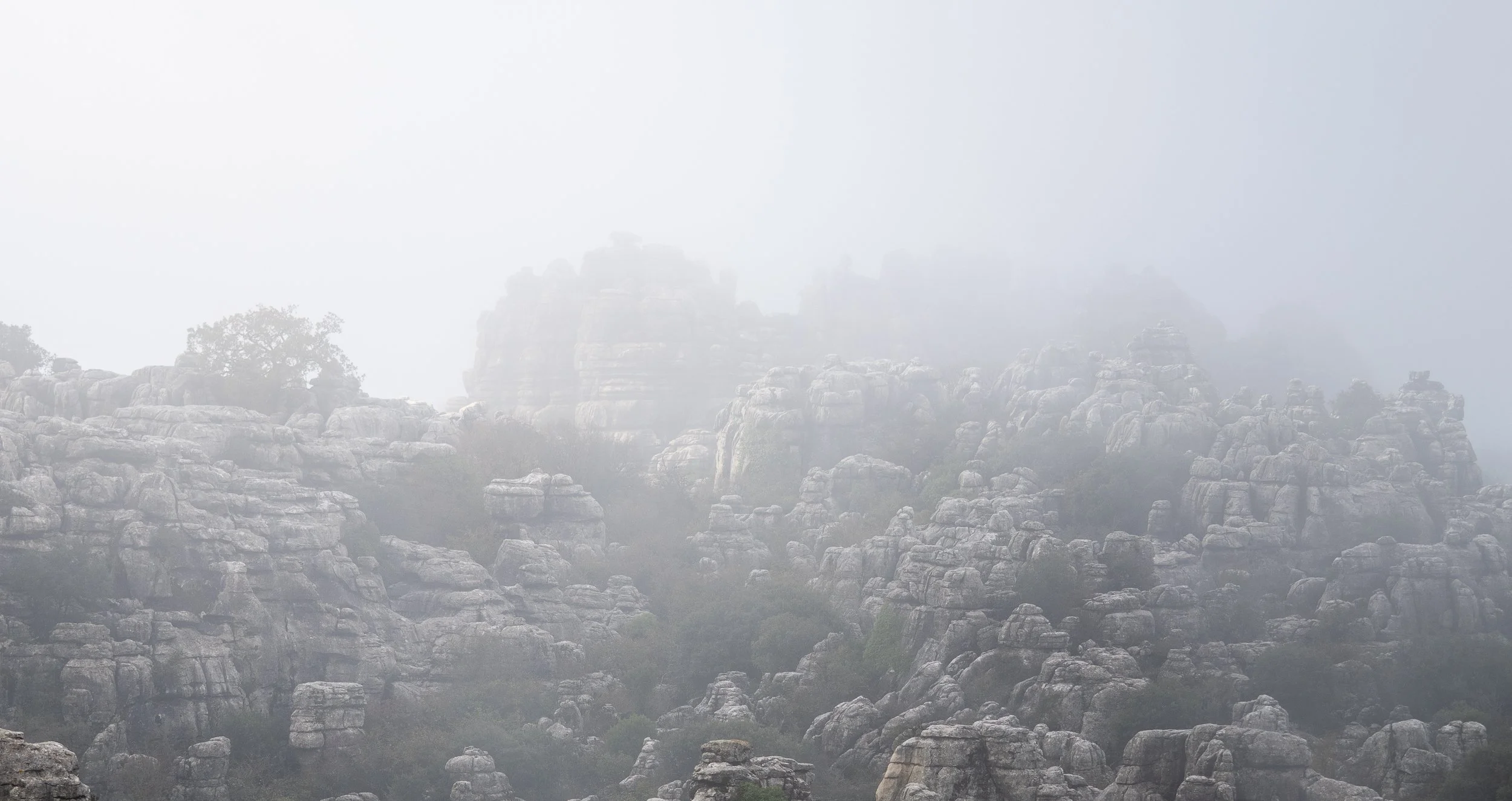
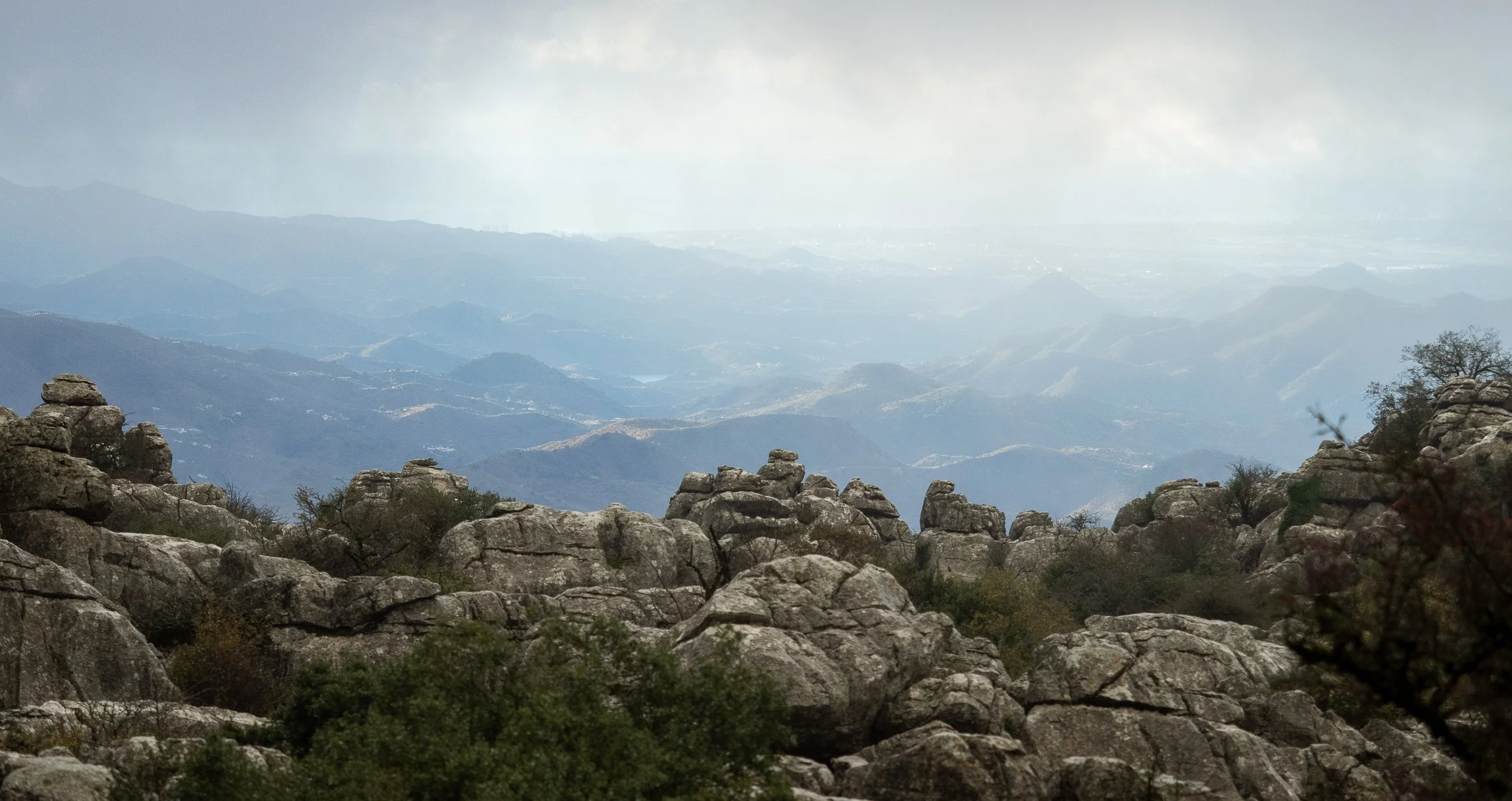
Heading to our final destination in the northern part of Andalusia, we stopped at El Torcal de Antequera Natural Park.
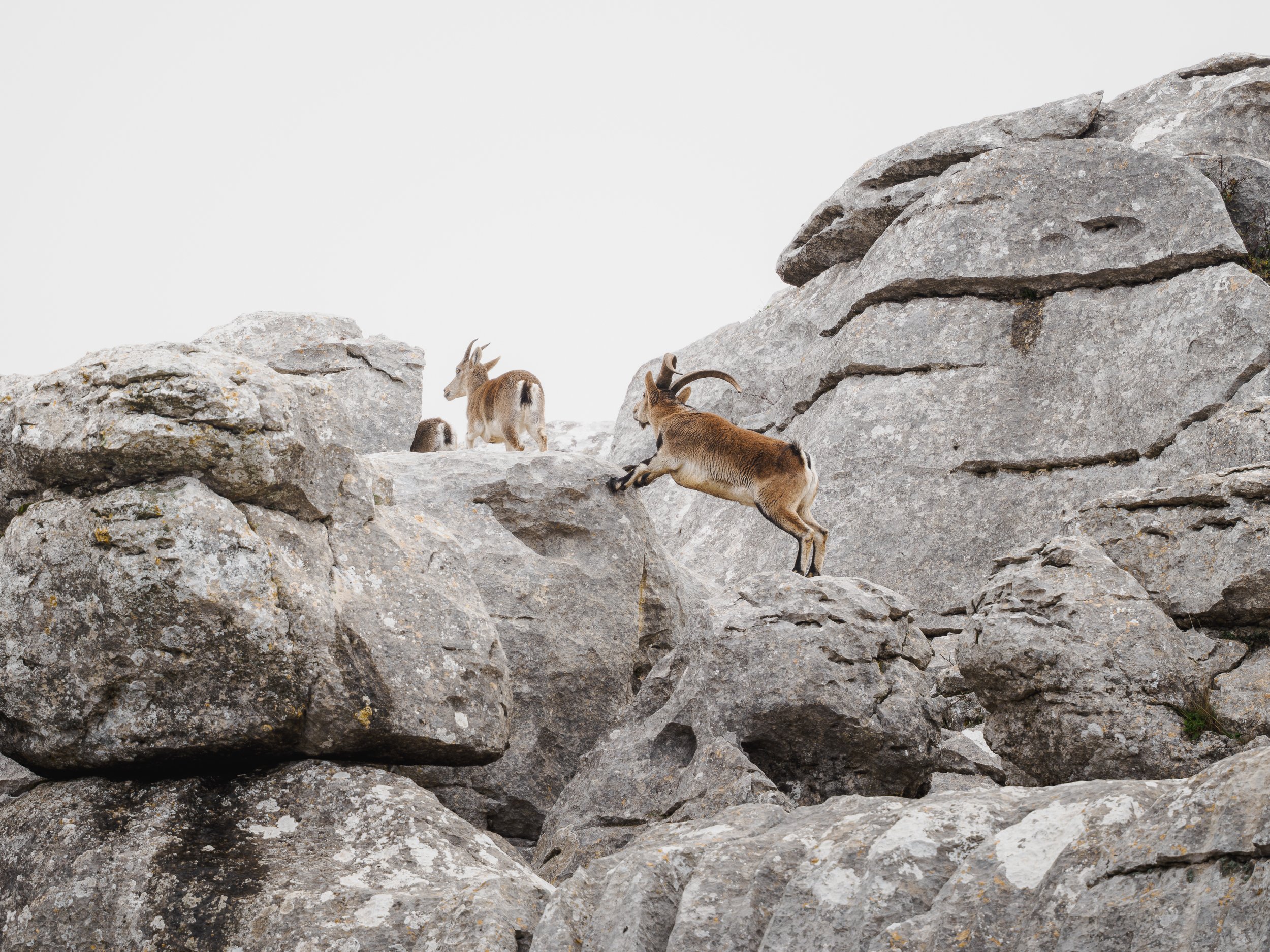
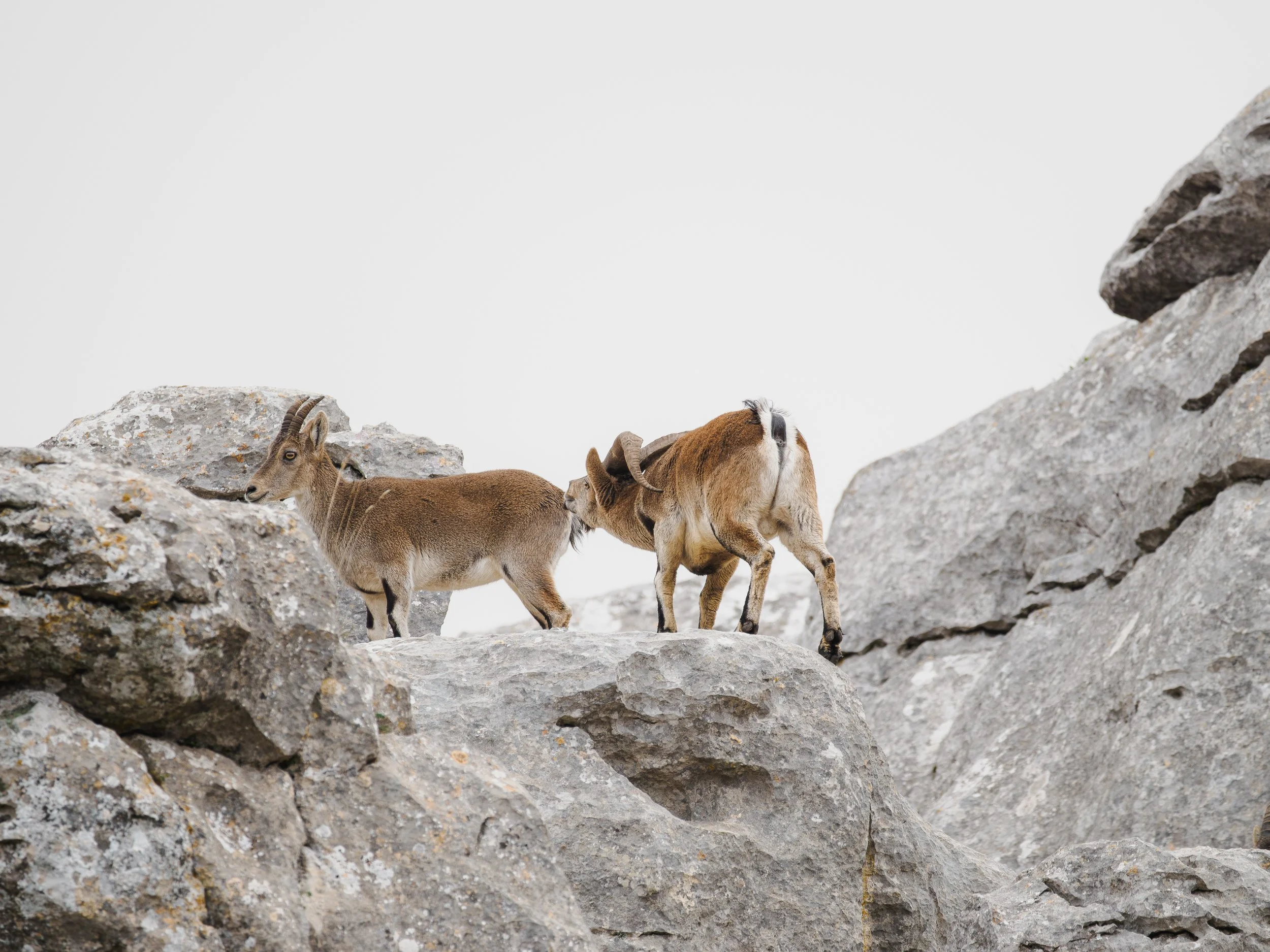
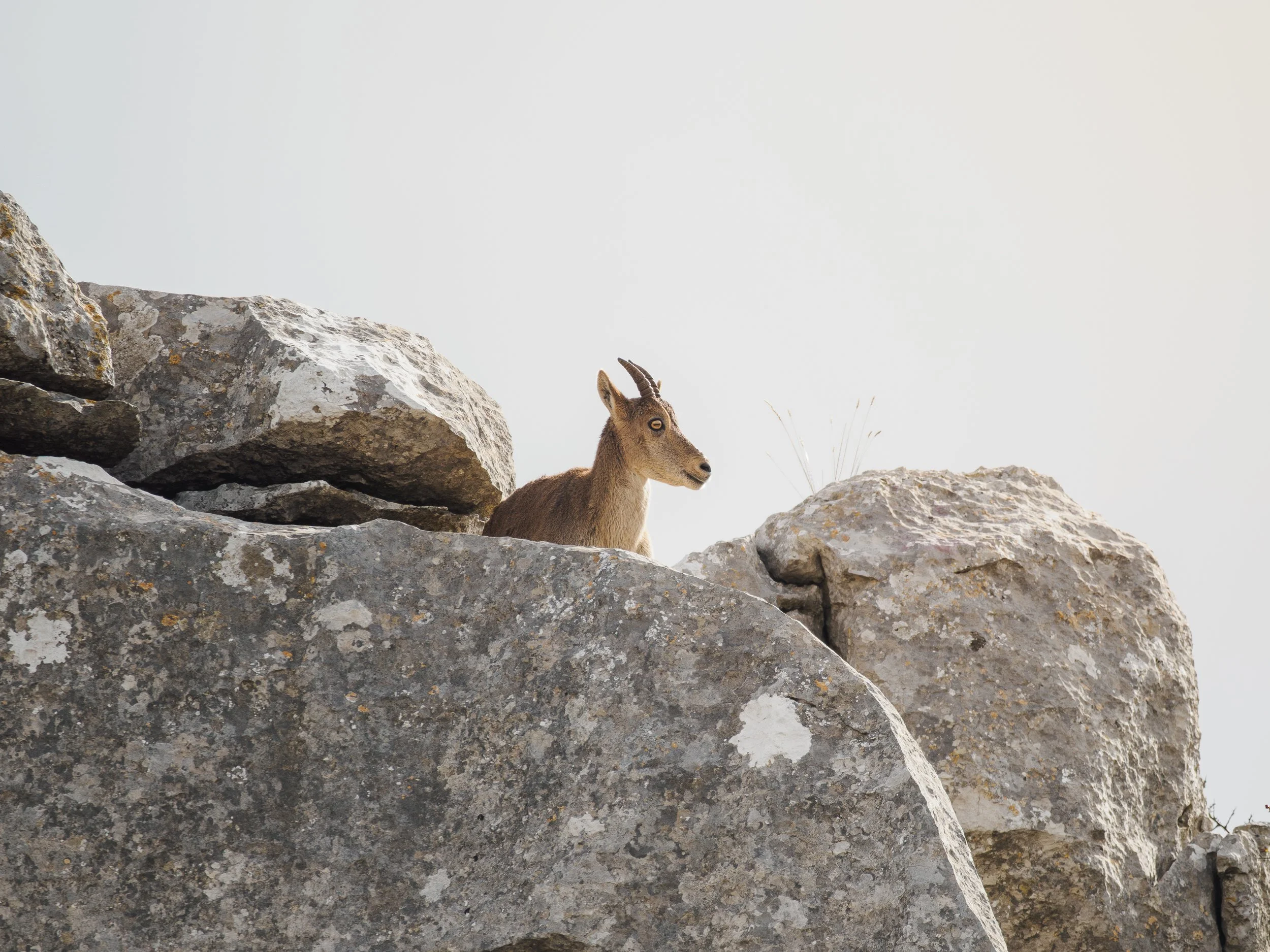
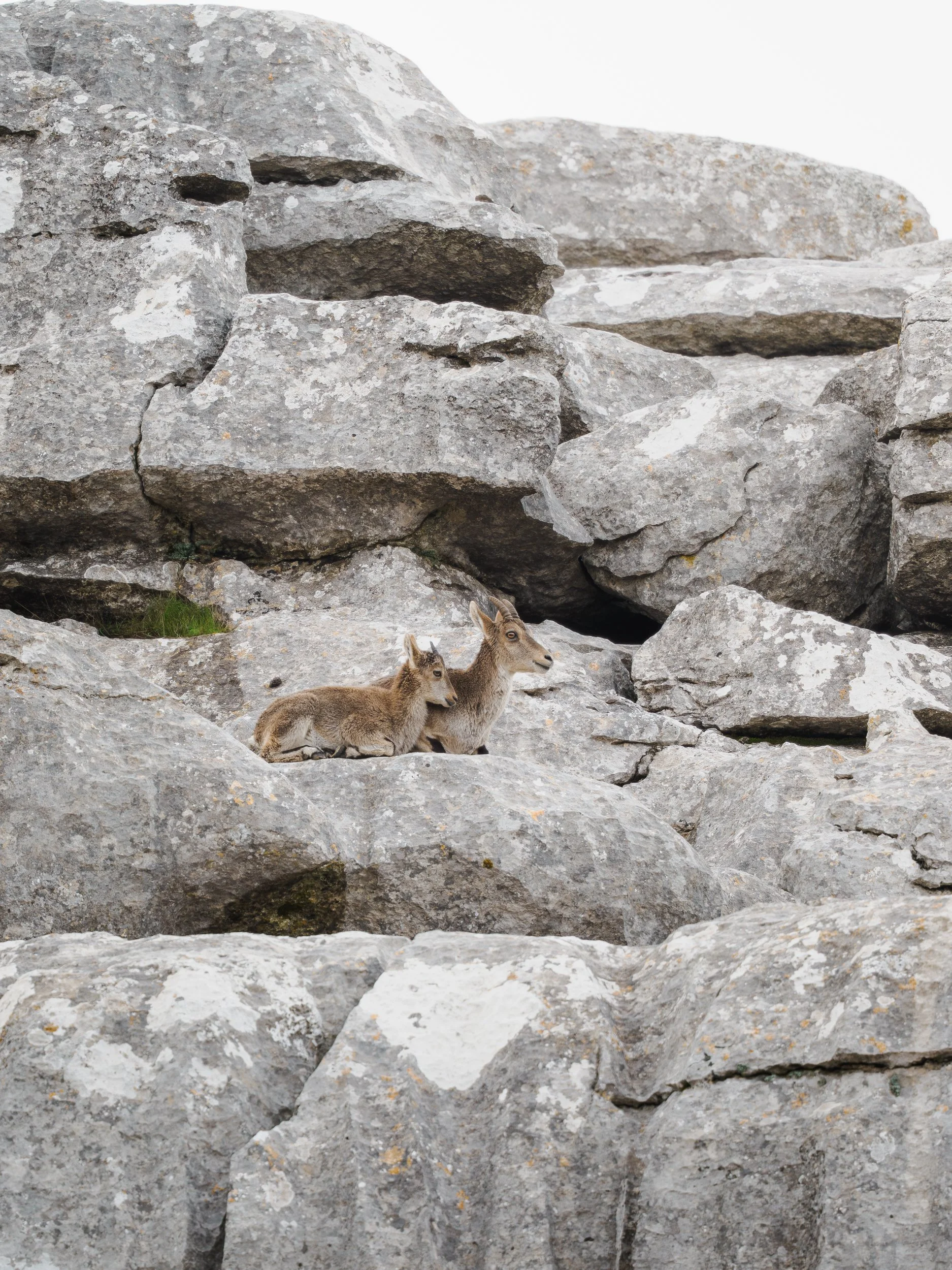
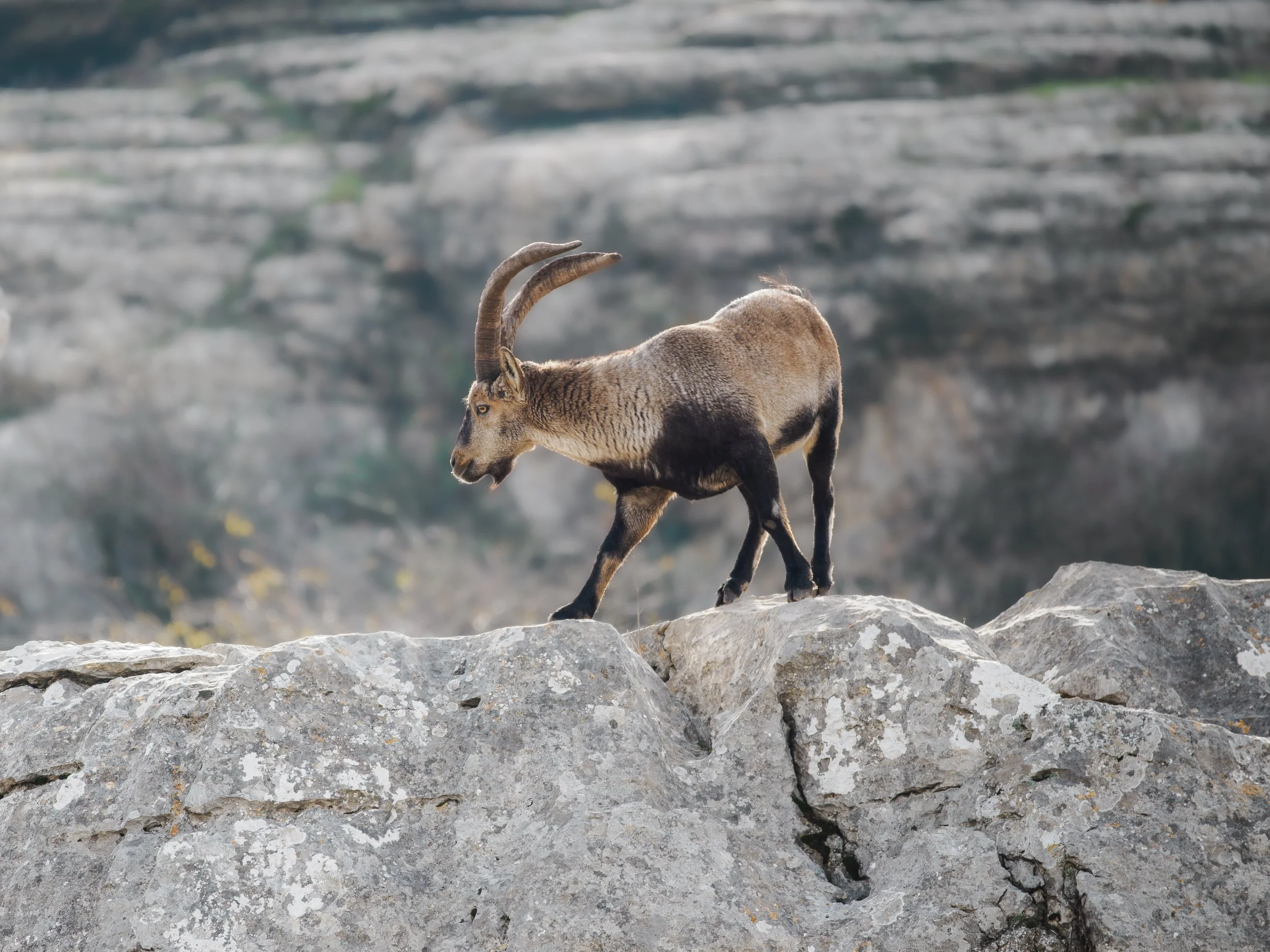
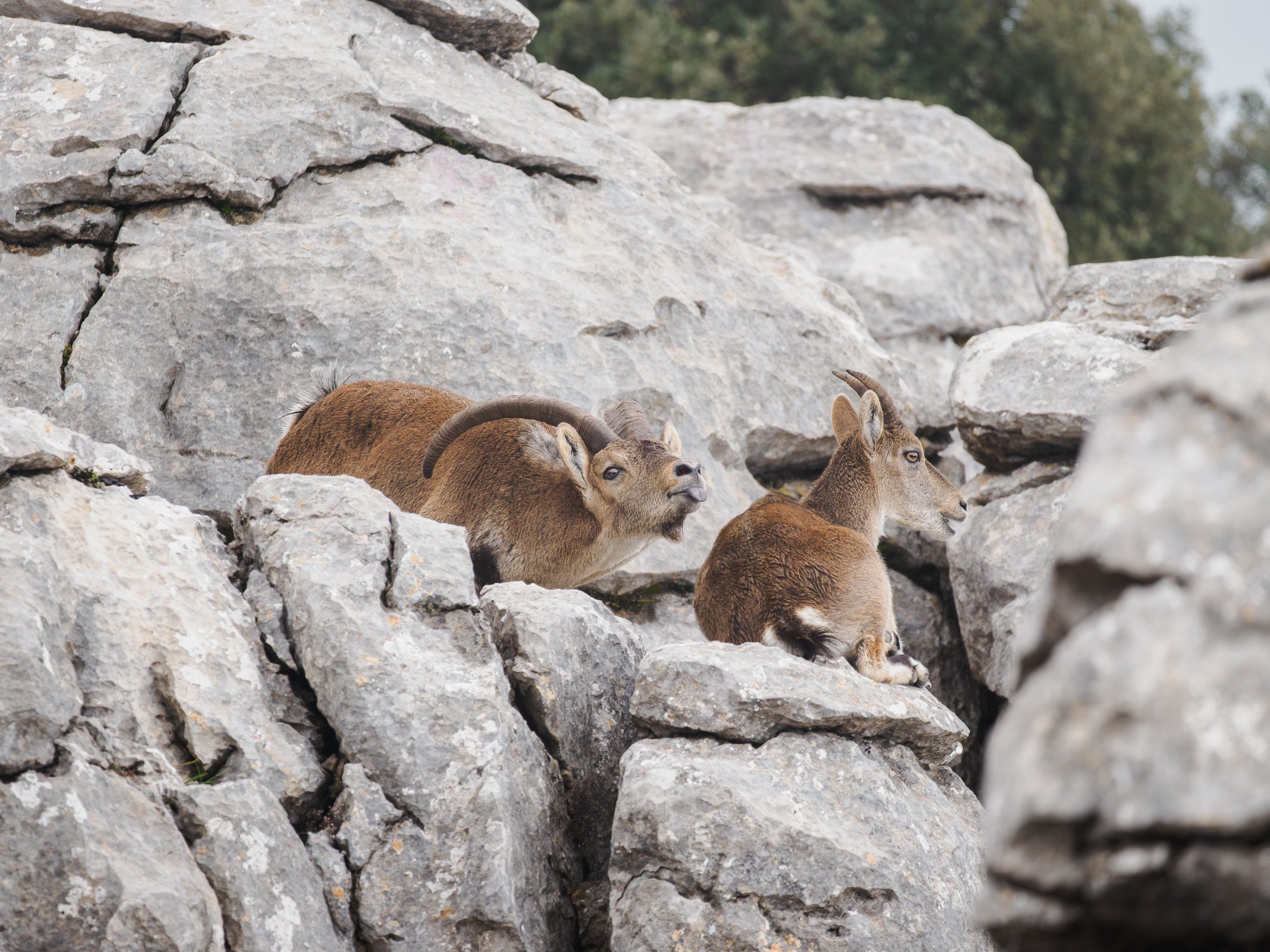
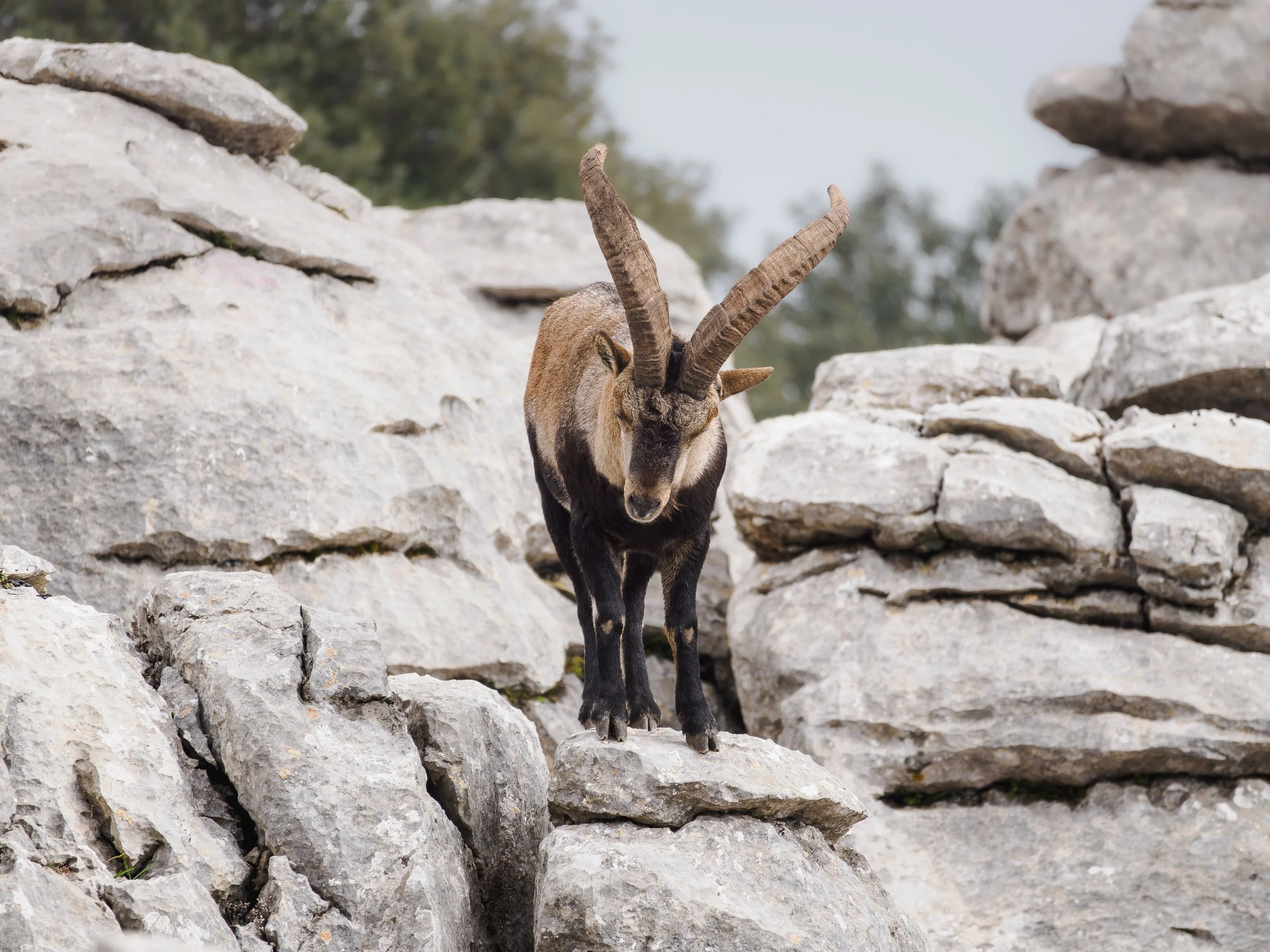
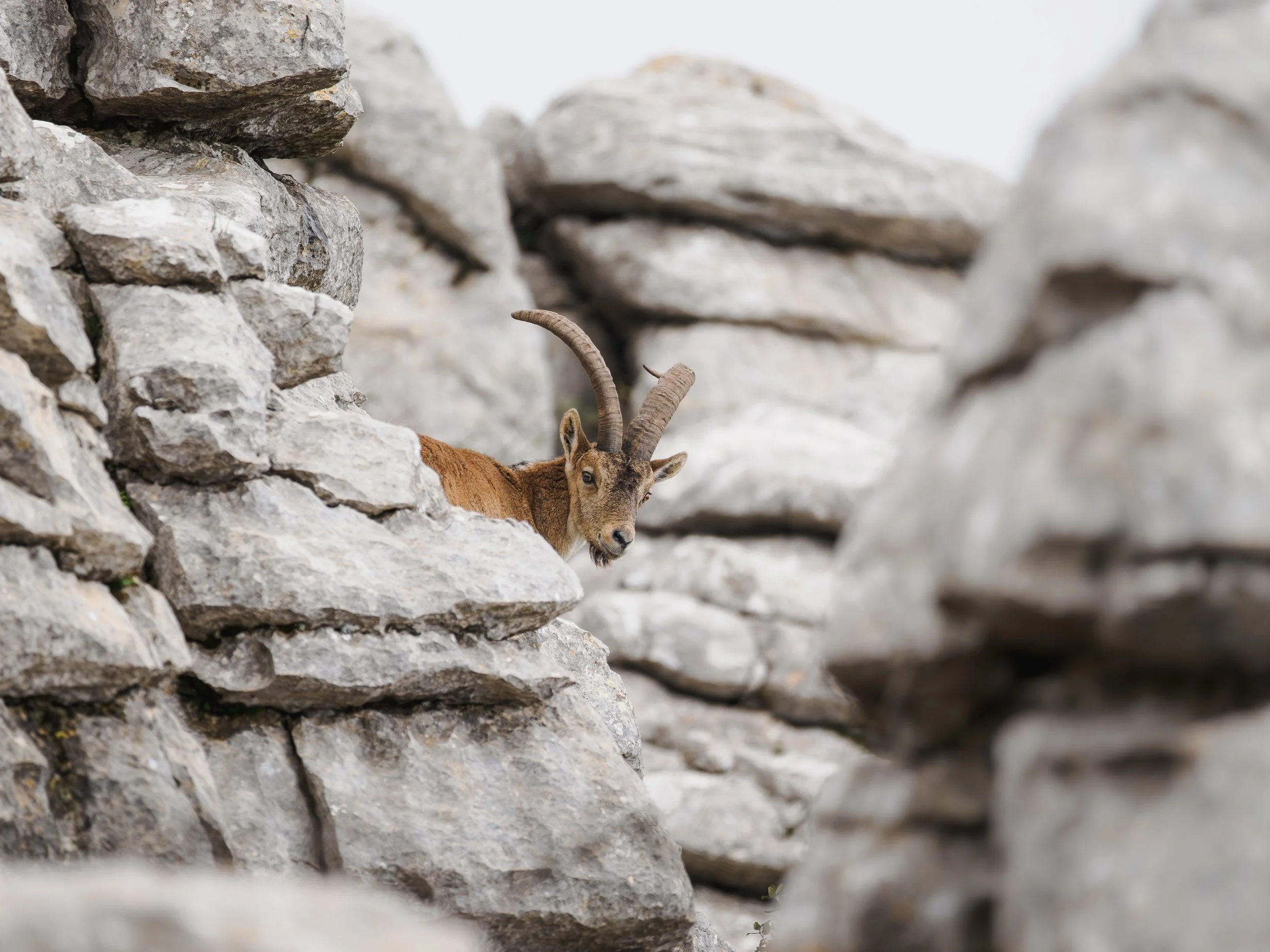
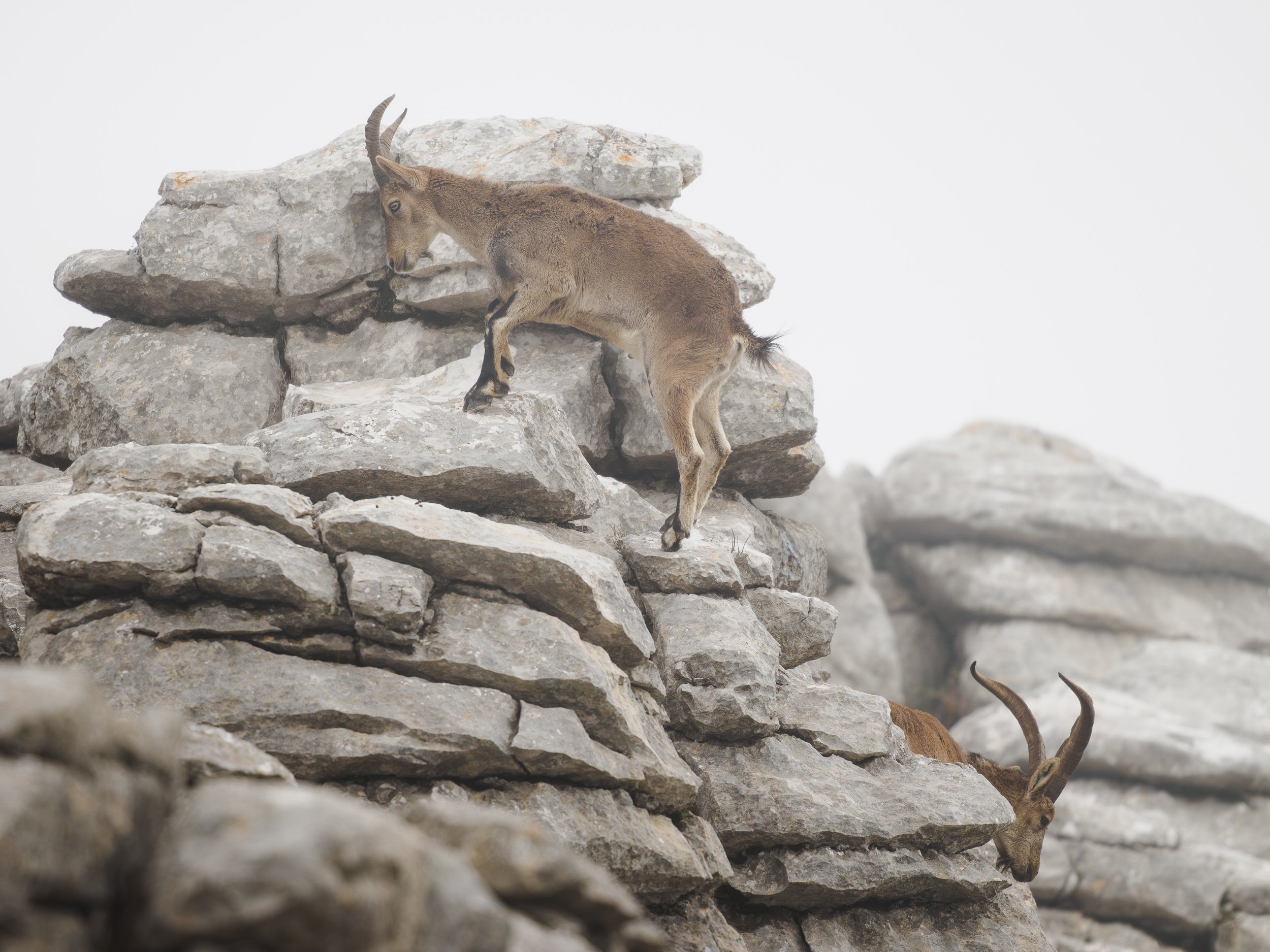
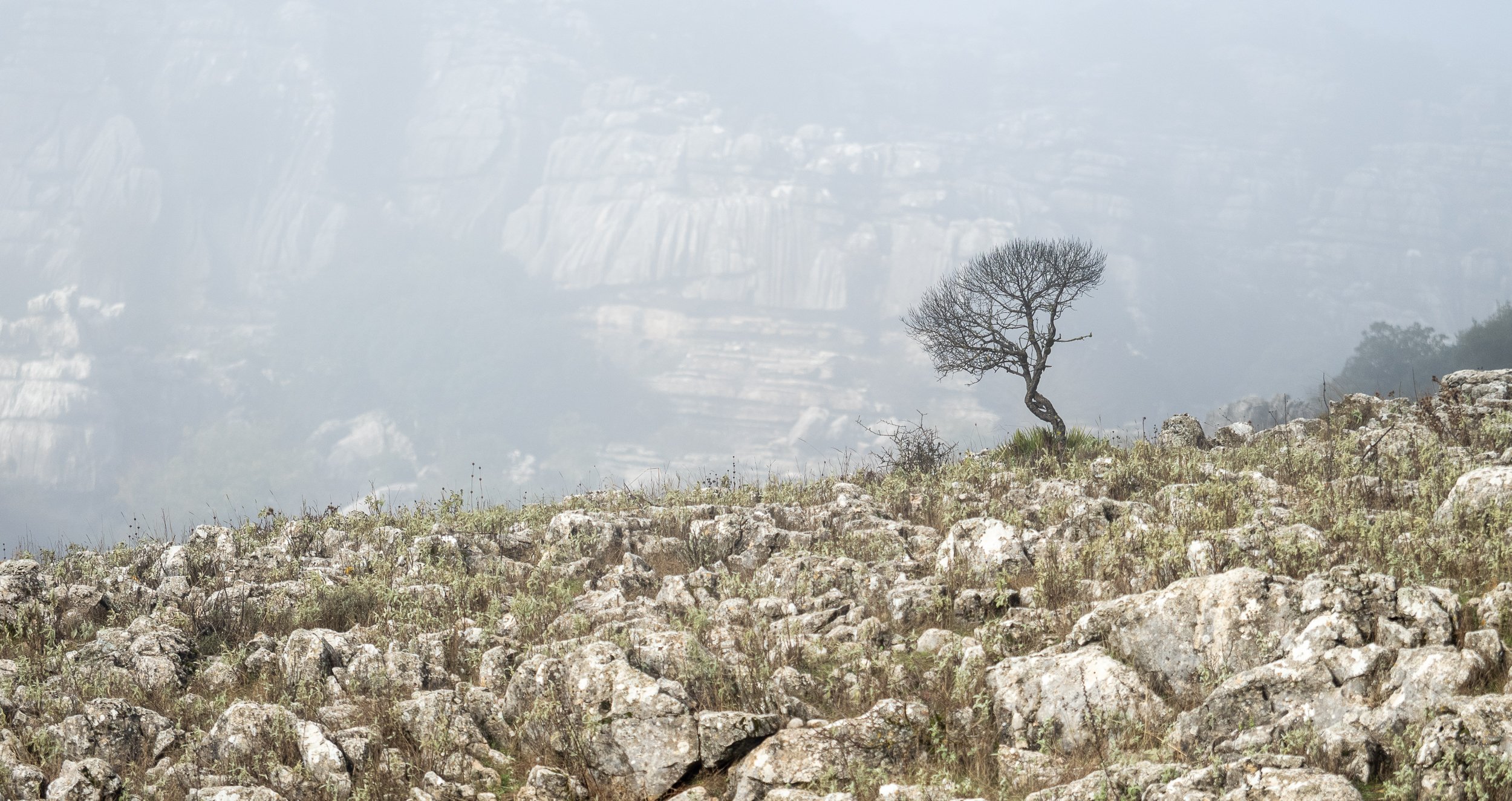
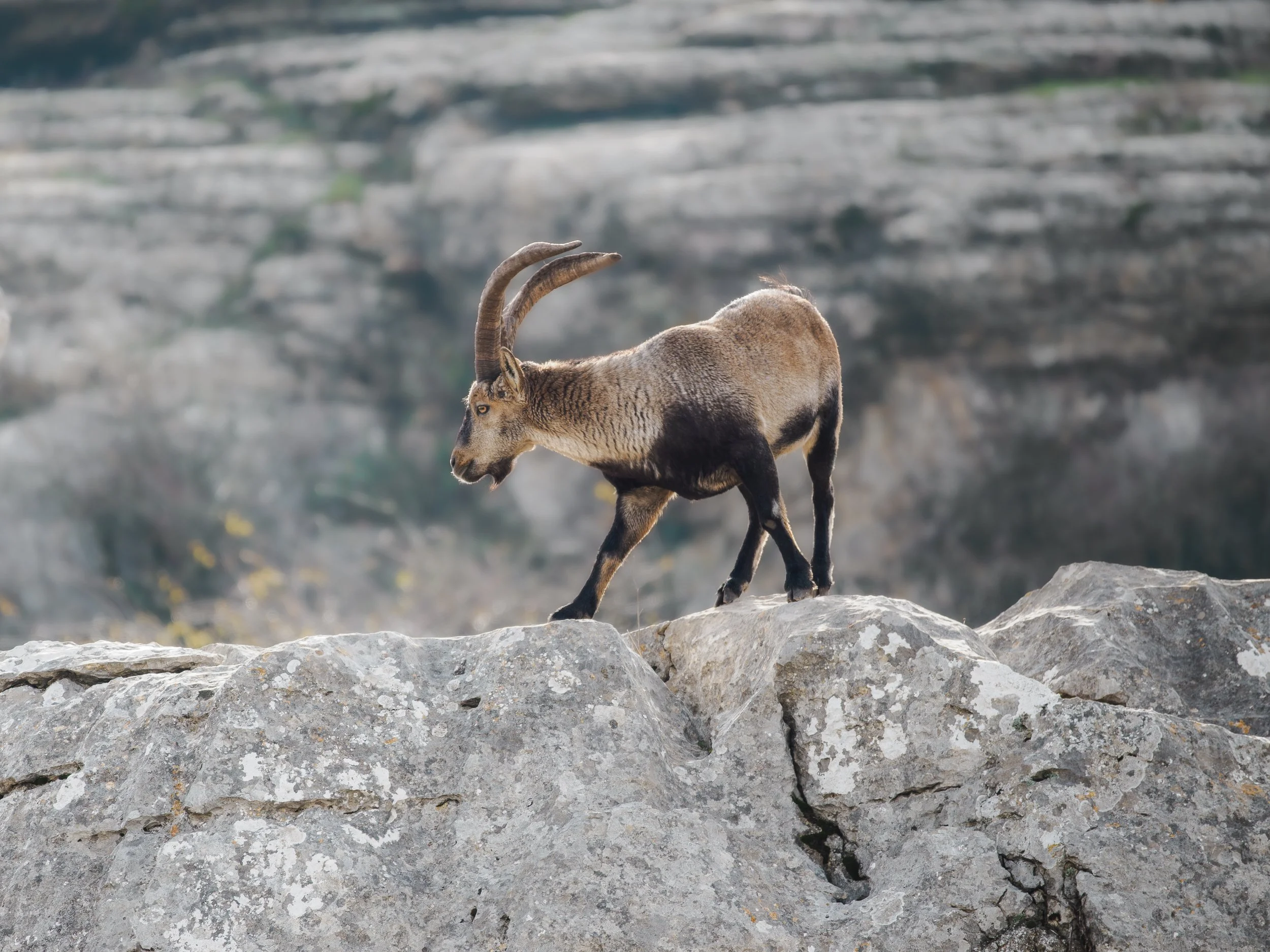
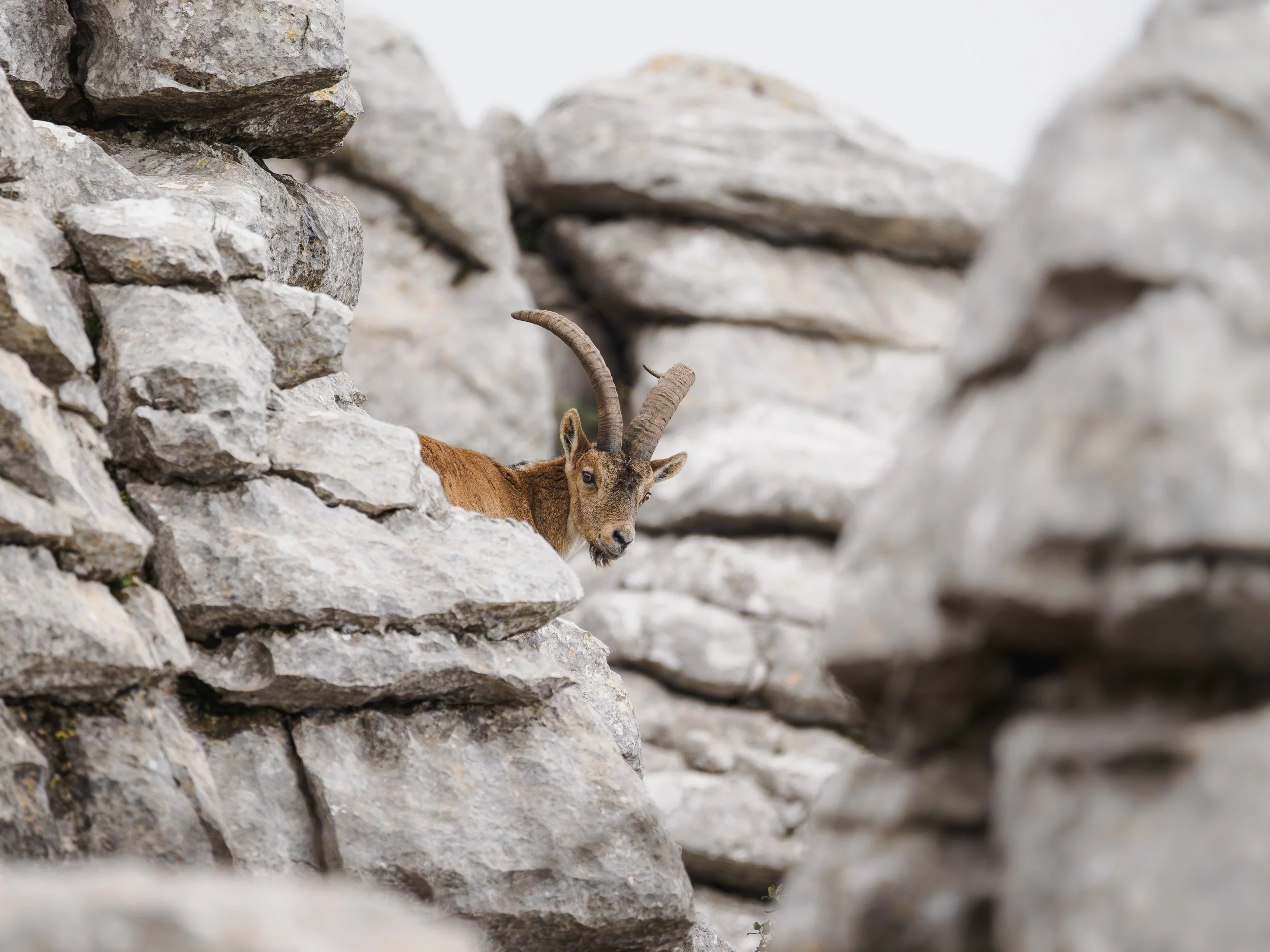
El Torcal de Antequera is a nature reserve in the Sierra del Torcal mountain range, located south of the city of Antequera. It's known for its unusual landforms and is regarded as one of the most impressive karst landscapes in Europe. This area was really majestic as the fog rolled in, giving the place an even more special feeling. However, we weren't there for the landscape (well, of course we were, partly) — more so for the Iberian Ibex that lives there. With the rain, fog, and cold, it looked like we weren't going to get lucky that morning. The visitor centre being closed due to an electricity outage from the storm the night before didn't help either.
After wandering around the area all morning, the weather slowly cleared and the sun came out to greet us — and at the same time, we saw our first Ibex. We couldn't believe our luck when it wasn't just one, but the whole family, including the "grandpa" of them all — the big male Ibex. We couldn't have asked for more; it was a build-up that paid off. Thanks again to Alvaro, who persevered and let us stay until the very end to capture these mountaineers. These Ibex move effortlessly across rocky terrain — so cool to see.
Final destination — Andújar
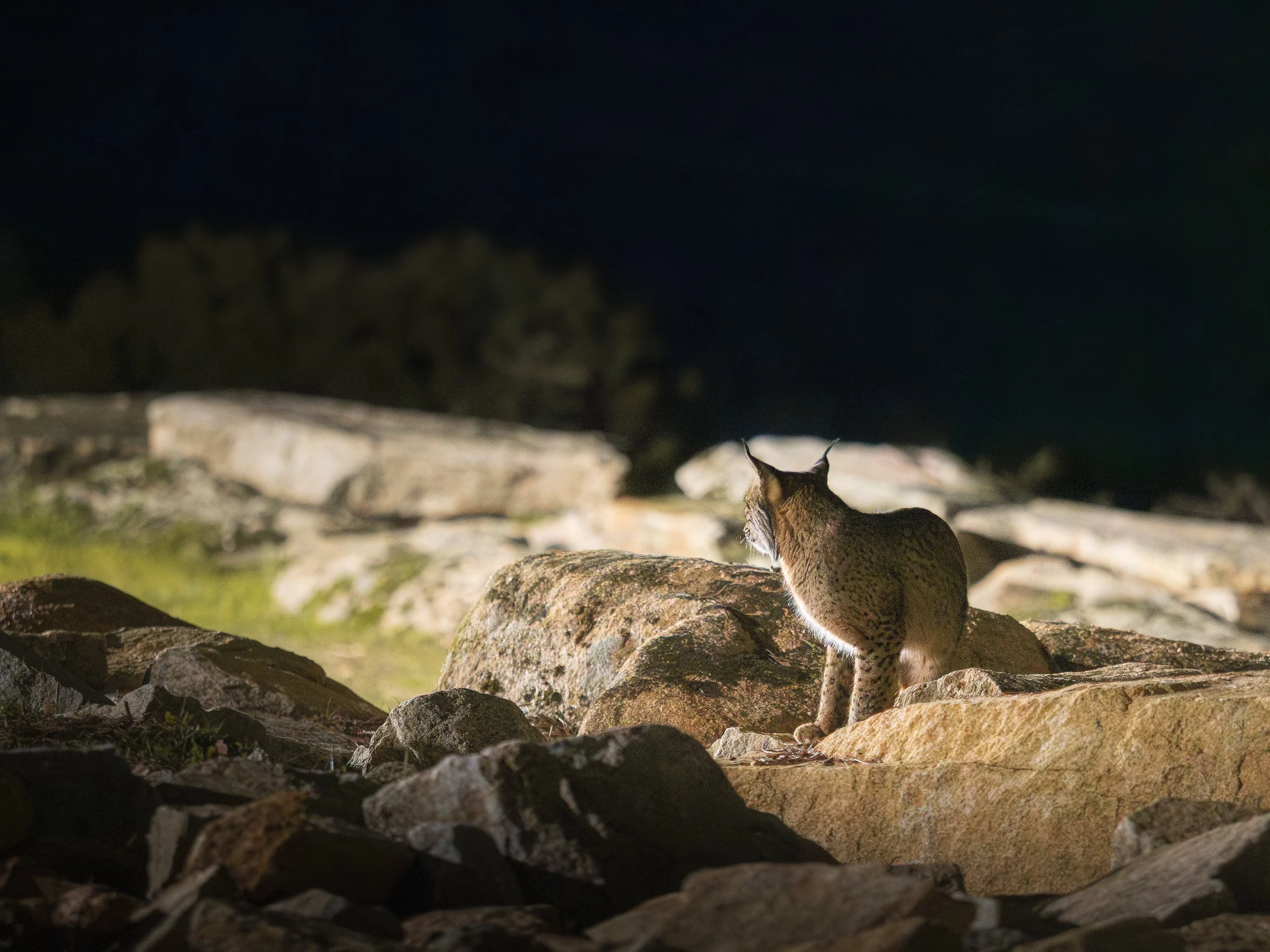
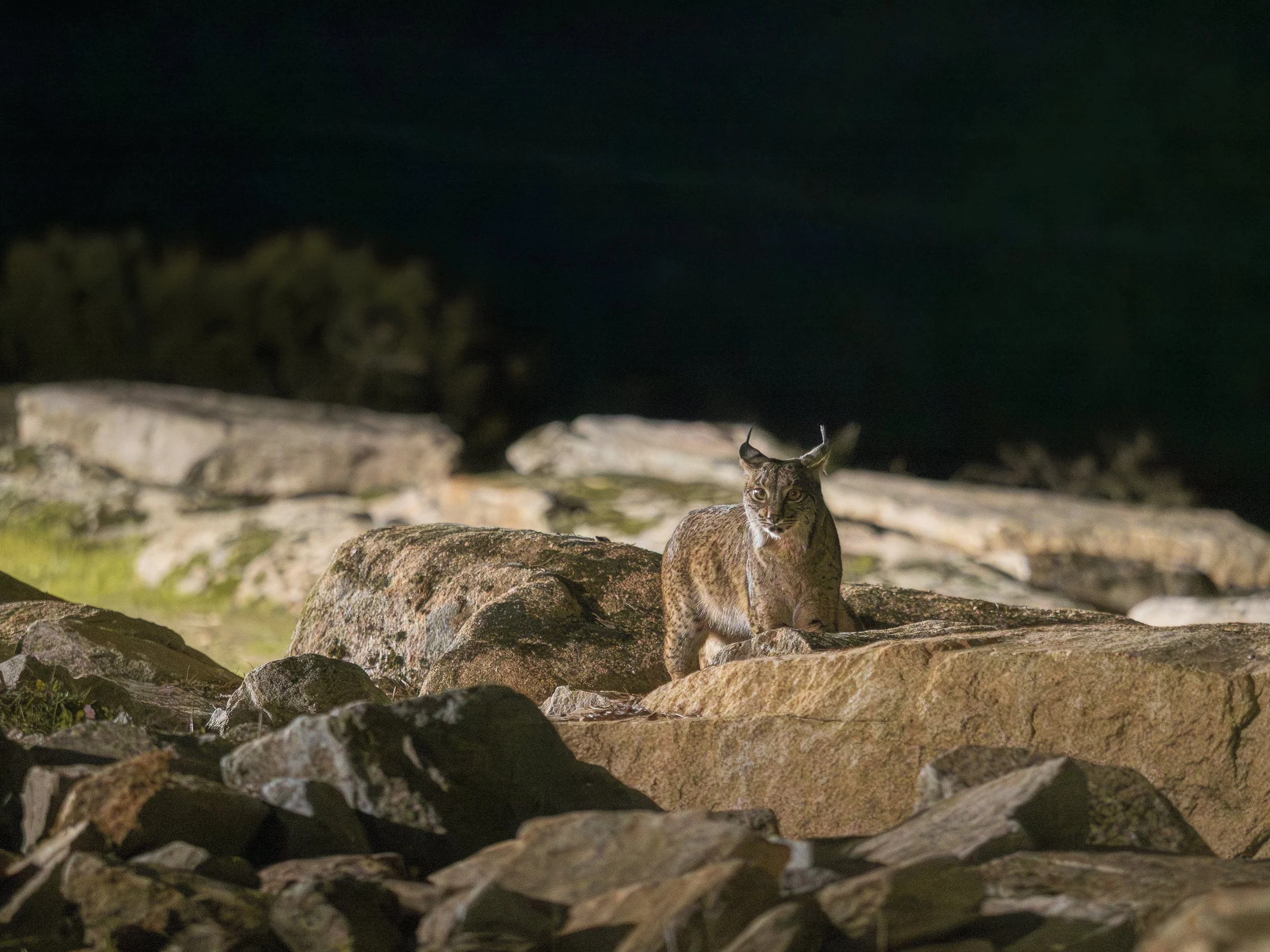
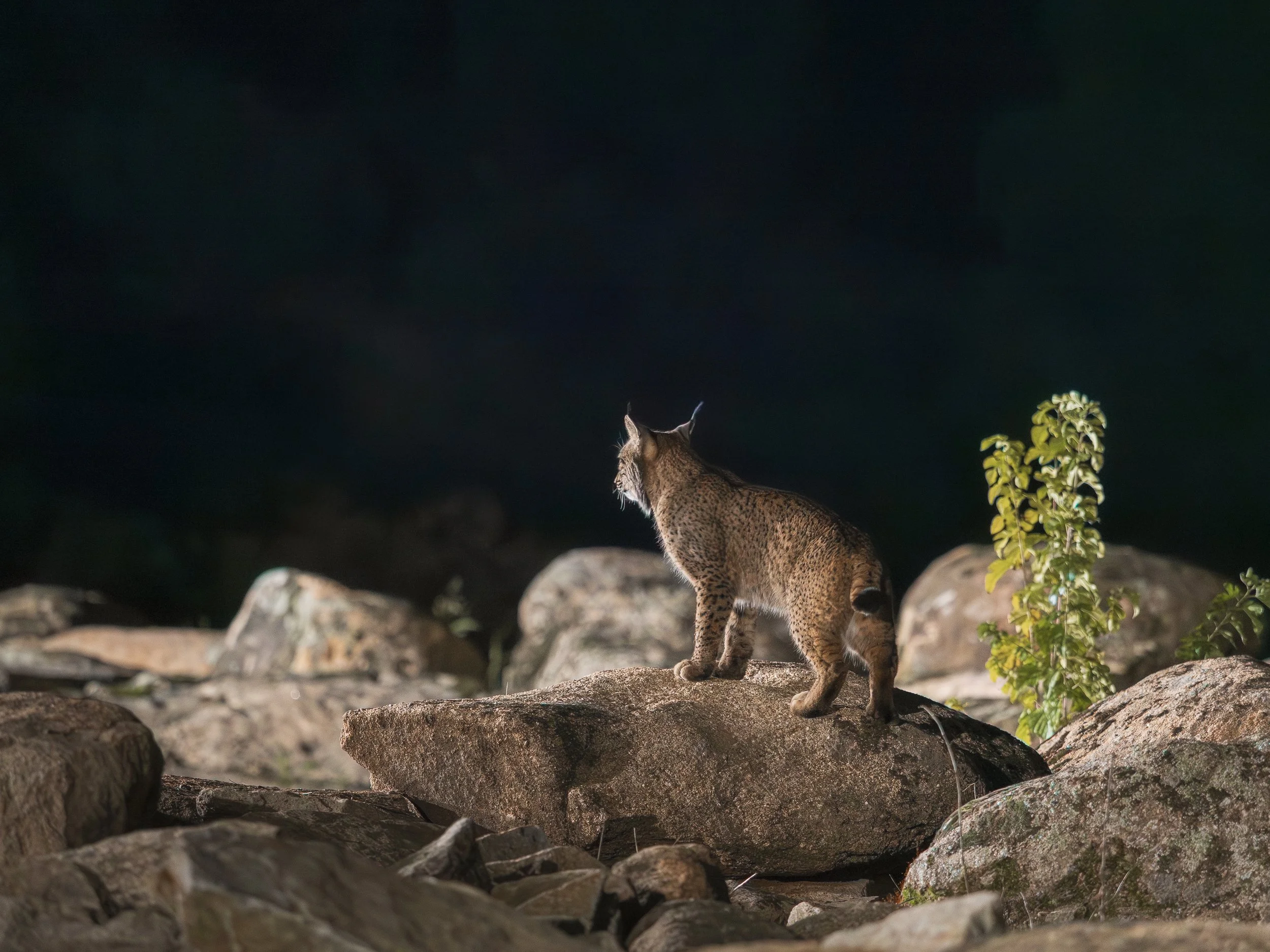
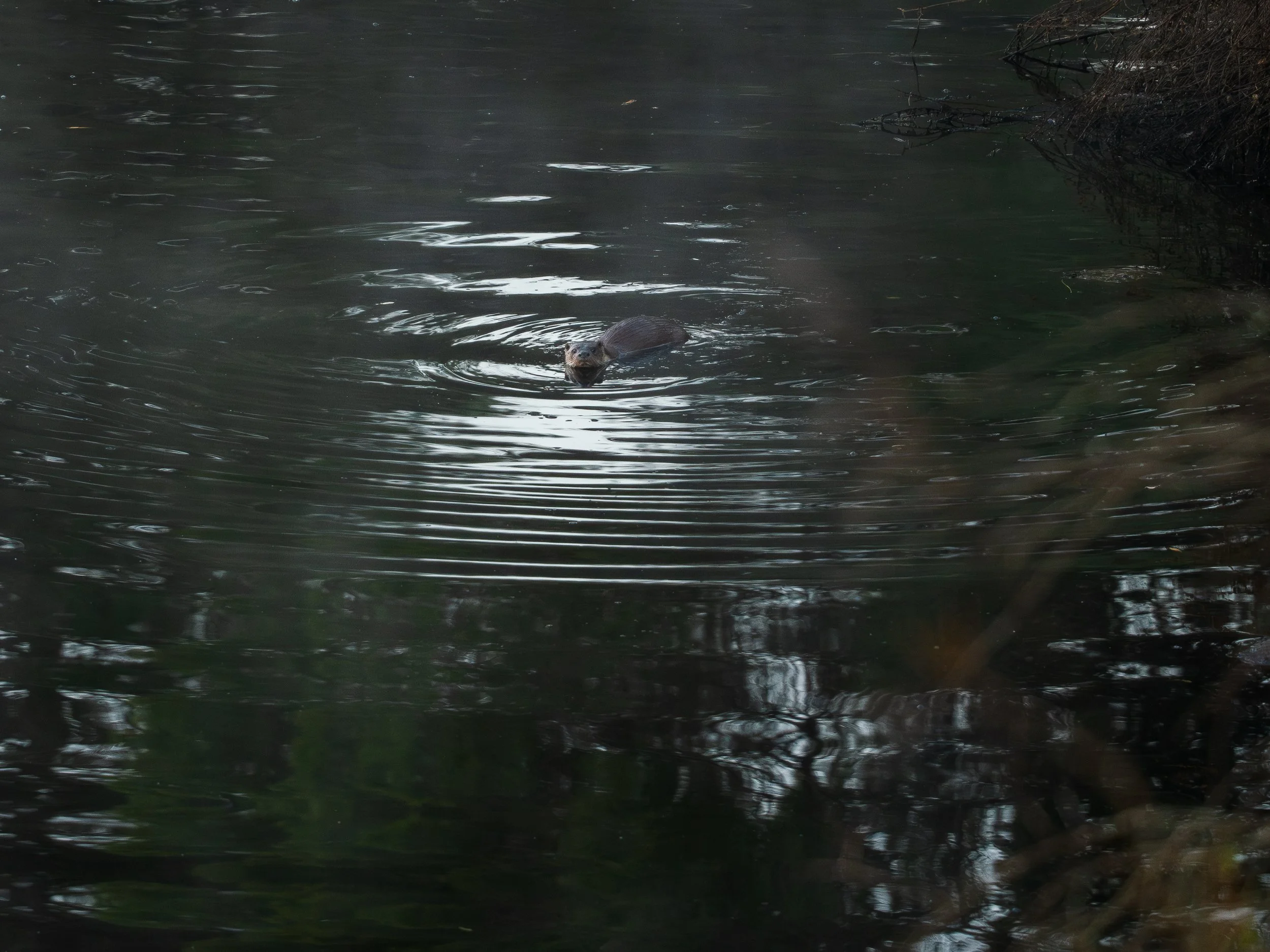
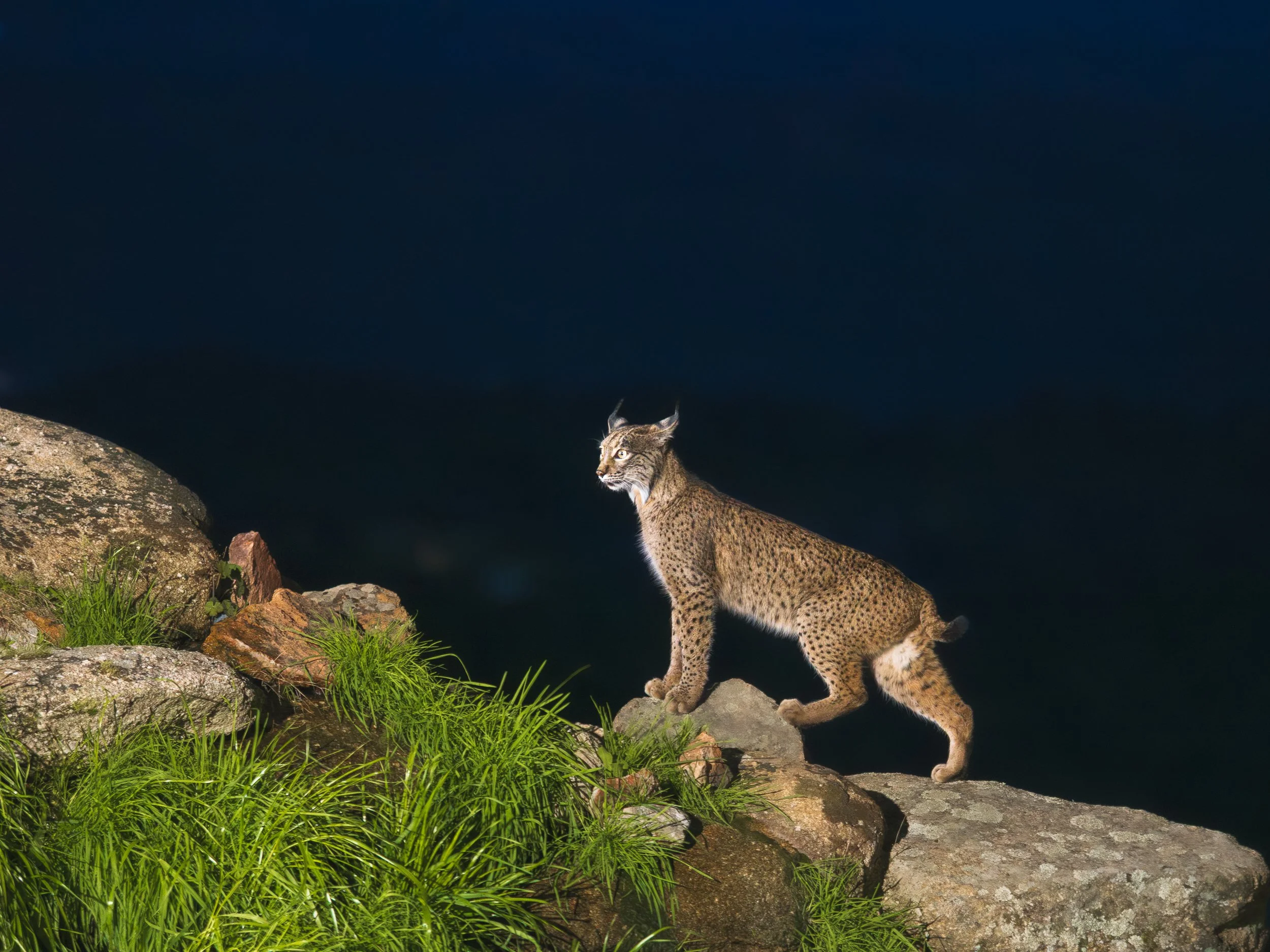
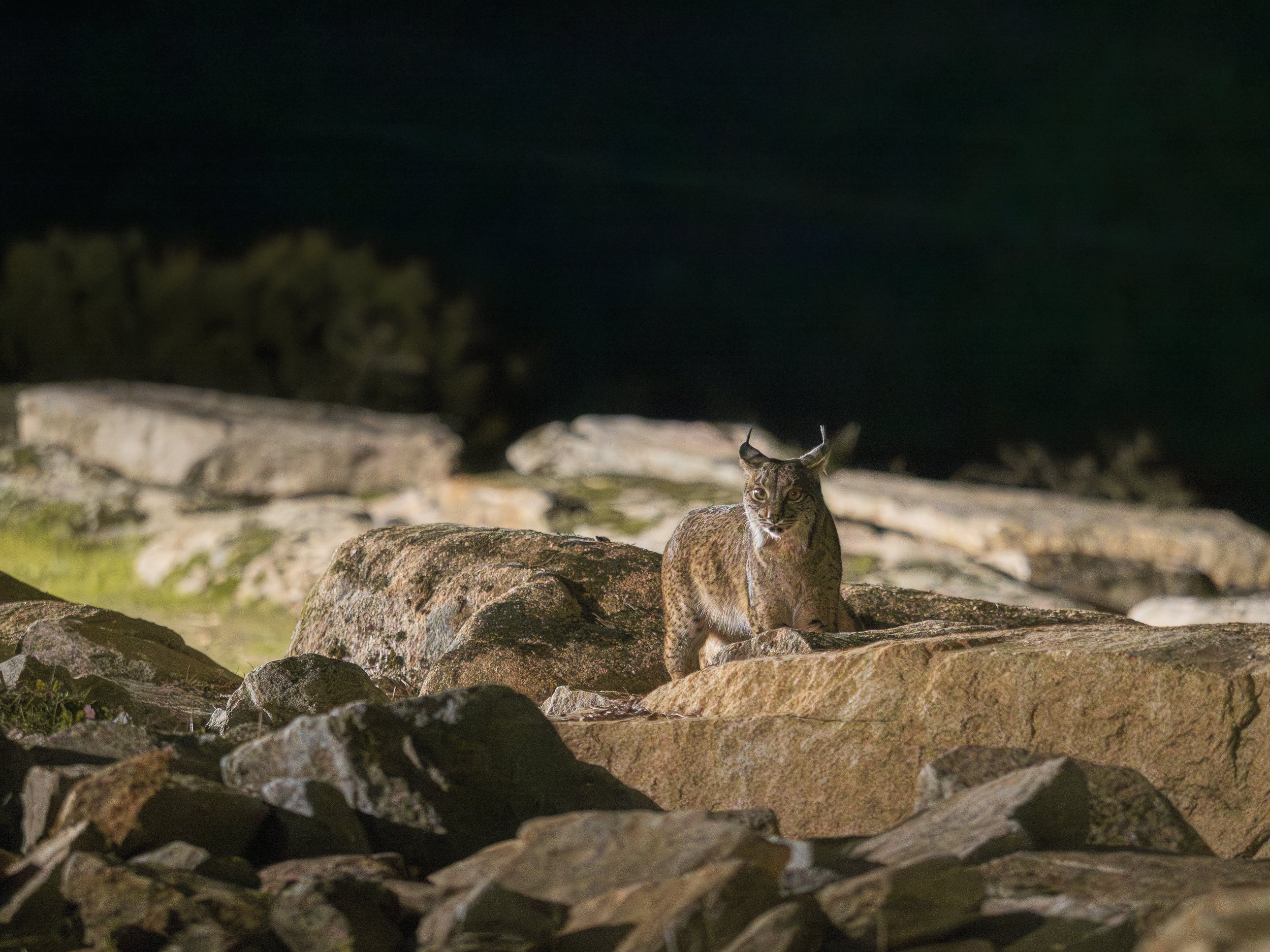
The last destination of the trip was Andújar, where it was all about photographing the increasingly popular and growing population of wild Iberian Lynx that thrive in the area. Luckily, Lynx numbers are growing again after the species nearly went extinct — primarily due to overhunting, poaching, habitat fragmentation, and the decline of its main prey species, the European rabbit. The area we were in is now a nature reserve that preserves the habitat and, on rare occasions, helps feed the Lynx by introducing more wild rabbits.
We joined a larger group with hides set up in basically someone's backyard — not quite, but you get the idea. From then on it was a waiting game, and a long one at that. We had two days to make it work, and at the end of day one, at dusk, two Lynx came out to hunt. With the help of some lights that were only on for an hour after sunset, to avoid disturbing other wildlife, I managed to capture these photos. Not quite what I had pictured, but exactly what I'd hoped for after two long days of absolute silence.
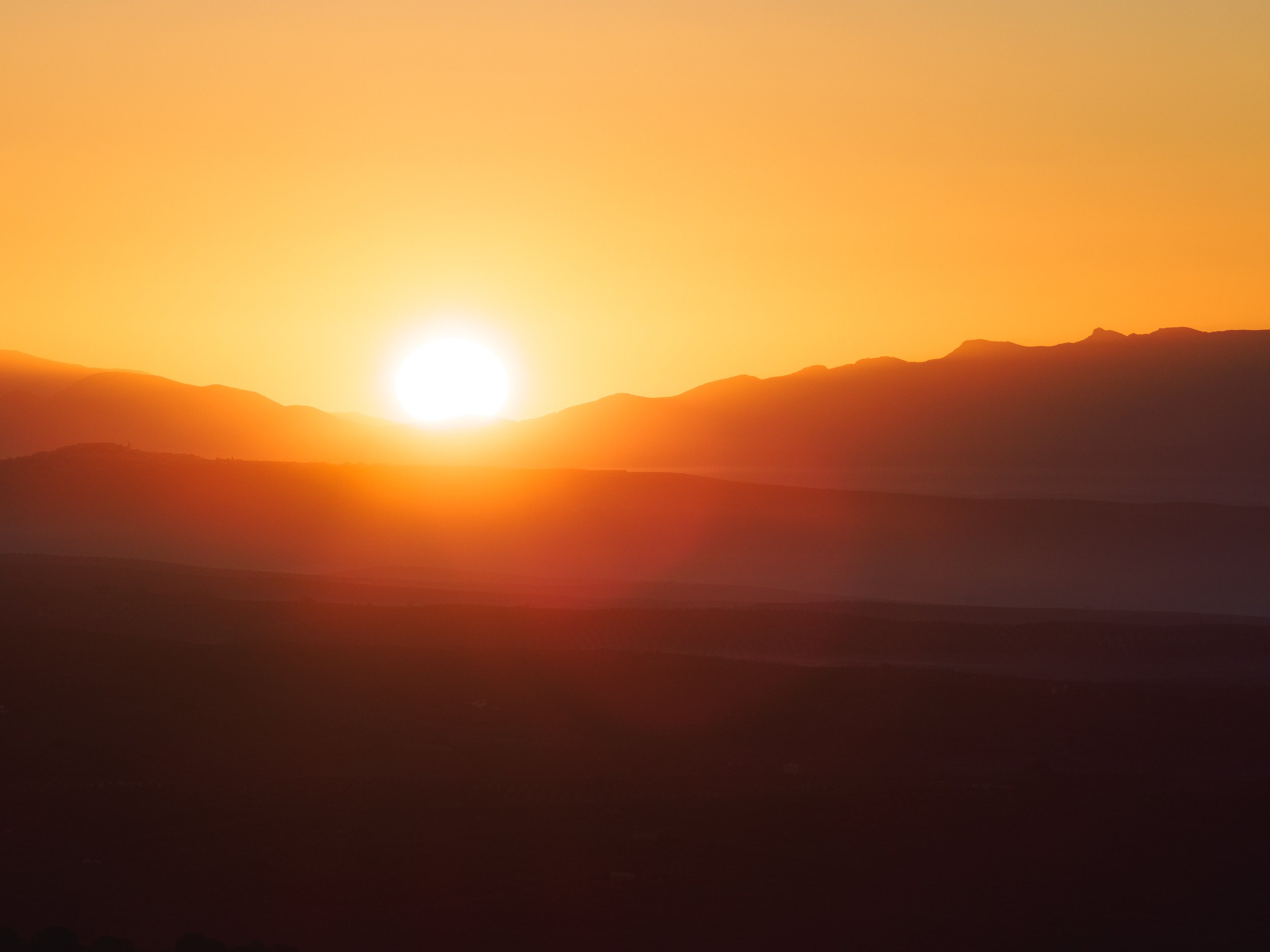
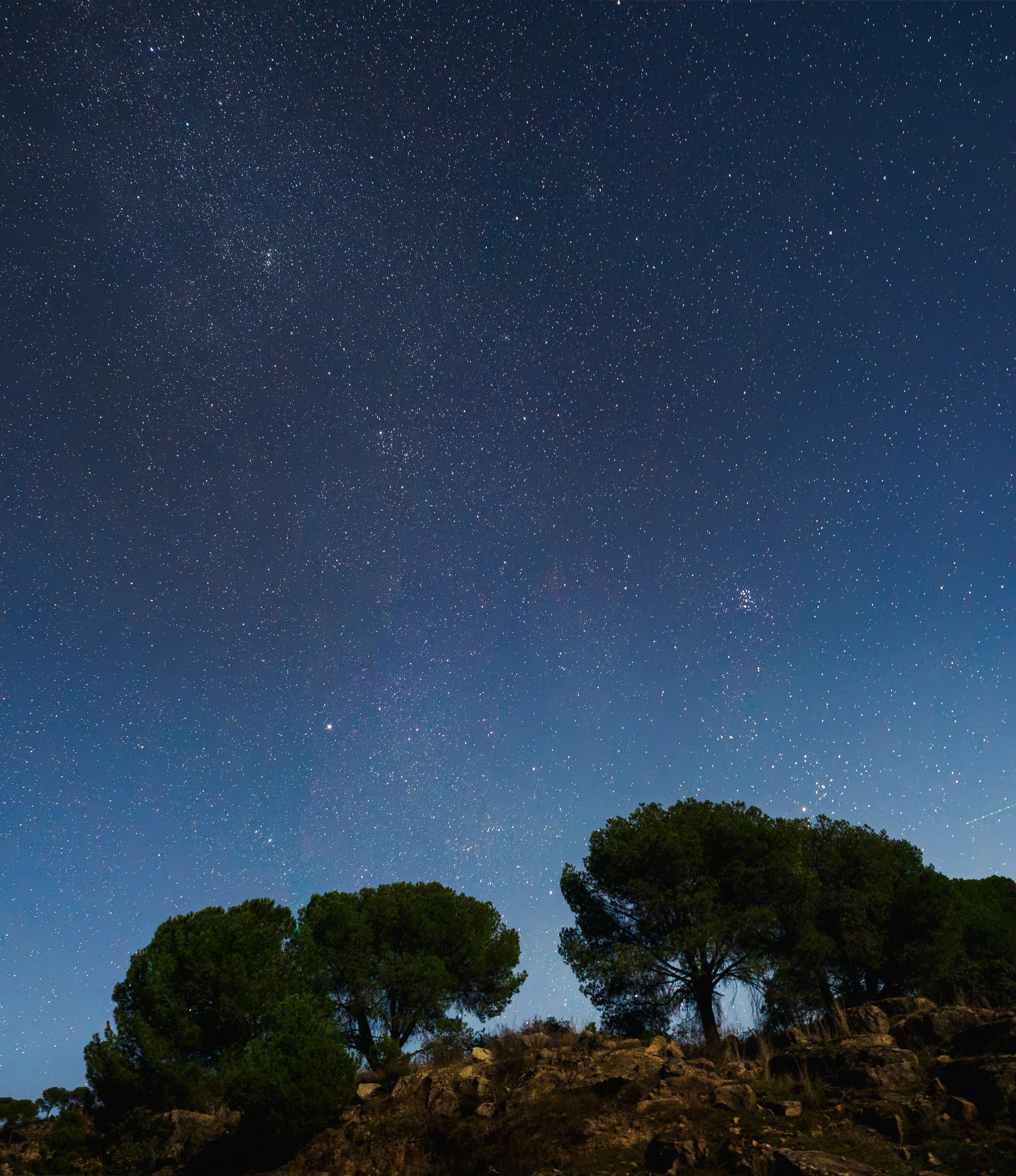
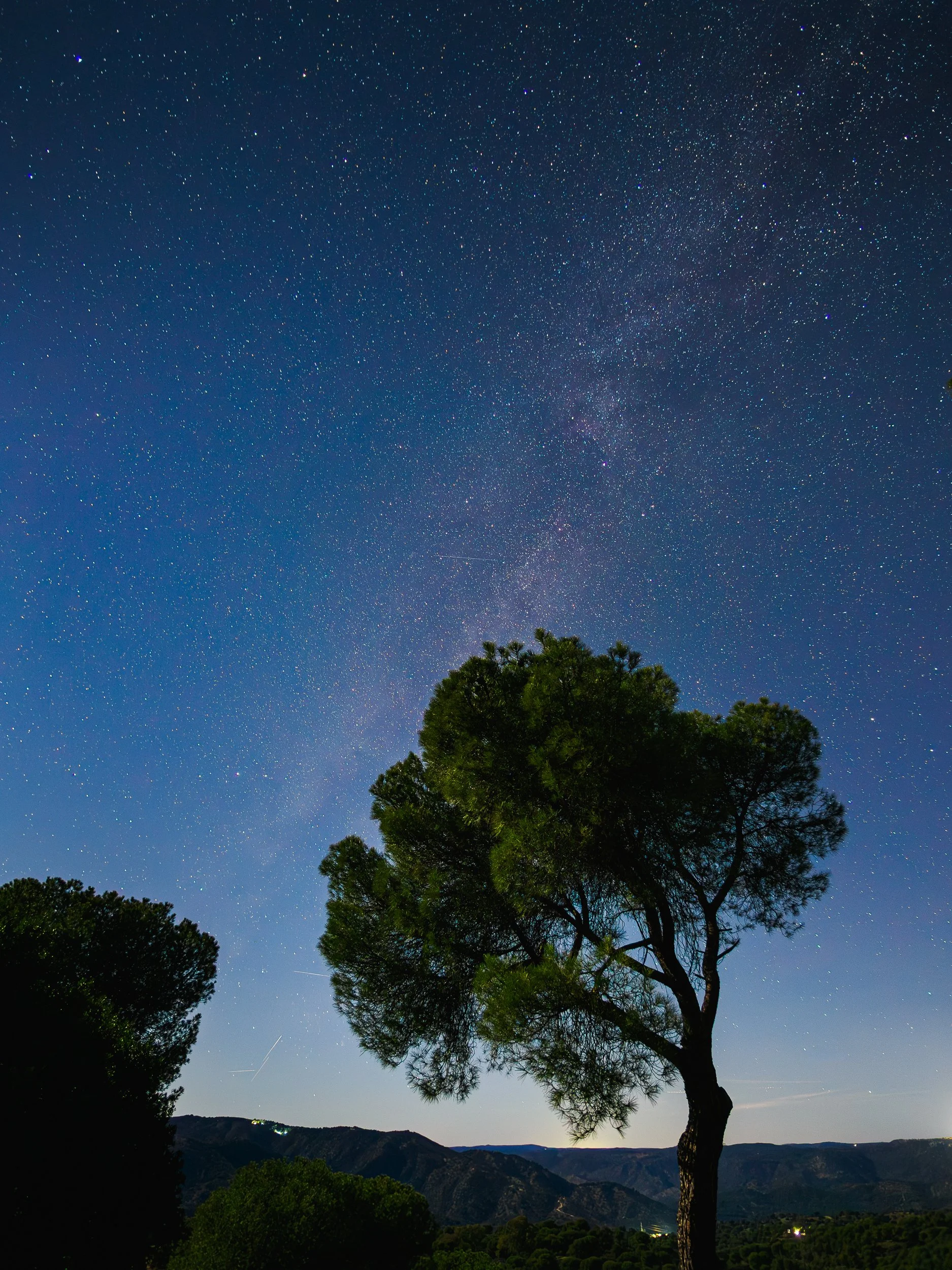
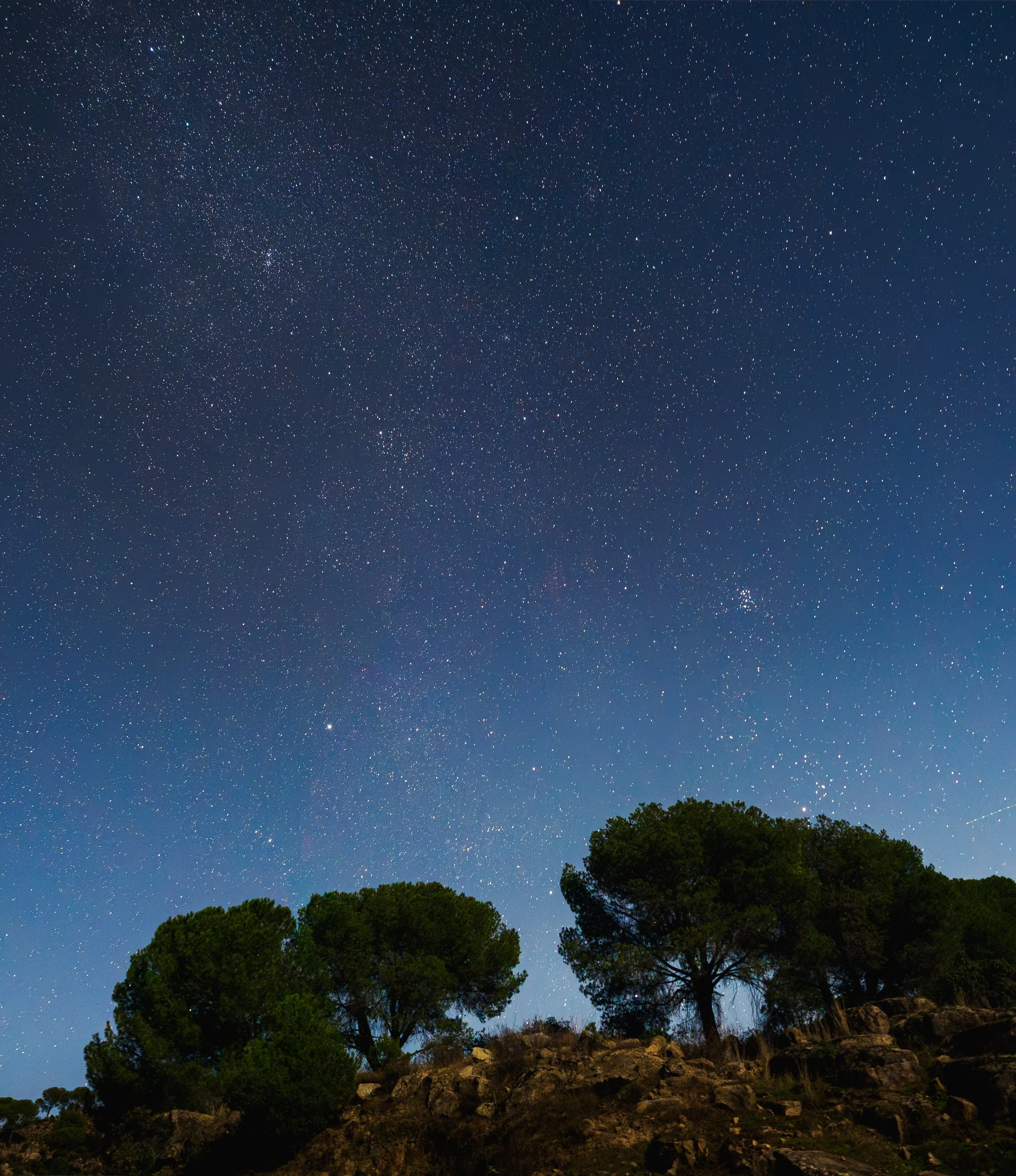
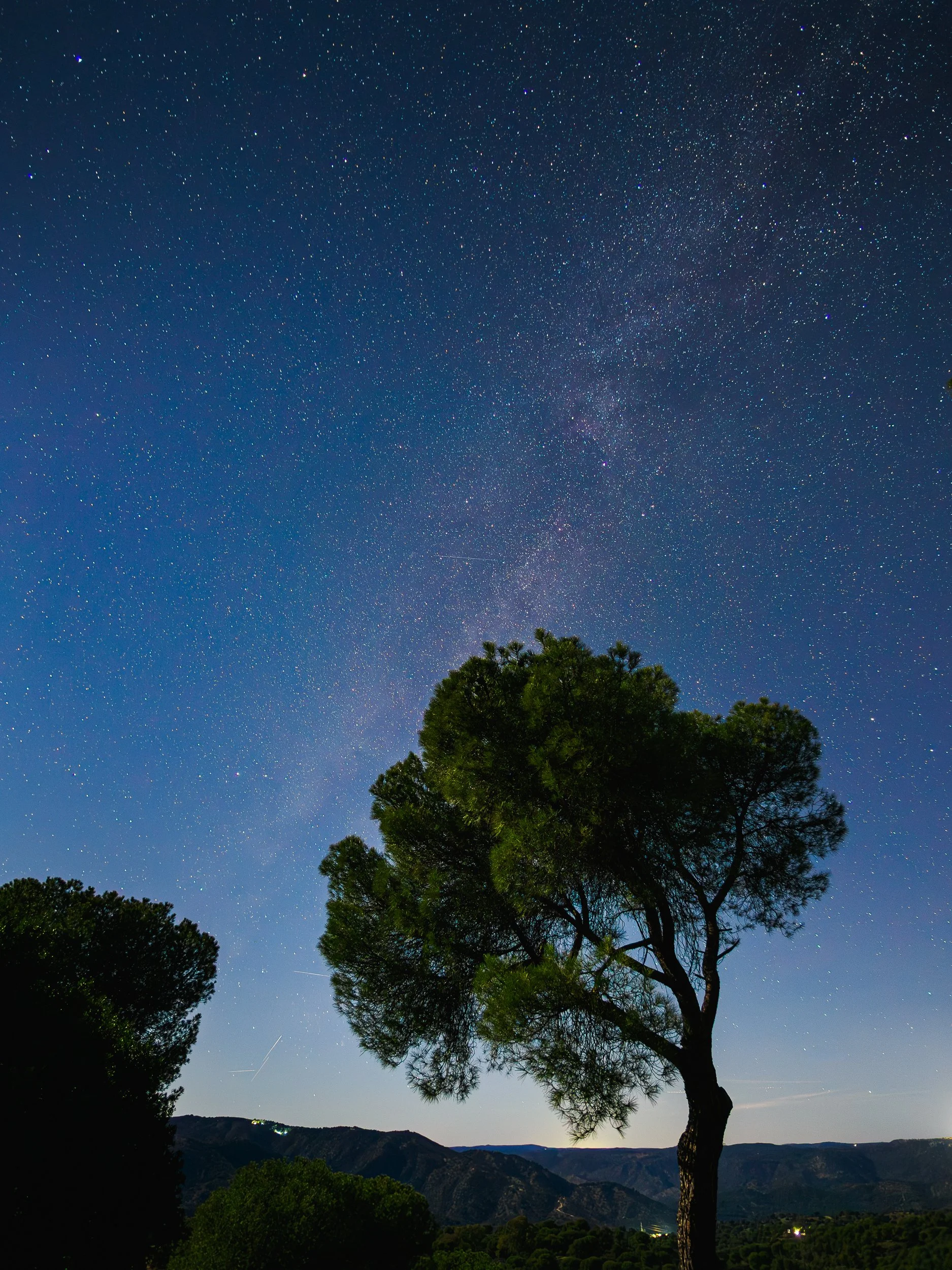
In the evening where we were with a few people wondering if we could get some night astro photography done, Espen and Alvaro did not hesitate. I found a good spot on our afternoon break and we went on the get there in the evening. Although at first I wasn’t really sure if it would work, but in the end it was an excellent spot, not far away for some last photos of the last evening. Thanks Andy for lending me the PanaLeica 9mm.
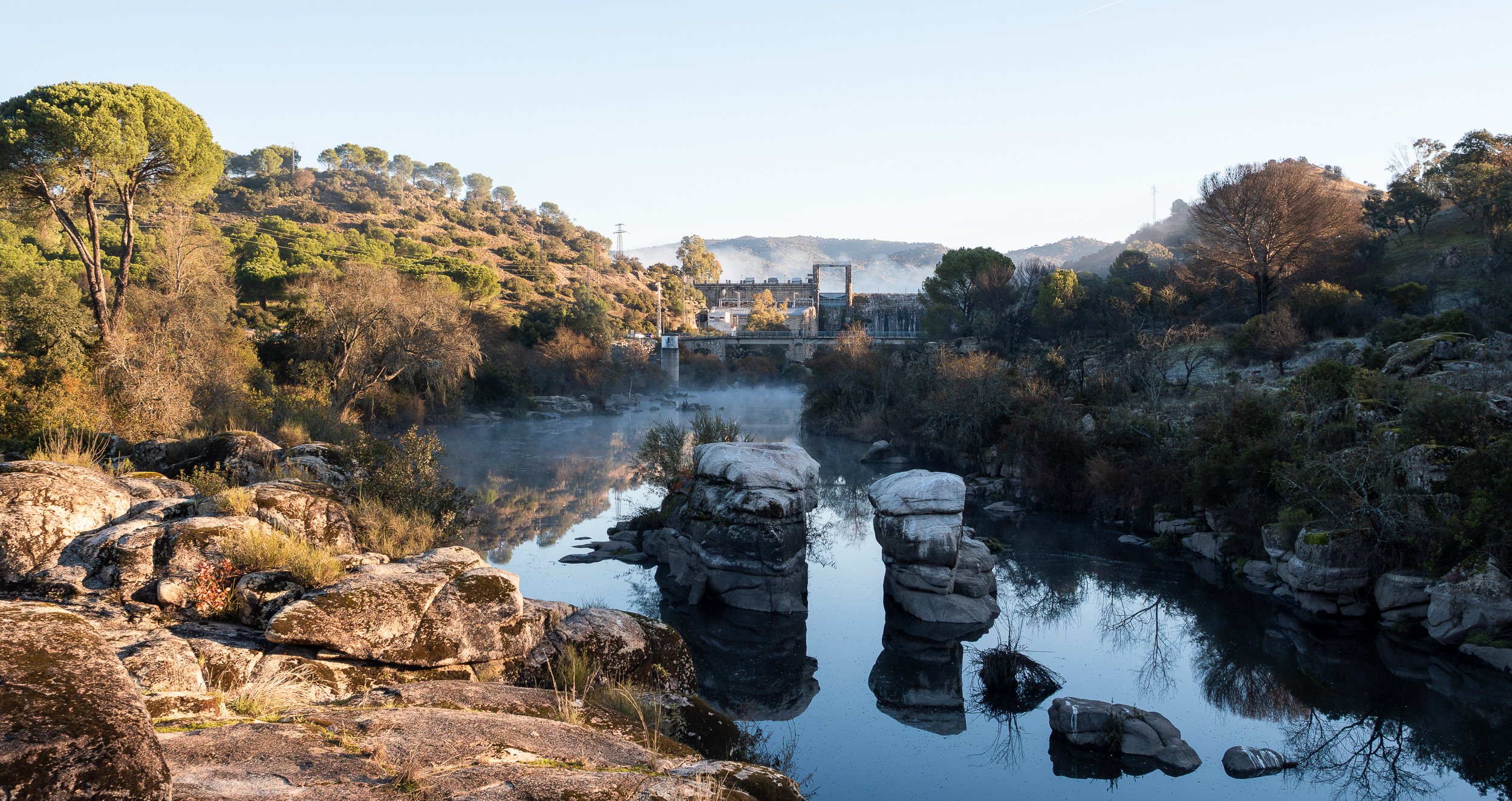
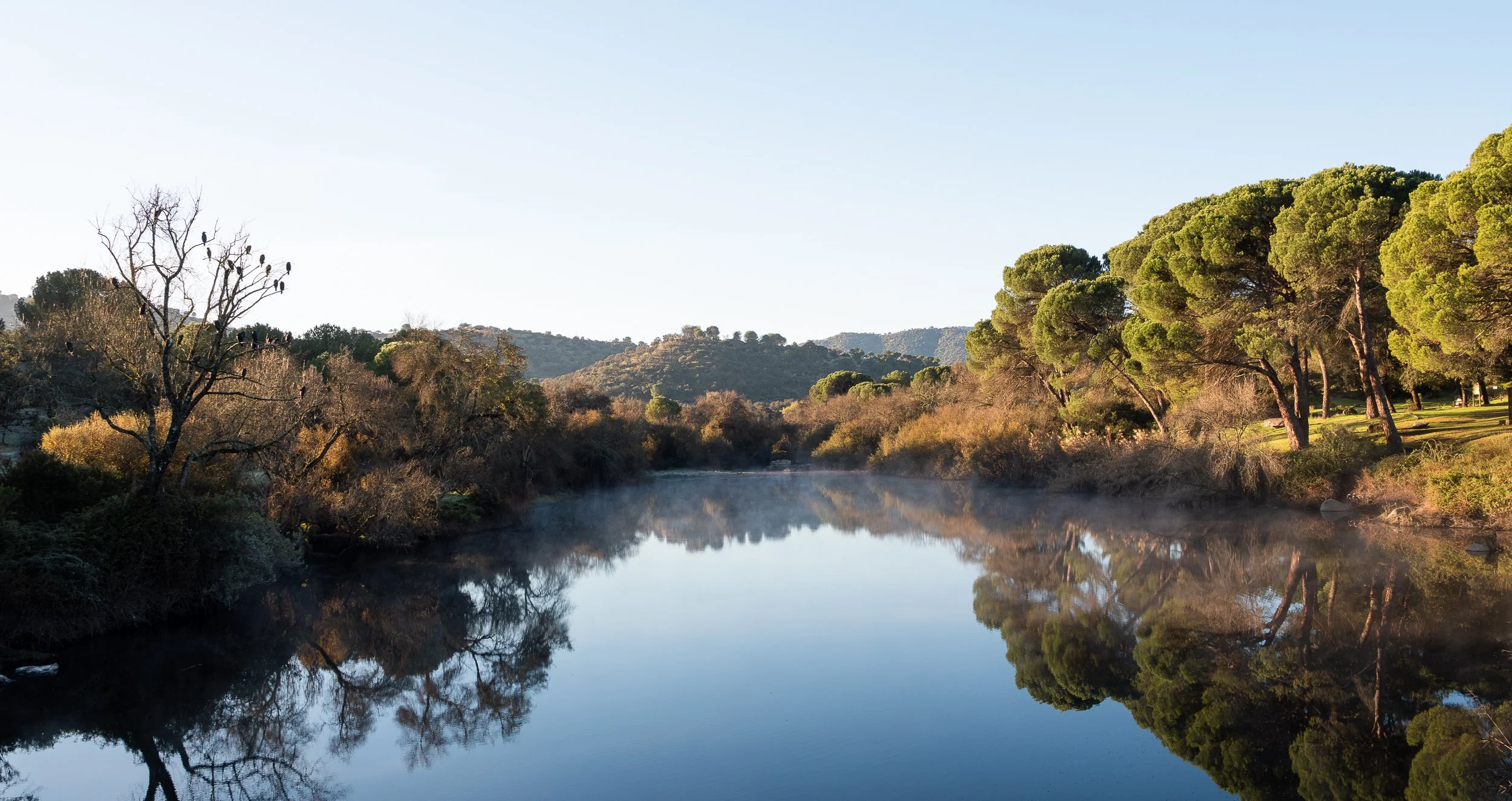
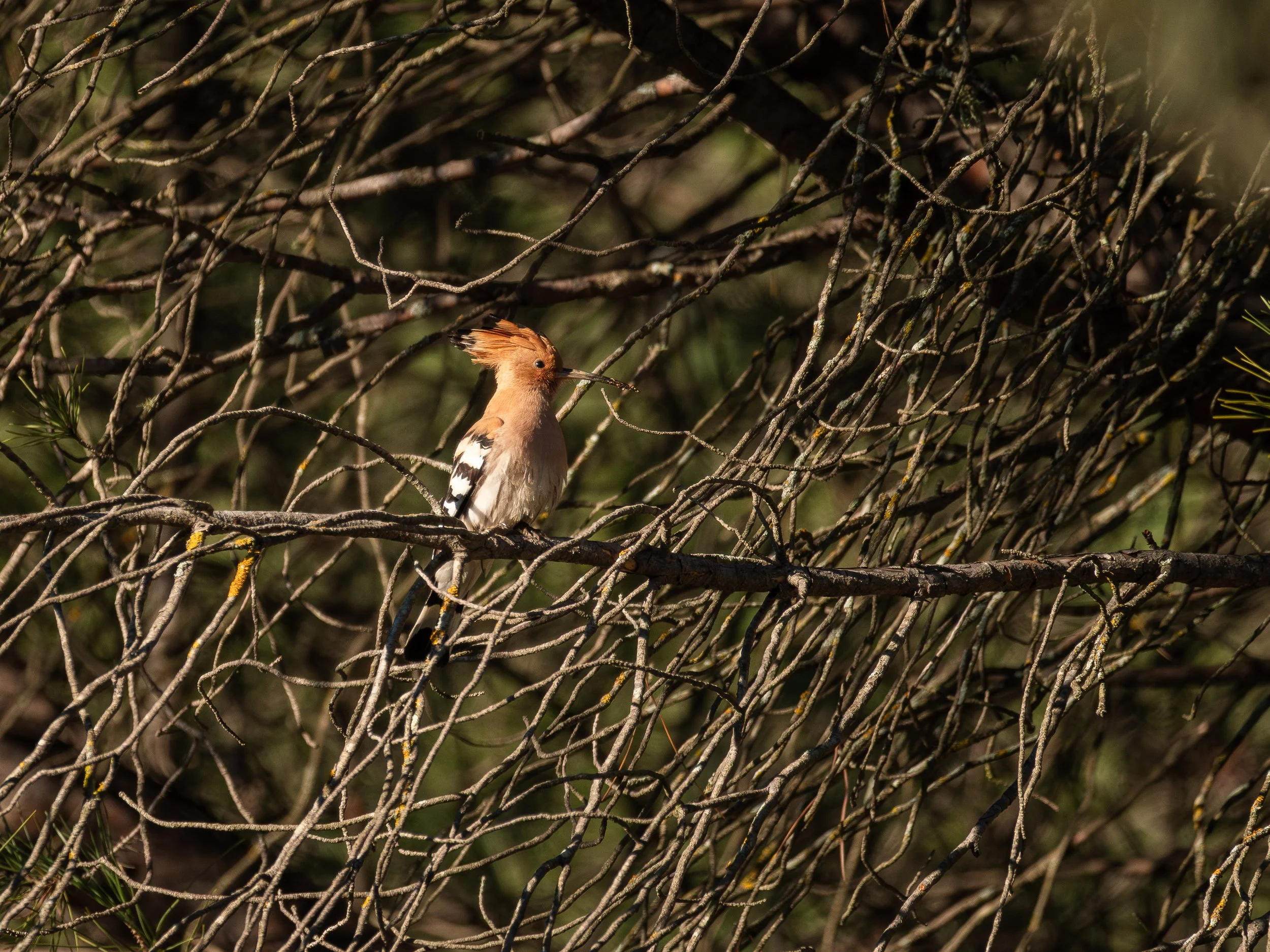
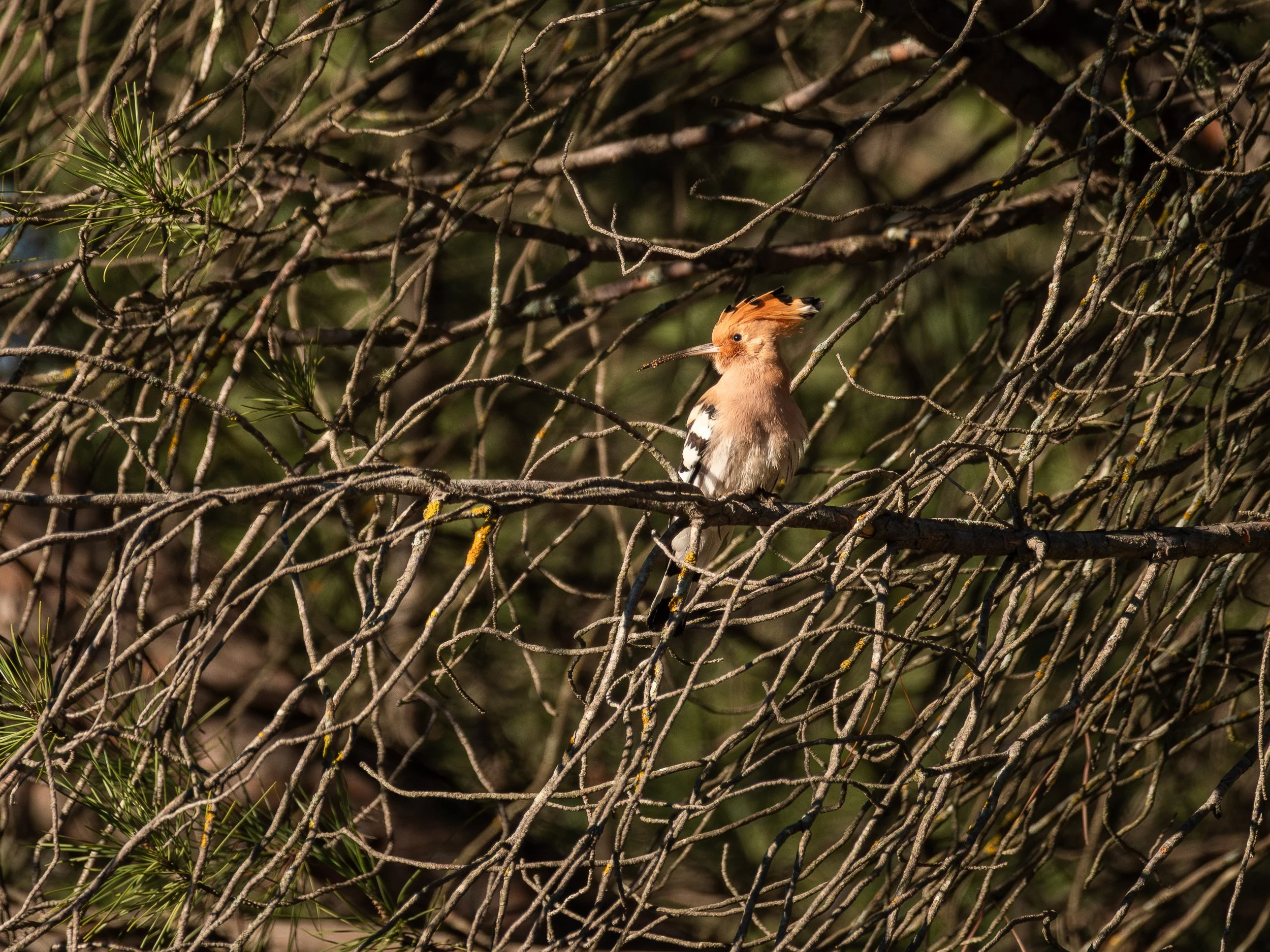
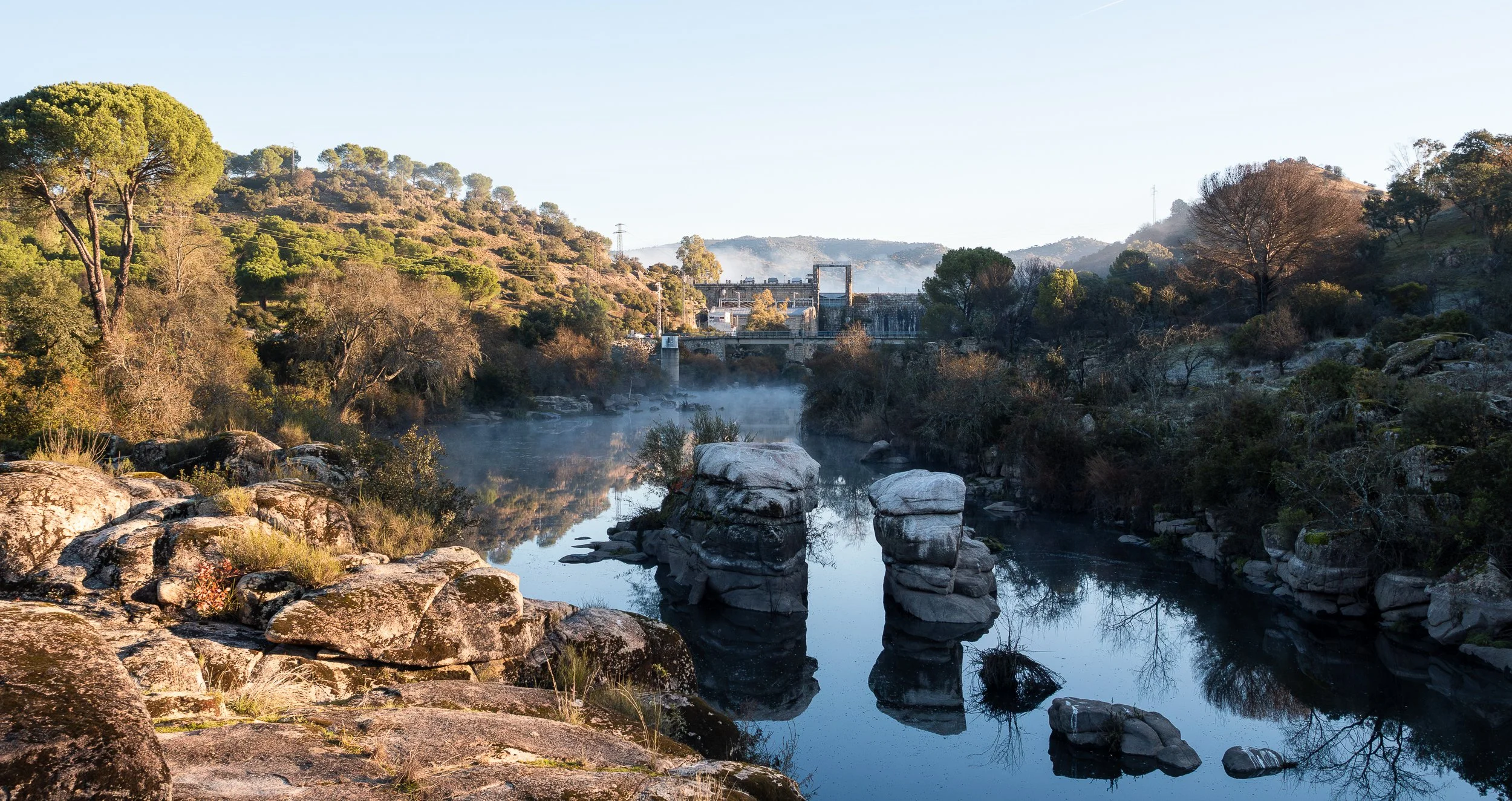
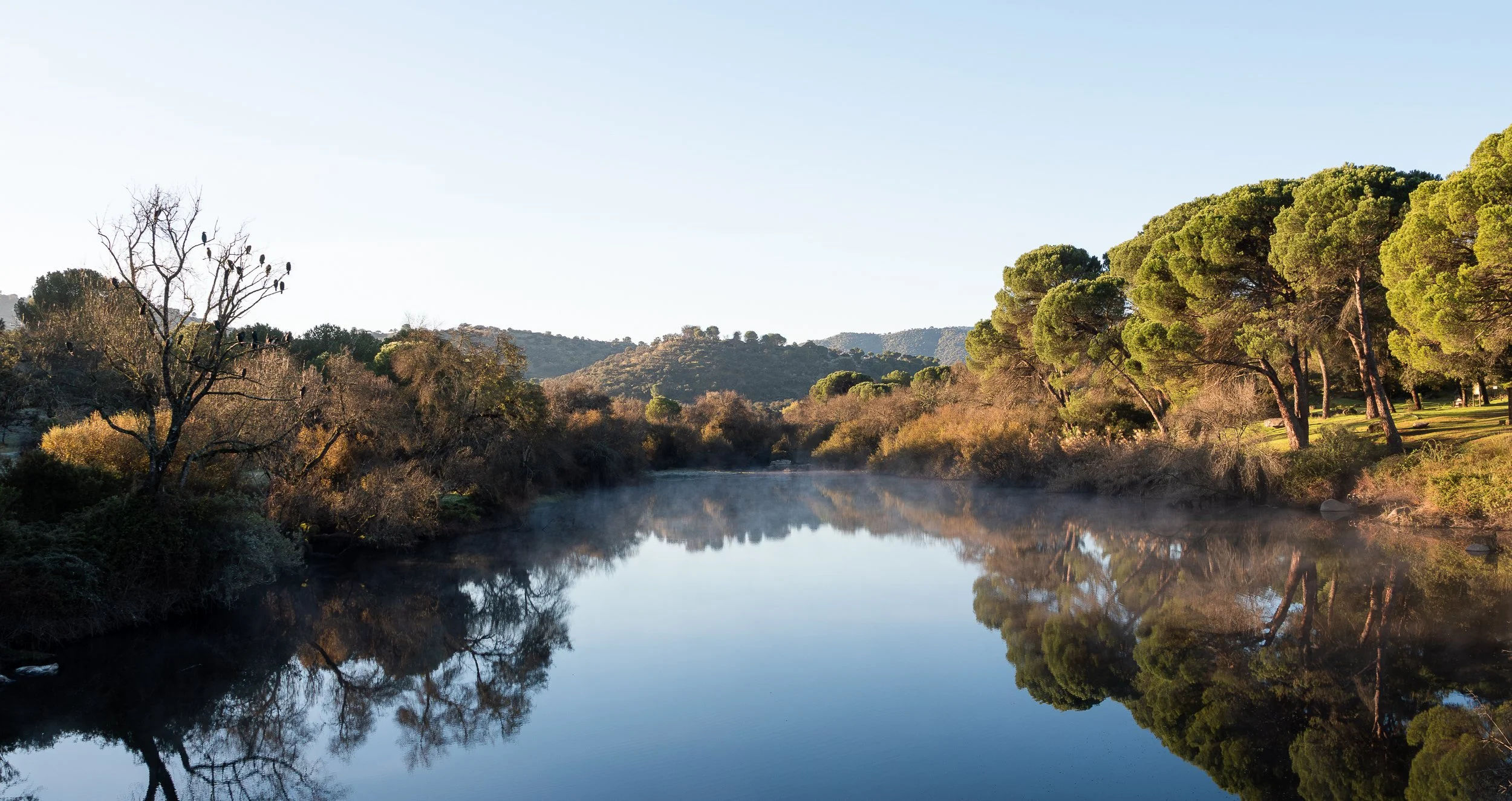
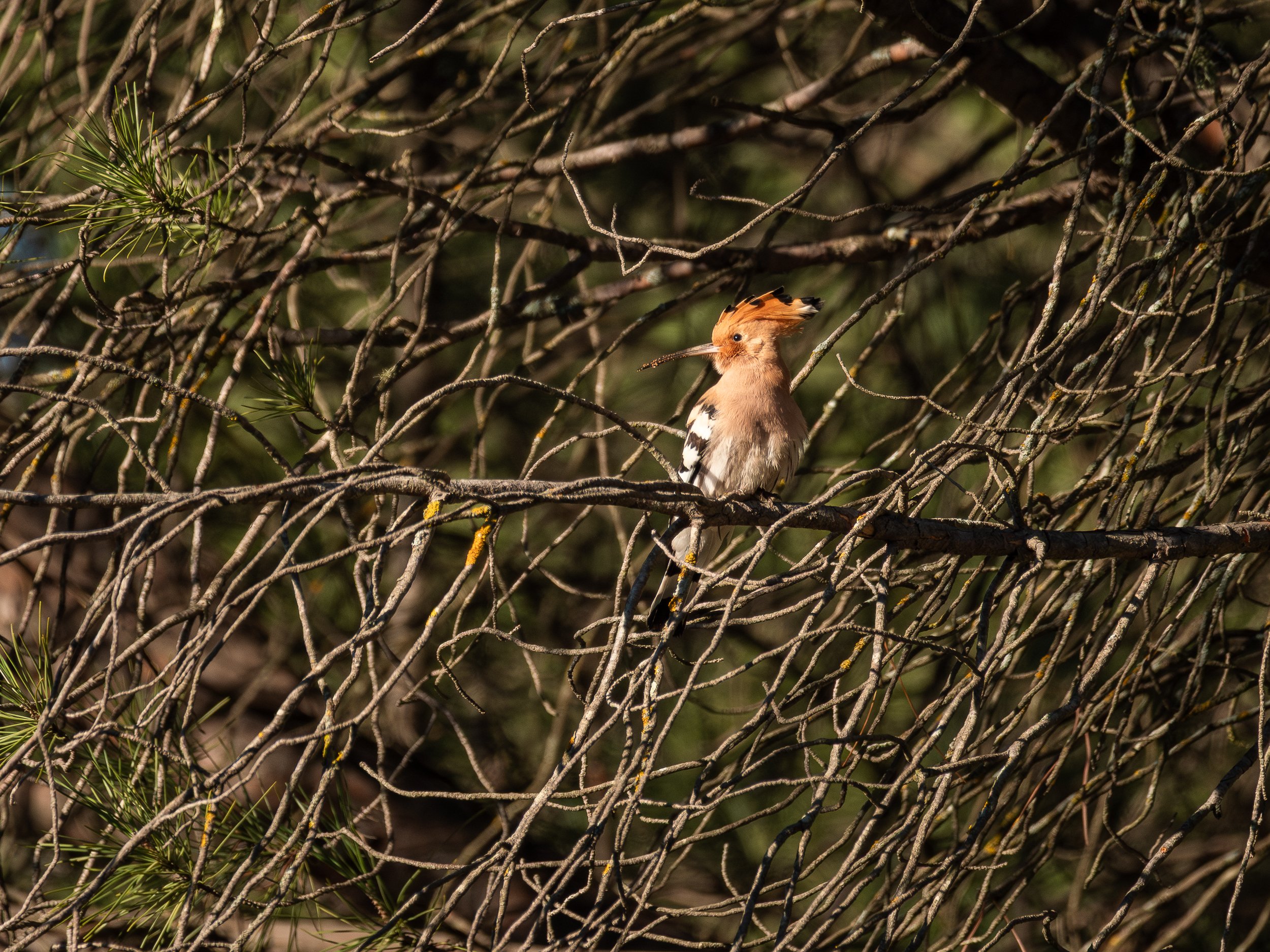
On the last morning before heading back to Malaga, we visited another nature area — part of an old water dam and power station that had been decommissioned. The area was really beautiful, starting out misty and later revealing its beauty as the sun broke through the clouds. I managed to get another bird high on my list, the Hoopoe. Unfortunately they were quite skittish, and the only good photo I managed was one of it in the trees. Still really happy to see and capture it.
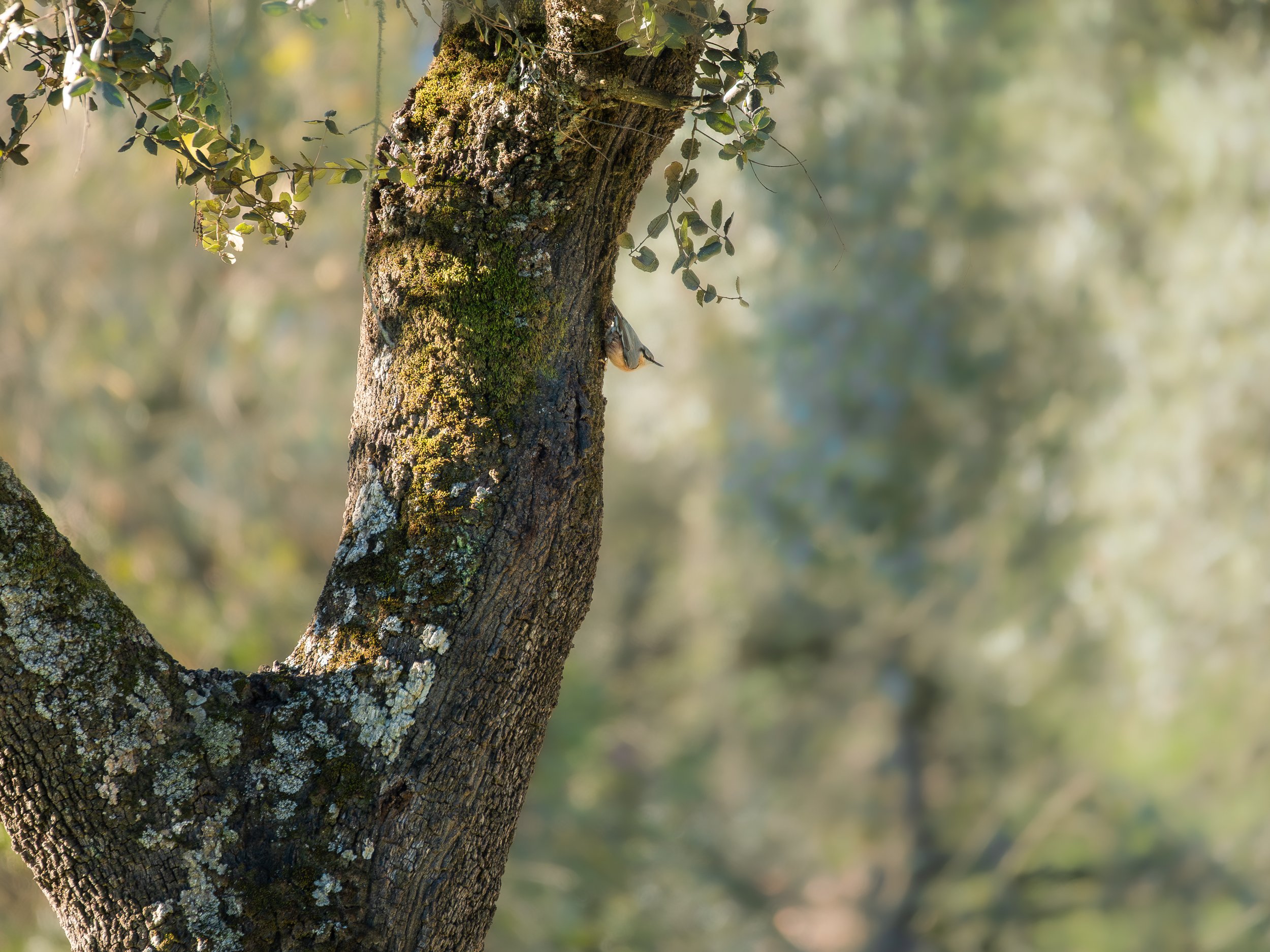
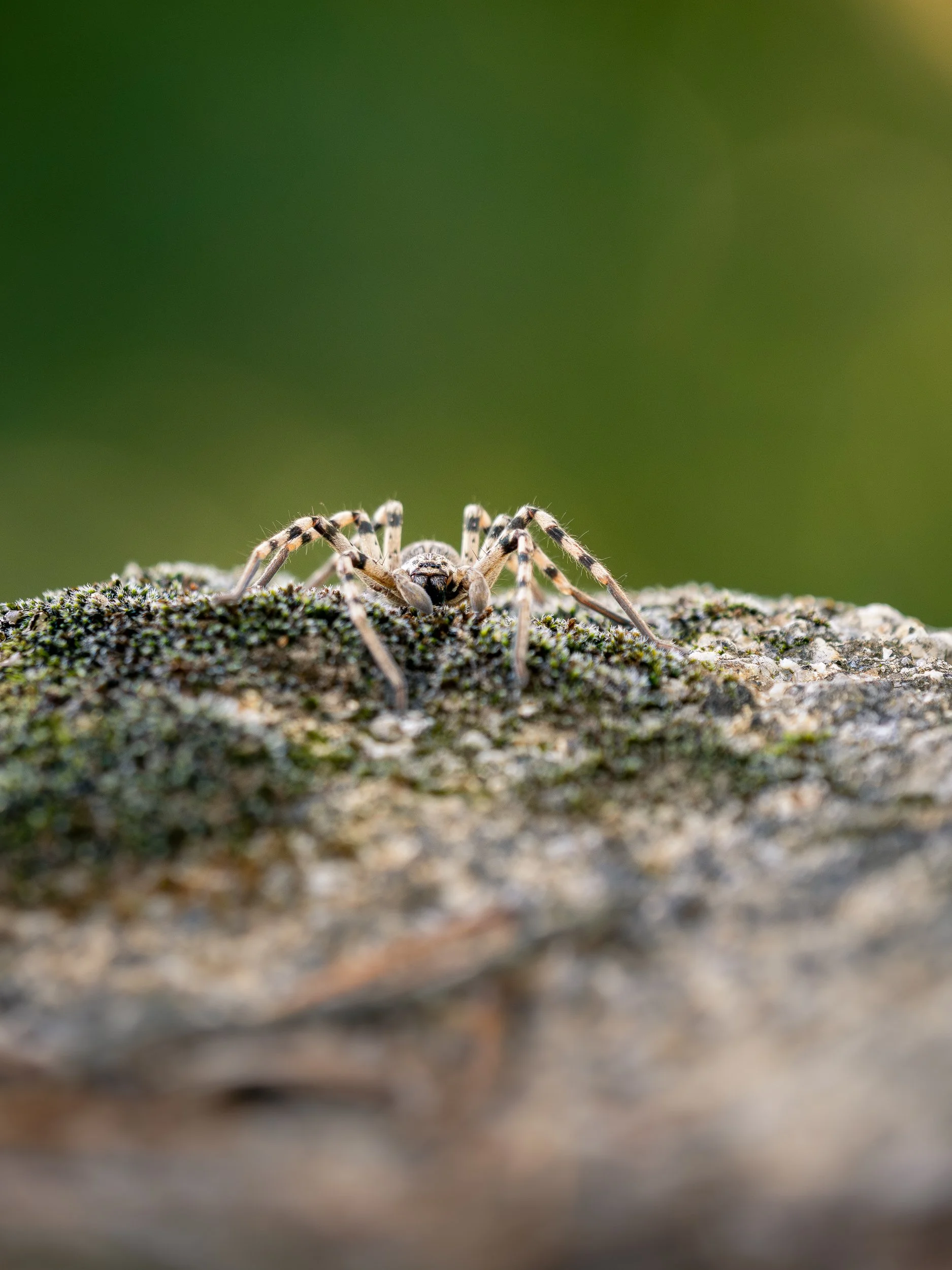
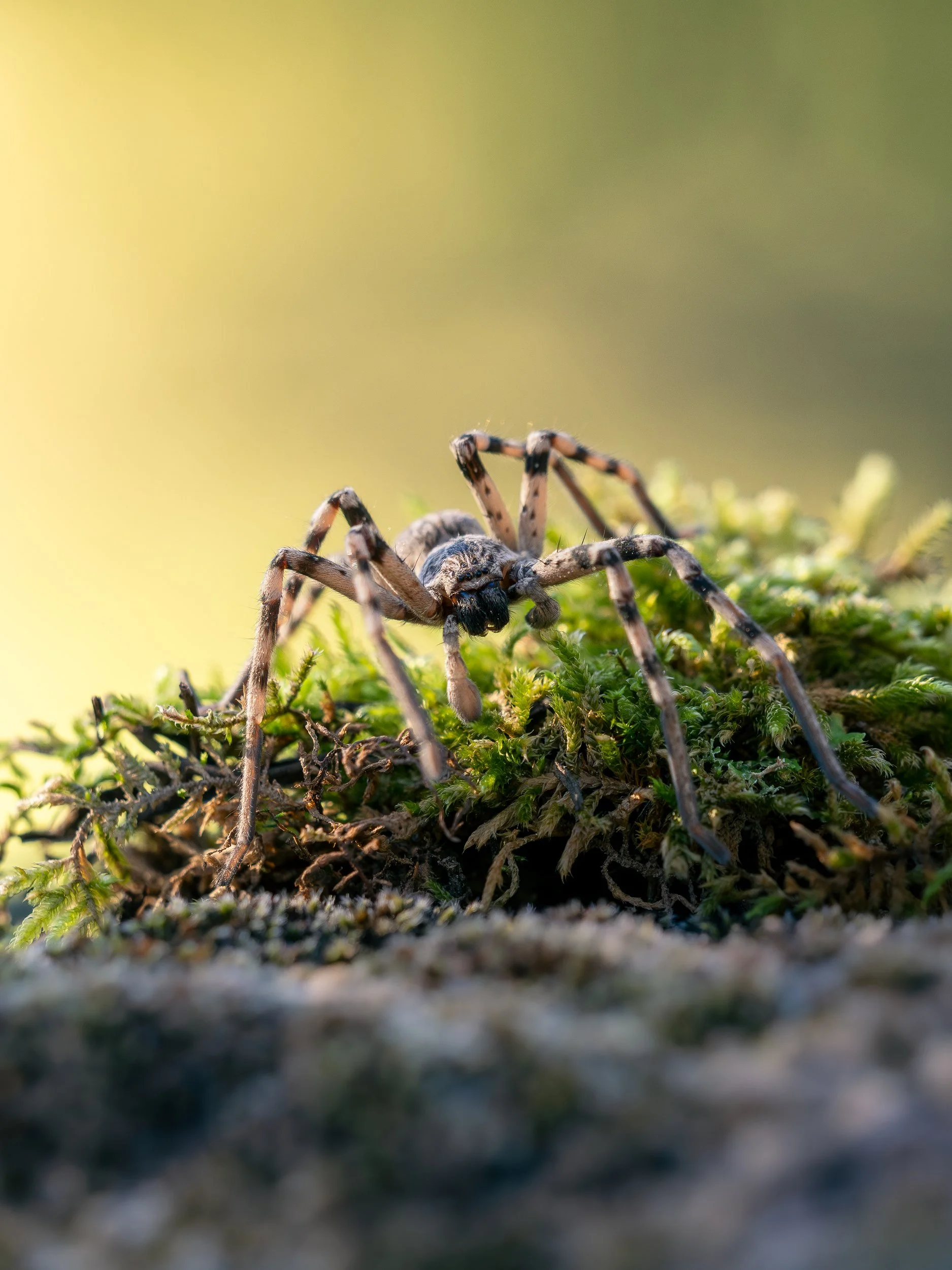
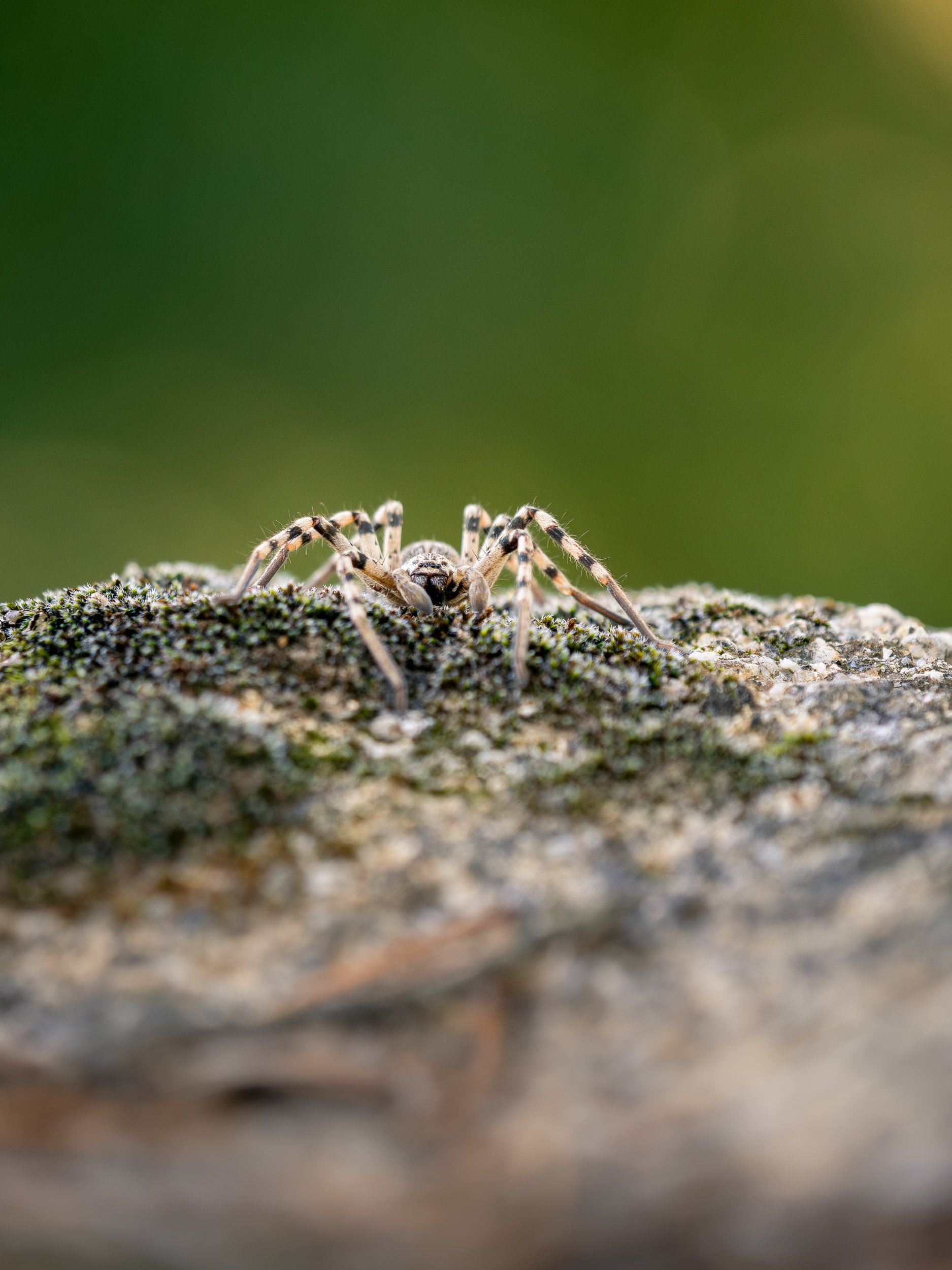
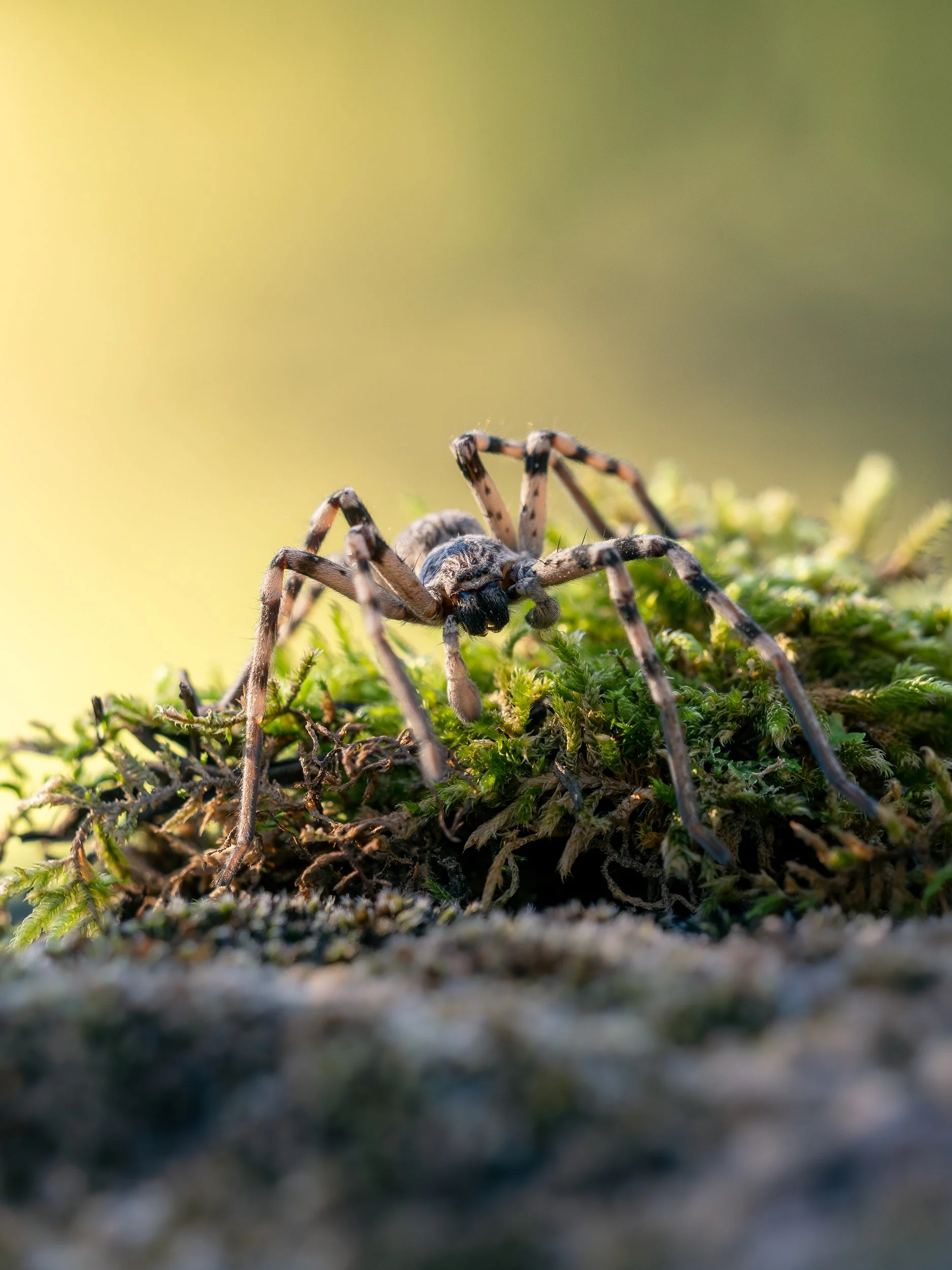
At the end of the morning, Alvaro found the spider of this title — the Wolf Spider, one of the largest spiders in Europe. The whole area was a real treat to end an awesome week.
Malaga — The departure
After Andújar we ended up back in Malaga. My flight was the next morning, and Espen and Alvaro mentioned there was a rare bird spotted at the border of Malaga, so just to kill time I hiked over there and found Espen, and later even Camouflage Andy and Laura — sorry, Andy, but that camo gear was too good!
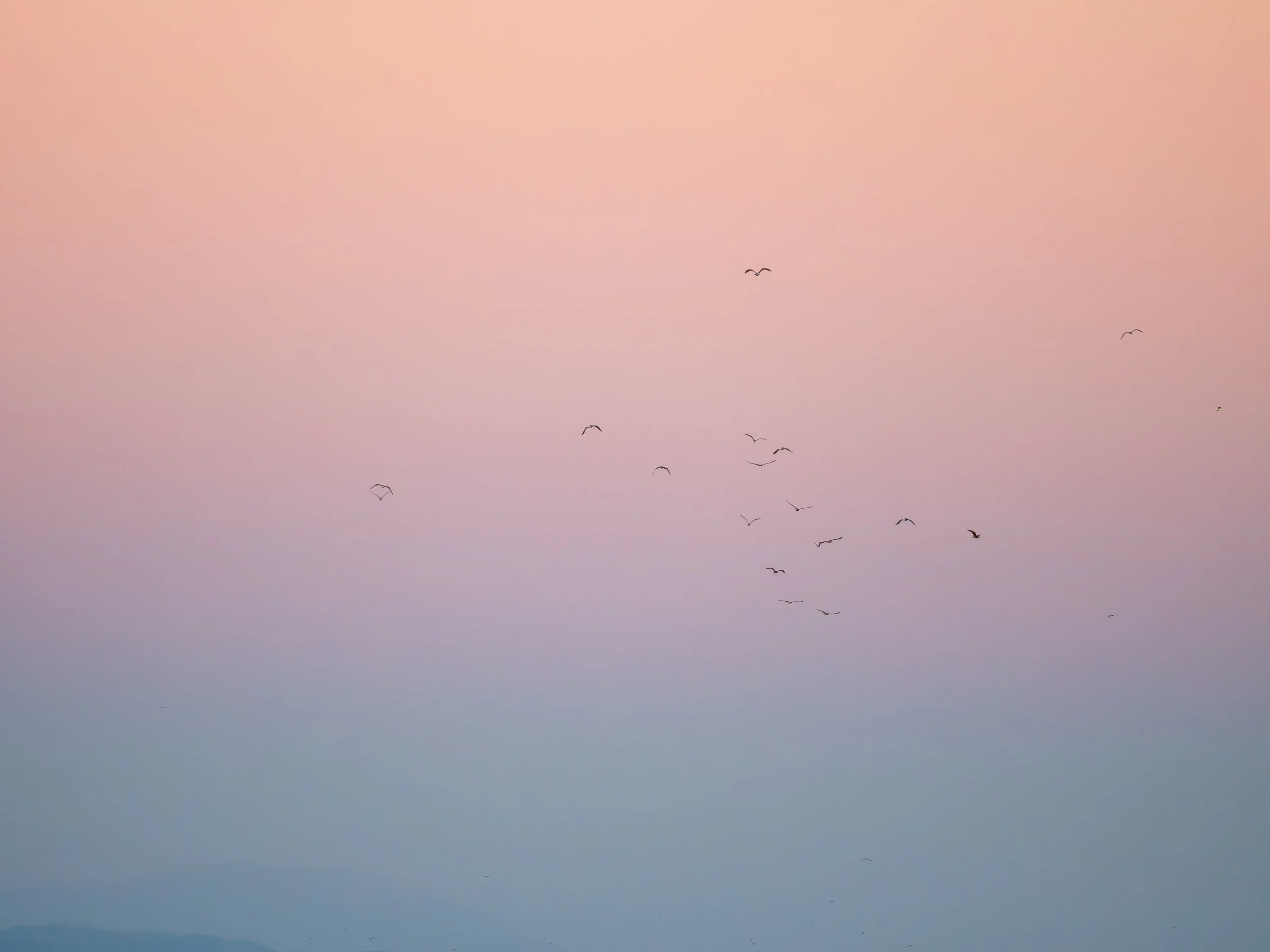
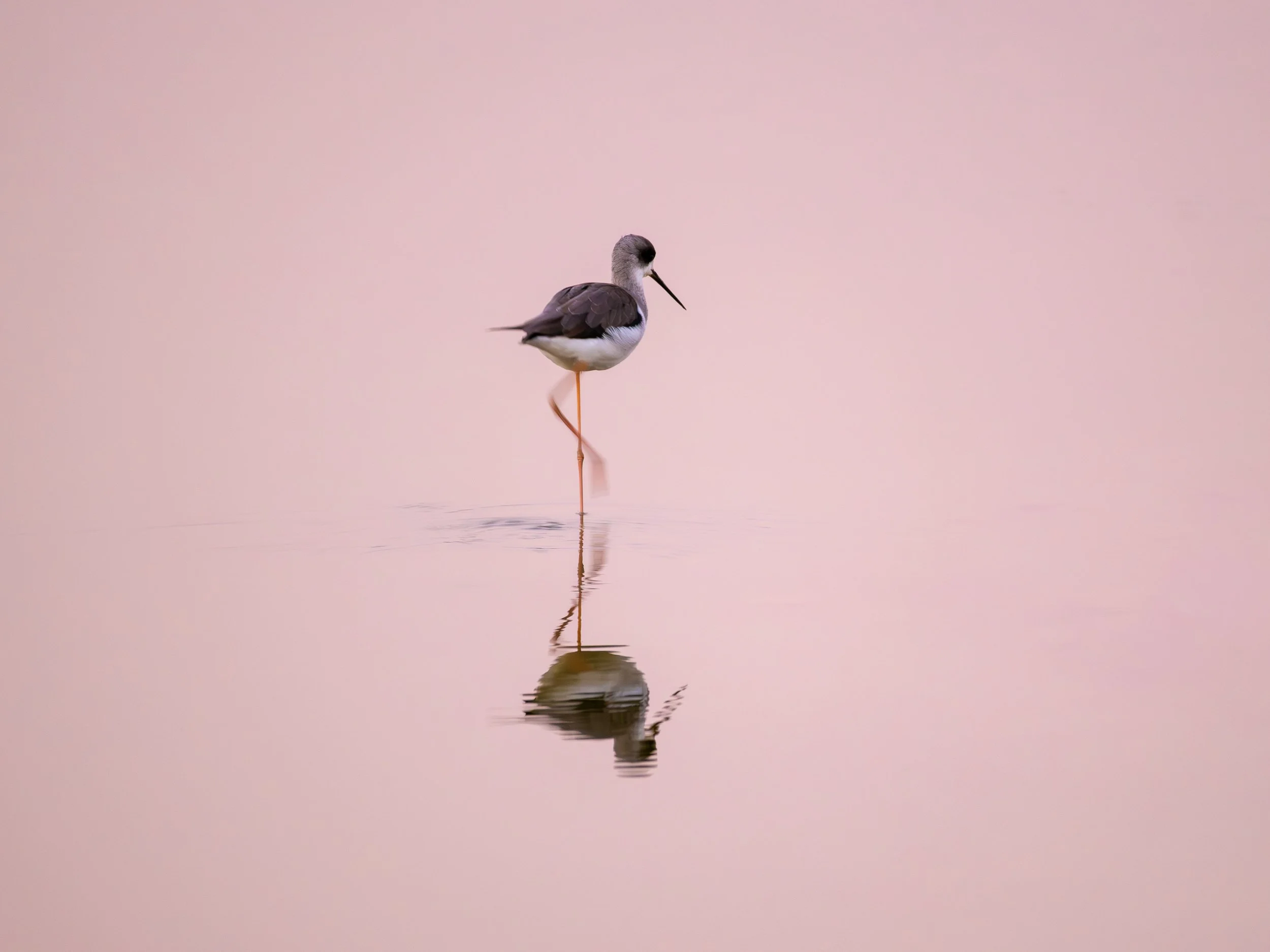
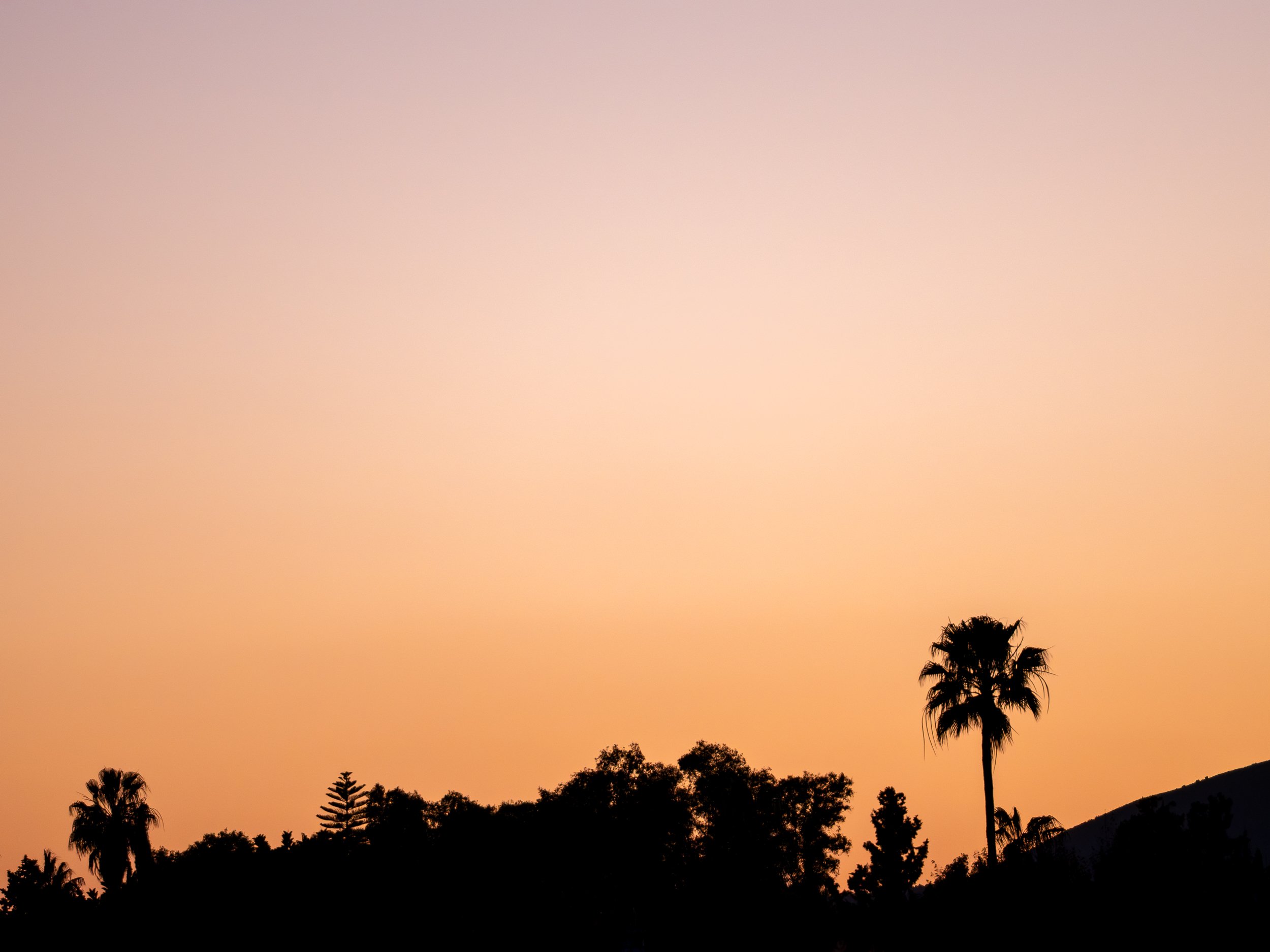
Thanks again to the group for the vibes and the adventures! And thanks to Espen and Alvaro for a week to remember.
All photos shot with the OM-1, 12-40mm f/2.8 Pro, 40-150mm f/2.8 Pro, and the 150-400mm f/4.5 Pro lens. Click to view larger in a lightbox and navigate with the mouse or arrow keys. Enjoy!